
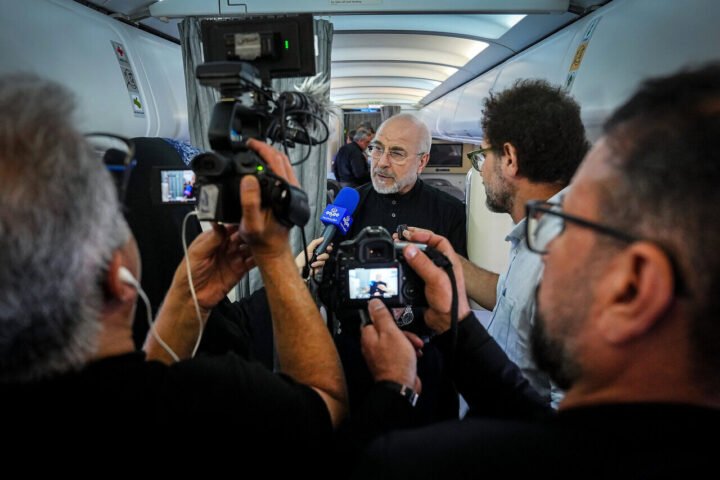
Strikes and blockade restart
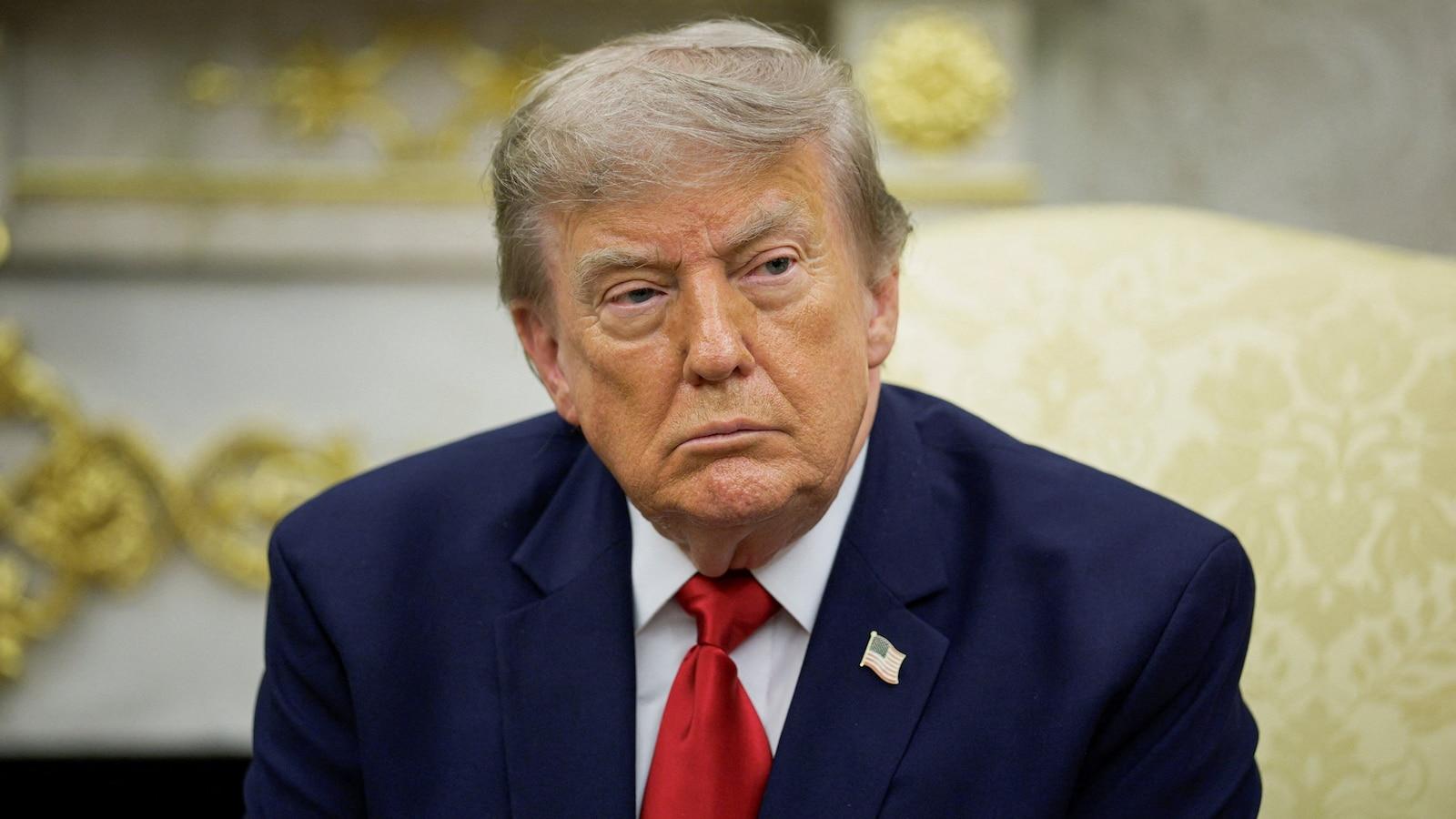
CNN reported that President Donald Trump warned the U.S. would strike Iranian bridges and power plants “next week” unless Tehran returned to the negotiating table, while the Guardian said Trump told Fox News that next week would be “really bad for them” because “next week comes the power plants. Next week comes the bridges.”
 ABC News
Iranian state media reported explosions in Bandar Abbas and locations near Sirik, and CNN said Iran targeted U.S. allies in the region including Kuwait.
In the same reporting, CNN cited Iranian Foreign Ministry spokesperson Esmaeil Baghaei saying a U.S. strike in southern Iran killed three members of a park ranger’s family in the village of Seyyed Jowzar in Hajjiabad county, Hormozgan province.
The U.S. Central Command said the strikes were intended to “continue degrading Iranian capabilities used to attack commercial shipping in the Strait of Hormuz,” as the blockade went into effect at 4 p.m. ET.
Sanctions, warnings, and politics
Alongside the military escalation, the Trump administration imposed sanctions on “more than 50 individuals, entities, and vessels” tied to the Shamkhani network, with Treasury Secretary Scott Bessent saying, “Treasury is shutting down the financial infrastructure that allows the regime to continue its threats to U.S. national security and global shipping.”
ABC News said the blockade on Iranian shipping action targeted at least eight oil tankers linked to Iranian oil businesses, while the Treasury Department’s action also targeted individuals and firms supporting financial services used to evade sanctions.
 AP News
In Washington, Senate minority leader Chuck Schumer said Democrats will “not go along” with Donald Trump’s continuing hostilities with Iran, warning that Trump was “dragging America deeper into a war in Iran with no authorization, no plan, and no exit strategy.”
Trump told Fox News that Iran has “no choice” but to make a deal, saying “They want to make a deal, but every time they make a deal, they break it,” and he warned, “You better make a deal. You’re not going to have anybody left.”
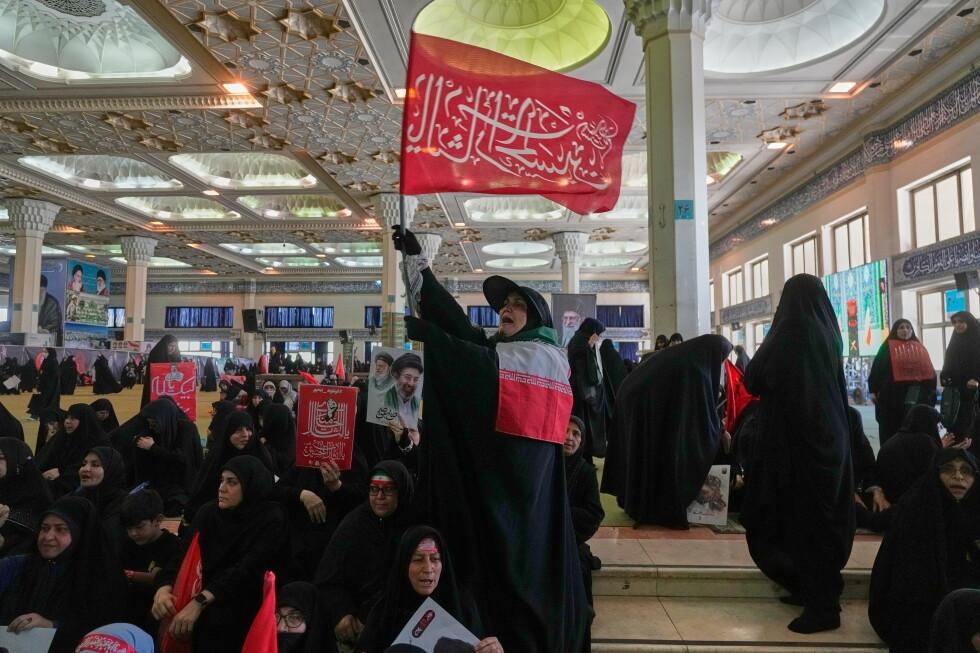
The Guardian also reported that Iran’s deputy foreign minister Kazem Gharibabadi said the Strait of Hormuz is part of Iran’s national security and that Iran would exercise sovereignty “what ever that costs.”
What comes next
CNN said Trump’s administration froze more than $130 million in cryptocurrency it says is linked to Iran, and it described the freeze as part of a broader effort to ratchet up pressure after the memorandum of understanding meant to end the war collapsed.
The Guardian reported that the U.S. expected American companies to play a role in reconstructing a crude oil pipeline between Iraq and Syria, and it said the revitalized pipeline would run from Iraqi oilfields near Kirkuk to Syria’s western coast.
In the region, NPR said the U.S. resumed the naval blockade at 4 p.m. ET and that there were “currently more than 20 U.S. Navy warships and hundreds of military aircraft operating across the Middle East,” while Iran retaliated by striking U.S. allies in the region.
NPR also reported that the U.S. issued a license allowing companies a temporary window to disentangle business involving sanctioned shipping companies and vessels tied to Iran, as the blockade and sanctions tightened pressure on the parties’ ability to reach a final deal.