

Credit rating agency Moody’s has lowered the growth forecast for Israel’s economy, citing concerns over heightened defense spending amid geopolitical risks, while cautioning about a weakening of the country’s institutions.
“Although the Israeli economy has demonstrated its resilience to geopolitical shocks in recent years, the fragile security environment continues to pose risks to the economic and fiscal outlook,” Moody’s cautioned in a report released late on Tuesday.
Moody’s maintained Israel’s medium-grade Baa1 credit rating alongside its stable outlook, but cut the country’s growth outlook for the economy for this year to 3.7%, down from a previous 5%. The forecast is lower than the Bank of Israel’s prediction, which sees the economy growing by 4% in 2026, following 2.9% last year.
“While ceasefire and peace arrangements have been signed across several fronts, episodes of renewed hostilities underscore their fragile and tenuous nature, and we continue to assume that implementation will remain incomplete and that periodic violations and flare-ups are likely, keeping geopolitical risk as the principal constraint on Israel’s sovereign credit profile,” Moody’s said.
“Downward pressure on the rating would likely build if geopolitical tensions increased again in a way that pointed to a lasting significant negative impact on the economy or the government’s finances,” the credit rating agency warned.
Sign up for the Tech Israel Daily
and never miss Israel’s top tech stories
By signing up, you agree to the terms
Earlier this year, Moody’s upgraded Israel’s credit outlook from negative to stable, amid expectations for a “strong post-war rebound,” assuming that geopolitical risks subsided with ceasefires holding in Lebanon and Gaza.
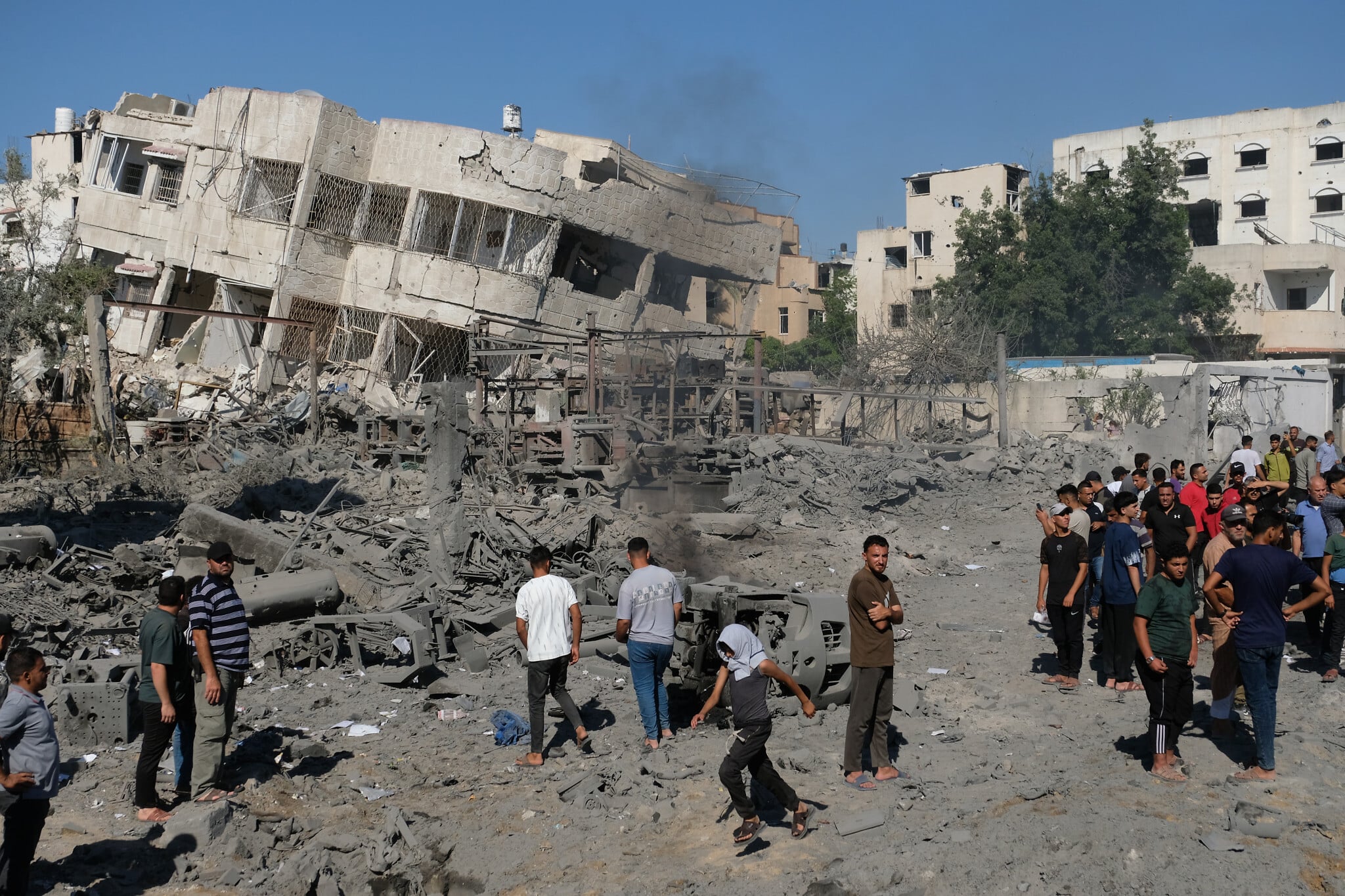
Palestinians gather around the site of an Israeli drone strike in Gaza City’s Sabra neighborhood, July 12, 2026 (AP Photo/Jehad Alshrafi)
Looking ahead, Moody’s expects the pace of economic growth to pick up to 5% in 2027, “if ceasefires with Iran, Hezbollah and Hamas ultimately hold.”
Moody’s said in its report that Israel’s current rating reflects the “country’s dynamic economy, high wealth levels, solid external position and the government’s continued strong market access.”
“However, public finances remain under pressure from structurally higher defense and national security spending which we project at around 6% of GDP per year,” Moody’s said.
In addition, the credit rating agency assessed that “institutions remain strong but have weakened in recent years amid heightened political polarization and tensions between key state institutions.”
In the latest sign of this trend, on Wednesday the Knesset began debating legislation to significantly weaken the power of the attorney general — one of Israel’s few checks on executive power — ahead of a final vote.
The legislation would effectively strip the attorney general of authority over the government by allowing ministers to disregard the currently binding legal opinions and decide for themselves whether their actions are lawful.
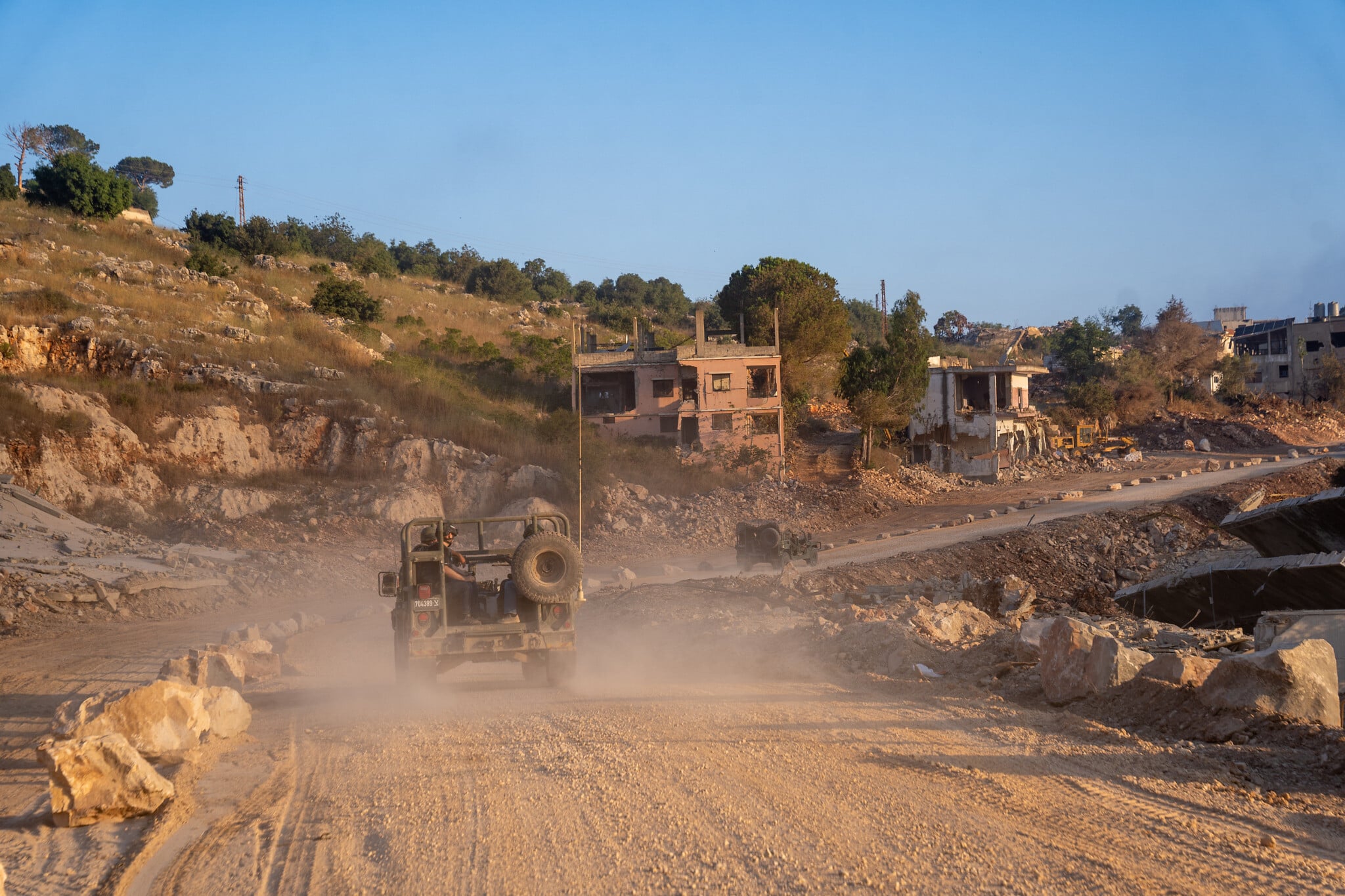
An IDF Humvee drives in southern Lebanon, July 7, 2026. (Emanuel Fabian/Times of Israel)
The bill represents the latest stage of Prime Minister Benjamin Netanyahu’s government’s campaign to weaken the judiciary, which began shortly after the government assumed power in 2022.
Moody’s warned that a weakening of Israel’s institutions could be a factor in a potential downgrade of the country’s credit rating. A lower rating raises credit costs for the government, businesses and households.
“A weakening of Israel’s economic and fiscal prospects for reasons not directly related to geopolitical risk could also drive negative pressure on the rating,” Moody’s said. “Downward pressure on the rating could also build as a result of a weakening of Israel’s institutions, in particular if the judiciary proved to be weaker than what we have assessed so far, potentially as a result of institutional reforms.”
Back in September 2024, Moody’s cut the country’s credit score by two levels from A2 to Baa1, citing the “diminished quality of Israel’s institutions and governance” in their ability to manage state finances, and increased spending needs during the war with the Hamas terror group.
Times of Israel staff contributed to this report.
We can’t do this work alone.

The war with Iran has been draining for all of us in Israel. But when I heard about a high casualty incident – ballistic missile impacts in Arad and Dimona that left nearly 200 people wounded – I drank a cup of coffee, packed a bag, and headed south.
There, I spoke with Shilgit, the head of an after-school program for underprivileged youth. Standing outside her destroyed center, Shilgit said it was a miracle that no children were hurt and spoke about the community coming together in the hours since.
As a Times of Israel reporter, I’m committed to telling stories of resilience like Shilgit’s. But my colleagues and I can’t do this alone. If you value work like this, please consider joining our reader support group, The Times of Israel Community. Your financial support is essential to keep real human reporting like this going.
— Stav Levaton, military reporter
Already a member? Sign in to stop seeing this
You’re a dedicated reader

That’s why we started the Times of Israel – to provide discerning readers like you with must-read coverage of Israel and the Jewish world.
So now we have a request. Unlike other news outlets, we haven’t put up a paywall. But as the journalism we do is costly, we invite readers for whom The Times of Israel has become important to help support our work by joining The Times of Israel Community.
For as little as $6 a month you can help support our quality journalism while enjoying The Times of Israel AD-FREE, as well as accessing exclusive content available only to Times of Israel Community members.
Thank you,
David Horovitz, Founding Editor of The Times of Israel