
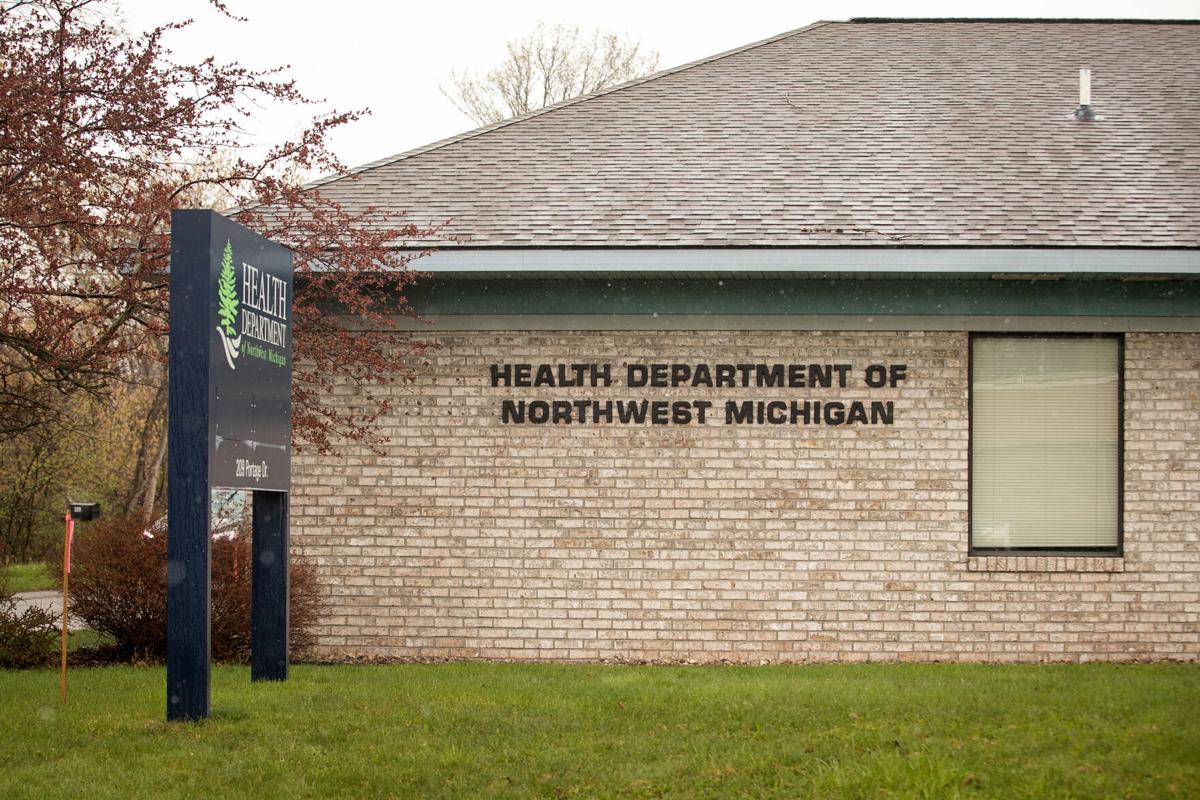
The Health Department of Northwest Michigan is urging residents to take precautions as wildfire smoke continues to affect air quality in the region. This comes as the Michigan Department of Environment, Great Lakes and Energy issued a state-wide Air Quality Advisory for yesterday and today due to elevated fine particulate matter from the smoke.
The advisory, issued by the EGLE, specifically addresses elevated levels of fine particulate matter, known as PM 2.5, caused by wildfire smoke.
“Wildfire smoke can affect air quality even when the fires are hundreds of miles away and that is what we are experiencing now,” Health Department Medical Director Dr. Josh Meyerson said. “When smoke levels are elevated, limiting time outdoors and keeping indoor air as clean as possible can help reduce health risks. It is important to monitor local air quality conditions and take appropriate precautions, particularly if you have asthma, heart disease, or other chronic health conditions.”
The U.S. Environmental Protection Agency’s (EPA) Air Quality Index (AQI) serves as a tool to measure outdoor air quality and its potential health effects. AQI values are organized into color-coded categories that denote different levels of health concern.
The AQI for PM 2.5 categorizes air quality from Moderate to Hazardous. Moderate levels (51–100) are generally acceptable, though unusually sensitive people may experience symptoms. For “Unhealthy for Sensitive Groups” (101–150), individuals with asthma, heart disease, lung disease, older adults, children and pregnant individuals should limit prolonged or strenuous outdoor activity. When the air quality is “Unhealthy” (151–200), everyone should reduce prolonged or strenuous outdoor activities and sensitive groups should avoid outdoor exertion. A “Very Unhealthy” rating (201–300) advises everyone to avoid outdoor activity whenever possible, with sensitive groups remaining indoors. At a “Hazardous” level (301–500), everyone should stay indoors with windows and doors closed and avoid physical activity outdoors.
Residents can monitor current air quality conditions by visiting the MIAir Quality Index Dashboard or AirNow Michigan.
To reduce smoke exposure, the EPA recommends several steps. These include avoiding strenuous activity while outdoors, keeping doors and windows closed and using fans and air conditioning if available to stay cool. If using an HVAC system, residents should set it to recirculate mode or close the outdoor intake damper.
For window air conditioners, ensure the seal between the unit and window is as tight as possible. The EPA also suggests using a portable HEPA air cleaner or a home HVAC filter rated MERV-13 or higher when possible and considering an N95 mask if outdoor time is unavoidable when air quality is unhealthy. Once air quality improves, homes should be ventilated by opening windows or using the fresh air intake on HVAC systems and running exhaust fans in kitchens and bathrooms.
Wildfire smoke can irritate the eyes, nose, throat and lungs. Residents should watch for symptoms such as wheezing, coughing, shortness of breath, chest tightness, dizziness or burning in the nose, throat and eyes.
Individuals with asthma, COPD, heart disease or other chronic health conditions should adhere to their health care provider’s treatment plan and seek medical care if symptoms worsen or become severe.
HDNW is offering free N95 masks to community members who want one, available while supplies last. These masks can be picked up at all HDNW clinic locations.
The Health Department of Northwest Michigan will continue to monitor air quality conditions and provide updates as needed. Free N95 masks are available at all HDNW clinic locations while supplies last.