
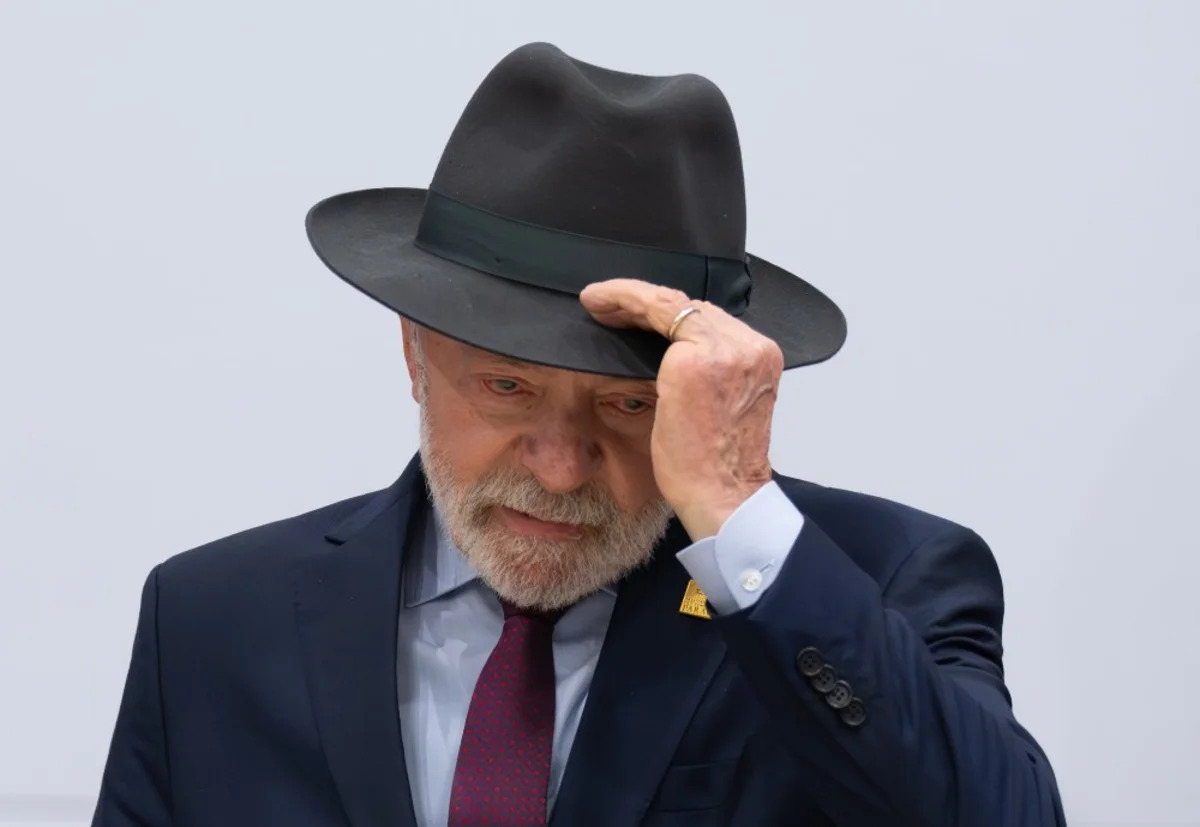
In the wake of oppressively weighty new tariffs levied by the Trump administration this week, Brazil’s finance minister indicated the country’s government practicing restraint rather than retaliating.
Dario Durigan said Friday that the country wasn’t considering an in-kind escalation in duties, and will opt instead to strategically assess the situation before responding with its own trade measures. The United States Trade Representative hit Brazil with 25 percent duties in response to a year-long investigation into actions it said restrict U.S. commerce, including regulating American technology firms.
More from WWD
“There are no grounds for talking about retaliation against the United States over the tariffs. What we are discussing is evaluating reciprocal measures,” Durigan told reporters, according to Reuters.
The Brazilian government plans to take into account the effects on impacted industries and the potential economic ramifications before publicizing plans to address the tariffs. Durigan said the government plans to “ensure compliance with our fiscal targets and deliver a solid macroeconomic outcome for the country as a whole, while recognizing that some specific sectors require attention.”
The statement is an about-face from the moments following the USTR announcement, when Brazilian President Luiz Inácio Lula da Silva’s office said it was taking steps to impose reciprocal duties on the U.S.
Lula’s office denied Brazil’s engagement in any unfair trade measures that would stunt U.S. business, noting that tariffed American imports face a duty rate of just 3.1 percent—and the vast majority (76 percent) enter the country duty free.
Entering into force on Wednesday, the U.S. tariffs on Brazilian imports will affect about 3,000 products, with certain food and machinery items exempted. The tariffs will hit a little under one-fifth of the country’s exports to the U.S. worth around $7.4 billion.
Products like apparel and footwear are not exempt, and will face the new 25 percent tariffs along with most favored nation rates. Footwear is a key fashion export for Brazil, and the U.S. imported 5.6 million pairs of shoes worth $82.25 million from the country’s producers during the first six months of 2026.
In addition to retaliatory duties, Lula’s office said Brazil would consider non-tariff countermeasures and would consult the World Trade Organization’s dispute settlement mechanism.