
Insiders are selling
The people who know are selling stock. Bloomberg reported on Friday: US executives are selling shares at the second-fastest pace in more than 20 years, a classic red flag to some investors because it suggests people with the most corporate knowledge are wary about markets.
The report added: Corporate insiders sold $77.6 billion of stock during the first half of 2026, a 20% increase from a year ago, according to EPFR Global Market Intelligence. The only time the selling spree was more intense was back in 2021, when markets were flush with pandemic-driven stimulus cash.
“Insider activity suggests executives are not especially eager to increase their exposure at current valuations,” wrote analysts including Winston Chua at EPFR.
That’s only half the news. On the other hand, Bloomberg reports that the same corporate insiders purchased just $6.9 billion in shares in the first half of 2026. An amount only modestly above the seven-year low of $6.7 billion recorded in 2025. The EPFR team wrote, “Insiders remain reluctant to increase personal equity exposure, even as equity markets have continued to advance.”
Why are insiders selling?
The stock market rises on performance and expectation. Performance is a reliable guide. Companies with strong brands that are increasing sales and profits – especially those with low P/E ratios and other signs of financial sanity – are generally good investments. Just ask Warren Buffett.
On the other hand, stocks in tech companies that have yet to show profits or even much revenue are speculative. Unmoored from the basics, it is hard to determine if an investment in a new technology is shrewd business or a pure gamble. For every Apple, Amazon, Google, and Meta, there is a Gateway, Boo.com, AOL, and MySpace.
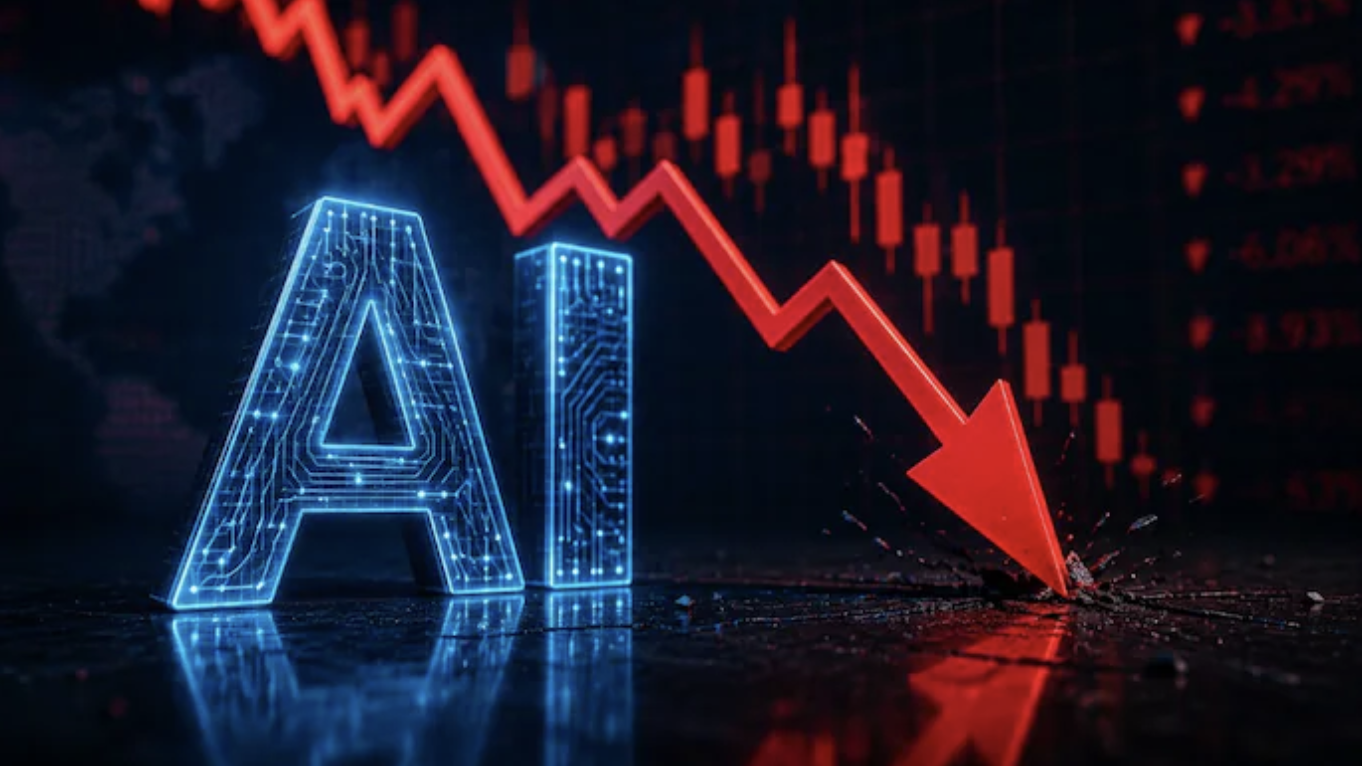
One reason insiders may be cashing out is that Wall Street’s favorite growth story—artificial intelligence—is beginning to collide with economic reality.
Will AI be profitable?
AI is controversial. To its supporters, it will unleash economic boom times. To its naysayers, it is job-crushing. And to the dystopians, it is a step toward Cyberdyne Systems’ Skynet and the Terminators. However, as far as the stock market is concerned, the real consideration is: can it make money?
Like drug dealers, tech companies seduce new users with freebies and other come-ons. But at some point, investors need to see income. However, as AI companies move from subscription models to token-based billing, big corporations are saying, “Maybe not.” When you pay the same no matter how much you use, you’ll use a lot. When you pay more to use more, you’ll use less.
Costi Perricos, global generative AI leader at Deloitte, warns, “Compute costs are now beginning to enter the minds of both CFOs and boards. Consumers and businesses have been taught that AI is cheap or free and that is definitely not the case.” Some of the businesses that have soured on AI include Amazon, Uber, Meta, Walmart, Microsoft, and Cisco.
In good news for employees, even AI CEO Sam Altman said he’d been “pretty wrong” about the countless workers he’d previously said risked being replaced by AI tools. In particular, he noted, “I thought there would have been more impact on entry-level white-collar jobs being eliminated by now than has actually happened.”
Anthropic CEO Dario Amodei revised his position that AI tools would cause mass layoffs. Instead, he said they are likely to automate about 90 percent of an employee’s job, while the remaining 10 percent “expands to be 100 percent of what people do.”
Needless to say, this management of expectations has led to revised estimates of AI’s reach and potential profitability. The stock markets in turn have reacted.
CNBC reports: Stocks fell again on Friday, with Wall Street on track for a weekly decline, as traders weighed the latest moves in semiconductors along with the latest quarterly reports. The broad market index lost 1%, while the Nasdaq Composite dropped 1.4% as tech stocks came under scrutiny. The Dow Jones Industrial Average fell 406 points, or 0.7%.
The Trump effect
If that is not enough to cause agita, the fact that Trump is extolling the market’s performance is a huge red flag. He is a man who said tariffs would create manufacturing jobs and eliminate the deficit. No and no. We are still fighting a war months after Trump guaranteed it would be over in weeks. And his promise to reduce prices on day one was pure wind.
In fairness, what Trump says is not definitively the kiss of death. However, his every boast so far has dissolved into dreck. So caveat emptor.