
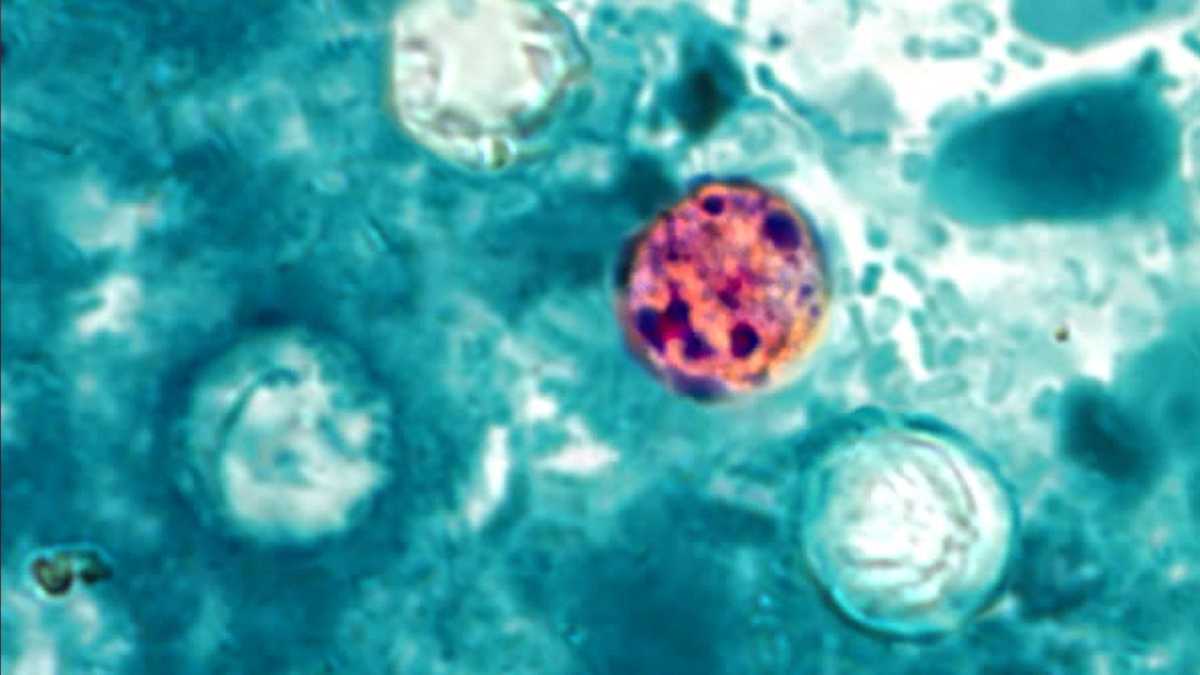
Oklahoma cyclosporiasis cases rise to 172 with 12 hospitalizations, OSDH says
Cyclosporiasis cases have increased to 172 in Oklahoma, according to new data from the Oklahoma State Department of Health.

Cyclosporiasis cases have increased to 172 in Oklahoma, according to new data from the Oklahoma State Department of Health.
The data, which was released Tuesday, shows that 170 cases have been confirmed through laboratory testing. Two probable cases were identified based on the patients’ symptoms and contact with a product that made transmission of the parasite possible.
Of those confirmed cases, 12 people have been hospitalized. There have been no deaths reported in Oklahoma.
OSDH data shows that the median age of the patients in Oklahoma is 40. Of those who have contracted cyclosporiasis, 55% are women and 45% are men.
Last week, there were 56 cases of the parasite in Oklahoma. The number of patients has more than tripled.
Initial numbers released from OSDH on Tuesday did not include all case information. The numbers initially indicated that 116 cases were identified in Oklahoma, not 172.
What is cyclosporiasis?
Cyclosporiasis is an intestinal illness caused by the parasite Cyclospora. The illness can come from eating unwashed produce and causes watery diarrhea, fatigue, dehydration, nausea, and vomiting.
Cyclospora infections are seasonal, with cases rising in spring and summer. The cyclosporiasis season runs from May 1 to Aug. 31.
Cyclosporiasis symptoms
According to the CDC, common symptoms include watery diarrhea (most common), loss of appetite, weight loss, cramping, bloating, increased gas, nausea, and fatigue. Less common symptoms include vomiting, body aches, headache, low-grade fever, and other flu-like symptoms.
For most people, cyclosporiasis lasts for days, but some with persistent or severe infections may need antibiotics to clear it.
Where does it come from?
FDA investigations of foodborne illness outbreaks have recorded 21 cases related to Cyclospora outbreaks since 2013. The most common food items are fresh herbs and leafy vegetables found in salad mixes.
The parasite has been found in fresh produce such as:
ParsleyCilantroSnow peasMesclun lettuceSpinachSalad mixesRaspberries, blueberries, and blackberries