
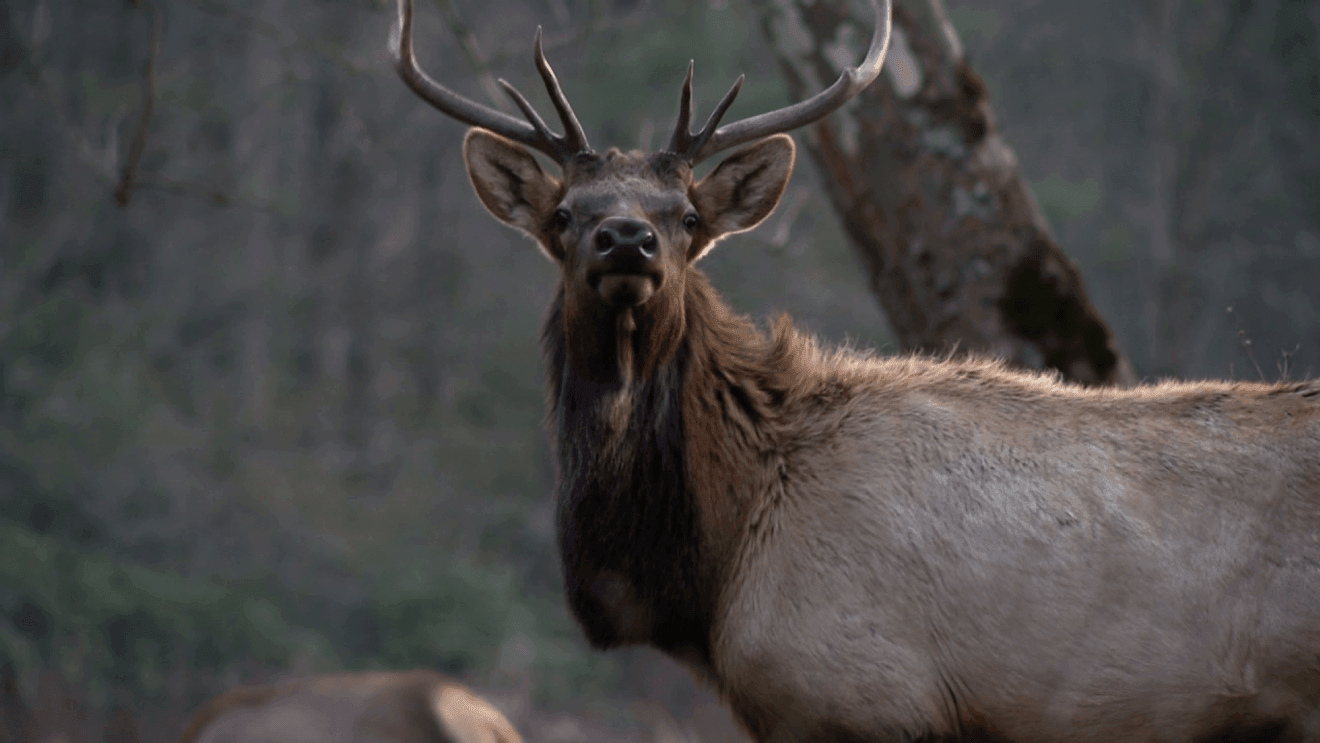
MAGGIE VALLEY, N.C. (WLOS) — For the first time since elk were reintroduced to western North Carolina 25 years ago, hunting permits will be available on a limited basis in 2027.
On July 7, Governor Josh Stein signed House Bill 747, allowing for the North Carolina Wildlife Resource Commission (NCWRC) to issue two elk hunting permits during the 2027 hunting season.
SEE HOW ELK RETURNED TO GREAT SMOKY MOUNTAINS NATIONAL PARK IN ‘ELK: A REINTRODUCTION’
“Our goal for elk management in the state is to have a sustainable huntable population and at this point we’ve reached that goal,” said Justin McVey, district wildlife biologist for NCWRC.
The nontransferable permits will be distributed through an auction in which NCWRC will choose one wildlife conservation nonprofit organization that was involved in the reintroduction of elk into North Carolina to auction the permit off.
According to the bill, the nonprofit shall receive no more than 25% of auction proceeds.
The second elk permit will be raffled off in a raffle in which tickets will be $20 per ticket, with a maximum of 30 for $500. Each person wishing to purchase a raffle ticket must have a valid North Carolina hunting license or be licensed exempt.
The commission may receive some of the proceeds from the raffle as long as it does not exceed $25,000. NCWRC will also deposit the remaining proceeds from the auction and raffle into a Wildlife Resources Fund to be used for the conservation and management of elk.
McVey says the permits will be available in July 2027, with the hunting season starting later the same year in October.
“They’ll be able to basically hunt any area in the elk zone that has elk; it’ll be private land as well as game lands,” McVey said.
GREAT SMOKY MOUNTAINS NATIONAL PARK SEEKS ELK ROVER VOLUNTEERS
Those hunting on private land will need permission from the private landowner, and any hunters not following standards for hunting will receive fines or tickets, McVey said.
According to the bill, any elk that has been taken should be reported and presented to the NCWRC.
For communities like Maggie Valley that are known to have elk that draw in visitors, locals are having mixed opinions on the new bill. Bobby Harrison, owner of Aries Little Knife Store in Maggie Valley, is in support of the bill.
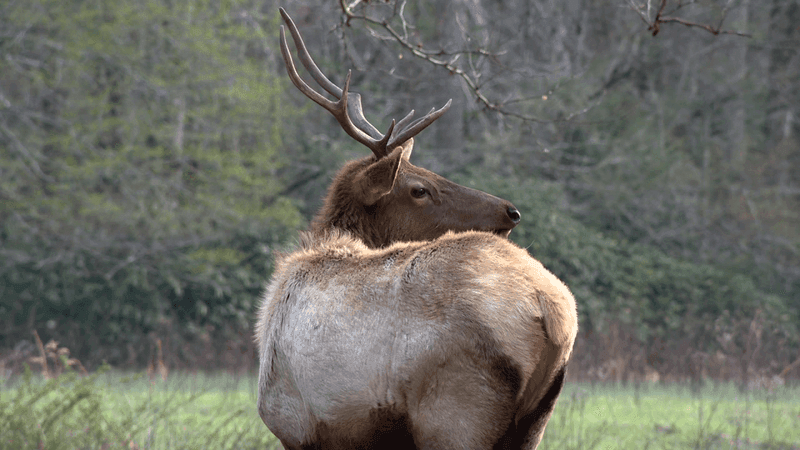
Elk in western North Carolina. (Photo: WLOS Staff)
“Well, I’m in support of it, you know, I’m not sure how many elk they have, but it looks like they got plenty of them, and you know, as long as it’s a lottery and they don’t go out there and kill like they did, you know, when they eradicated them,” Harrison said. “I think it’s good to keep the population down a little bit”
Other locals, like elk enthusiast and owner of Cabbage Rose in Maggie Valley, Scott Neilson, are not in support of the bill.
“I personally am against it right now I don’t think have enough elk to need to have the need to cull them at this point,” Neilson said.
As part of the bill, the NCWRC must issue a report no later than March 1, 2028, as well as every year after it conducts raffles and auctions on the effectiveness of the raffles and auctions, along with the amount of money raised and recommendations on whether or not to keep the permits.
MEET THE MAN WHO LED ELK REINTRODUCTION IN GREAT SMOKY MOUNTAINS NATIONAL PARK
For years following the 2027 hunting season, the NCWRC may raffle one or more elk permits as well as auction one permit from a select nonprofit wildlife conservation organization based on evaluations of elk management goals.
NCWRC provided News 13 with a full statement on House Bill 747 below:
“Agency staff collaborated closely with state lawmakers throughout the development of this legislation. The Wildlife Resources Commission appreciates the opportunity to provide input during the legislative process and thanks members of the General Assembly for their collaboration and consideration. Through direct engagement with lawmakers, the Commission helped ensure that elk conservation and management decisions reflected science-based decision-making and sound biological management principles.”