
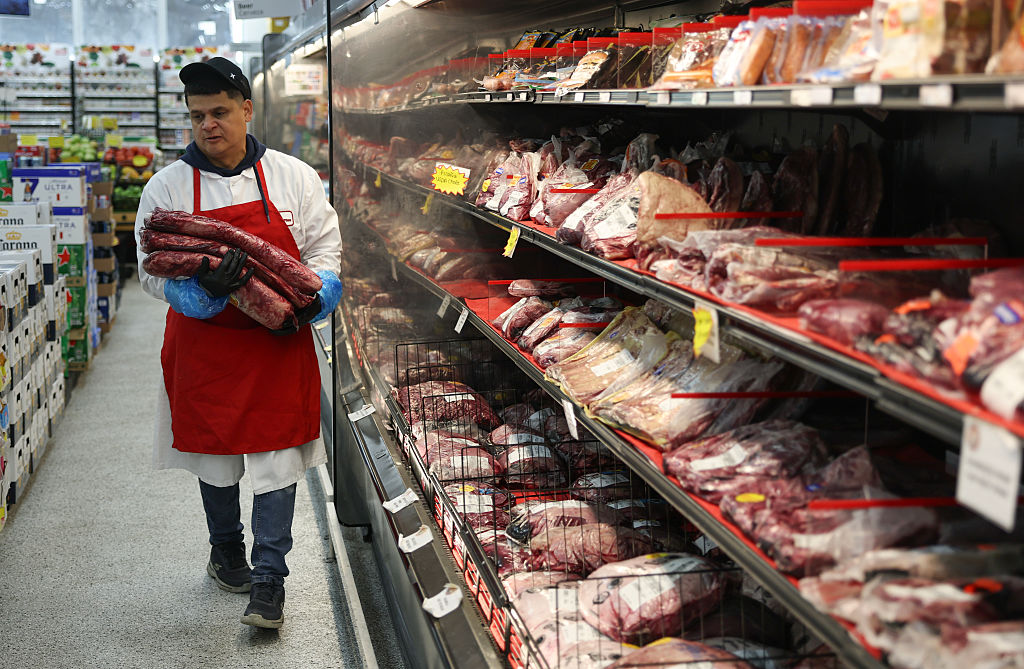
Beef prices will remain near record highs this summer, but they will be more predictable than last summer even as New World screwworm (NWS) and oil prices add wrinkles, Texas A&M ag economists said.
The Texas A&M Food Price Predictor: Summer 2026 Meat Prices report comes as consumers show some resistance to beef prices and concerns around how factors like NWS will exacerbate the issue.
Texas A&M ag economists forecast price stability. The average retail price for ground beef is forecast to ease slightly, from about $6.71 per pound in May to $6.62 by October, they said. Chuck roast and sirloin steak are expected to stay flat or edge lower, and ribeye is projected to ease from around $18.81 per pound to $18.33.
Brisket, they said, is the one beef cut expected to increase, rising from about $5.83 to $5.95 per pound.
Nonetheless, the “biggest wild card” is NWS, which shut off imports of Mexican cattle and, while spreading in the US, has added management input costs that could trickle down to consumers.
“Now with New World screwworm, that’s going to cause issues that we haven’t seen yet,” lead author Dr. Simon Somogyi said. “We could see higher prices without those historically steady imports from Mexico.”
Oil prices are another potential wrinkle, with the cost of fertilizer, animal feed and transportation in question as the US-Iran conflict continuing to add uncertainty, the report said.
Meanwhile, another study, Blue Yonder’s 2026 Consumer Grocery and Protein Trends survey, found that 55% of US consumers are buying less beef or have stopped entirely amid rising prices and NWS. Seventy-eight percent of more than 1,000 respondents said they are concerned the pest could further affect beef prices or availability.
At the same time, the survey found, one-third of consumers have increased their overall protein purchases in the past six months and are shifting to other proteins, with 44% buying more chicken, pork and seafood; 28% buying more canned or shelf-stable proteins; 22% turning to egg-based proteins; 18% opting for plant-based proteins, and 10% increasing purchases of protein powder substitutes.
The survey also found that 40% of beef buyers say they are purchasing beef less frequently, while others have switched to cheaper cuts (17%), largely stopped buying beef (11%), or completely stopped buying beef (4%) because of rising prices.