
July 23 (Asia Today) — The Office of the U.S. Trade Representative could announce new tariffs as early as Thursday against South Korea and dozens of other trading partners over what it describes as inadequate measures to block goods produced with forced labor.
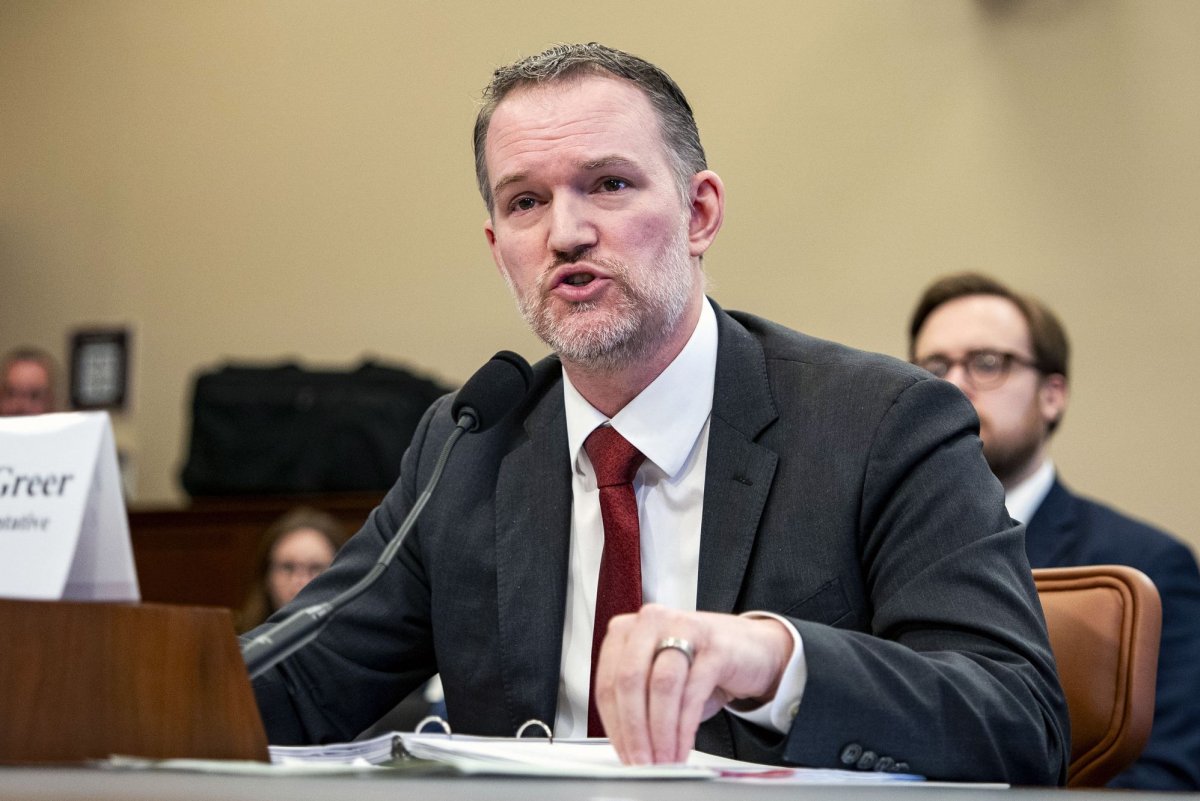
U.S. Trade Representative Jamieson Greer said Wednesday that his office was preparing to announce its final response in Section 301 investigations involving 60 economies.
The proposed action could subject South Korean products to an additional tariff of as much as 12.5%, although Greer did not disclose the final rate or treatment planned for individual trading partners.
South Korea plans to urge the United States to honor a previously negotiated agreement intended to cap applicable tariffs on Korean products at 15%.
Greer said in written testimony submitted to the Senate Finance Committee that USTR could release its final action as early as Thursday.
He said the investigations were intended to encourage trading partners to join U.S. efforts to prevent products made with forced labor from entering international commerce and to provide fairer conditions for American workers and businesses.
USTR opened investigations involving 60 economies in March and proposed additional tariffs in June.
Under the proposal, imports from economies judged to have stronger restrictions on forced-labor products would face an additional 10% tariff. Goods from other economies could face an additional 12.5%.
The proposal had not become final as of Wednesday and USTR could modify the rates, product coverage or implementation terms following public comments and hearings.
Greer says U.S. tariff strategy remains unchanged
Greer defended President Donald Trump’s tariff policies during the Senate hearing and said the administration would continue using trade measures to support domestic manufacturing.
“The specific authorities this administration is using have changed but our trade strategy has not,” Greer said.
He said the administration would continue using tariffs and trade negotiations to reindustrialize the U.S. economy, protect American workers, raise wages and reduce the trade deficit.
Democratic senators argued that the tariffs were increasing the prices American families pay for consumer products.
Sen. Raphael Warnock, D-Ga., said virtually everyone except the Trump administration recognized that tariffs raised costs.
Greer responded that the measures were necessary to defend U.S. production and workers from unfair foreign competition.
Temporary global tariff set to expire
The forced-labor decision comes as a temporary 10% global tariff imposed under Section 122 of the Trade Act of 1974 is scheduled to expire Friday after reaching its maximum 150-day duration.
The Trump administration introduced the temporary levy after the U.S. Supreme Court ruled Feb. 20 that the International Emergency Economic Powers Act did not authorize the president to impose tariffs.
The administration has since pursued alternative tariff authorities, including Section 301 investigations concerning forced labor and structural excess production in manufacturing.
South Korea was included in both investigations.
USTR is preparing final action in the forced-labor cases but has not publicly proposed tariff rates resulting from the separate investigation into industrial overcapacity.
Trump also announced Monday that selected Canadian products would face an additional 50% tariff beginning Aug. 19 under the Tariff Act of 1930.
Greer said Canada had continued to receive favorable trade treatment and that the administration wanted to preserve as much free trade as possible within North America while protecting U.S. producers.
He also called for changes to the United States-Mexico-Canada Agreement that would encourage more automobile production in the United States. He said the agreement’s central provisions, including agricultural market access, should remain intact.
Congress weighs limits and expansions of tariff power
Sen. Ron Wyden of Oregon, the ranking Democrat on the Senate Finance Committee, has introduced legislation that would restrict tariff authority delegated to the president.
The proposal would require congressional approval for new tariffs, establish a commission to review presidential trade measures and require Congress to approve binding trade agreements.
Lawmakers are also considering legislation that would authorize tariffs of up to 100% on countries that continue purchasing large quantities of Russian oil and natural gas.
The measure was introduced by Sen. Lindsey Graham, R-S.C., who died July 11, and could affect major Russian energy customers including China and India.
Seoul seeks enforcement of 15% tariff ceiling
South Korean Trade, Industry and Energy Minister Kim Jung-kwan traveled to Washington for meetings running through Saturday with Commerce Secretary Howard Lutnick, administration officials and members of Congress.
Kim is expected to explain Seoul’s position on the expiration of the temporary global tariff and USTR’s planned Section 301 action.
“Friday happens to be the day the global tariff expires, so we plan to discuss that issue as well,” Kim said.
The South Korean government maintains that a 15% tariff ceiling negotiated under an earlier bilateral trade agreement should apply to any new U.S. trade measures.
Trade Minister Yeo Han-koo, who is also visiting the United States, is expected to contact Greer because USTR is leading the Section 301 investigations.
Kim will also discuss the first project under South Korea’s planned $200 billion, or about 295.2 trillion won, investment package in the United States.
He said the two governments were focusing on energy projects that could generate stable cash flow.
Kim said negotiations were in their final stages and that the first project could be announced in late August or September after the remaining issues are resolved.
He said the investment would be based on commercial viability and should benefit both countries.
Kim also addressed the dispute involving South Korean e-commerce company Coupang, which has emerged as a bilateral diplomatic and trade issue.
He said misunderstandings and differences remained between the two governments and that relevant South Korean agencies were working to narrow the gap.
— Reported by Asia Today; translated by UPI
© Asia Today. Unauthorized reproduction or redistribution prohibited.
Original Korean report: https://www.asiatoday.co.kr/kn/view.php?key=20260723010008366