
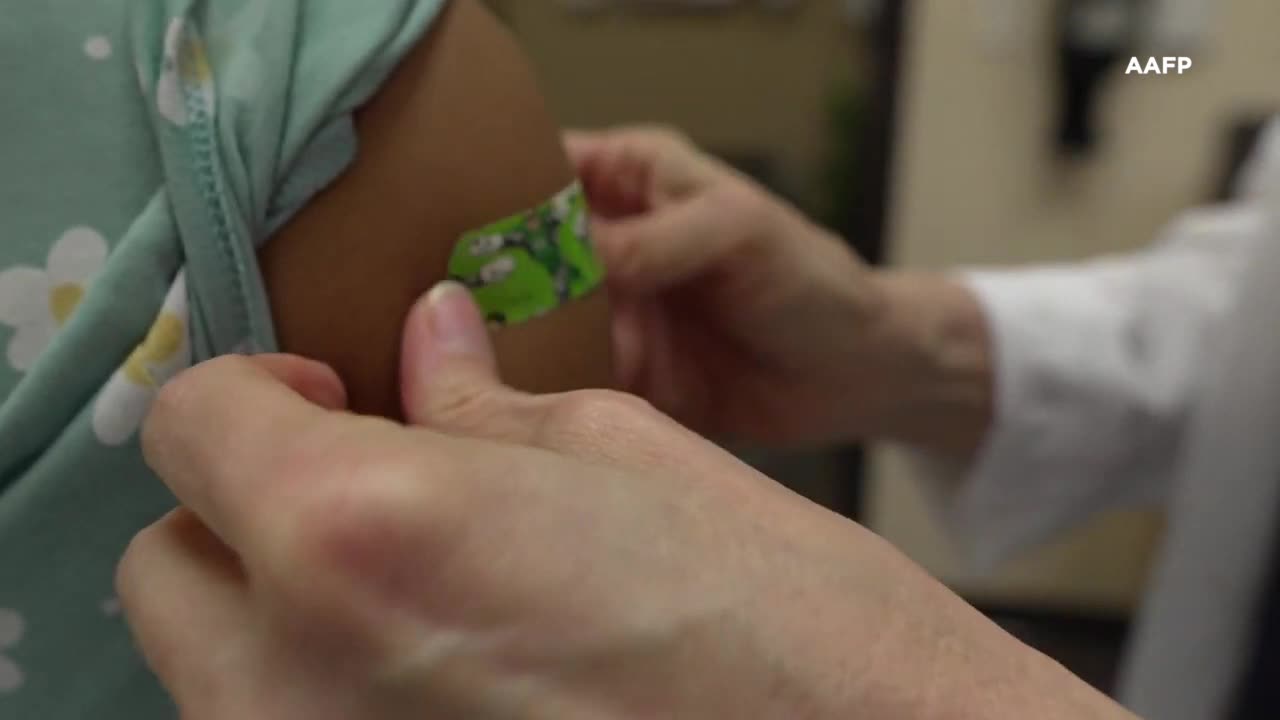
As the U.S. grapples with record-high cases of measles, school is right around the corner, and there are fewer and fewer kids vaccinated against the disease.
Data from the Centers for Disease Control and Prevention (CDC) backs that up — once as high as 96.3%, the percentage of Minnesota kindergarteners with the MMR vaccine, which protects against measles, was 86.5% for the 2024-25 school year.
State numbers from the Minnesota Department of Health reflect that as well, with a continued drop for this past school year (2025 – 26): 85.75%.
The Minnesota Academy of Family Physicians (MAFP) says the drop in vaccination rates and the increase in measles cases is a direct correlation.
“It’s concerning and frustrating,” MAFP president-elect Dr. Shannon Neale said about the ongoing measles outbreak.
“We really want to head off any kind of problem in the school year when kids are congregating together,” Dr. Neale added. “The advice is to just get your child vaccinated.”
“That is the number one way to protect them from measles. [There’s] really not anything else other than keeping them quarantined in their bedroom, which nobody’s going to want to do. So, vaccination is key.”
As for why immunization rates are dropping, Dr. Neale points to declining confidence in the medical field and more specifically vaccines.
“We’ve seen them start dropping, particularly since COVID. I think just the trust in vaccines has been eroding,” she said.
For some, that trust hasn’t been strong for quite some time. Like for Wayne Rohde, whose twin sons recieved the MMR vaccine at 13 months — one was just fine, but he says the other had a severe reaction.
“[He was] later diagnosed with encephalopathy and encephalitis, which is brain injury, and then he lost his speech a couple years later, and he regressed skills,” Rohde said about his son. “So he lives with us in our home, but he’s nonverbal, and he’s depending on us for care.”
Following that, he co-founded the Vaccine Safety Council of Minnesota and now advocates for other families who’ve experienced injuries from vaccines and urges them to ask questions.
“Doctors need to be completely honest with the parents, tell everything. ‘Here’s the pros and the cons, the risks and benefits,’ and then they can make the decision what’s best for them,” Rohde said.
That conversation is welcomed by the academy; Dr. Neale says now is the time to have those talks, “Whether it’s a pediatrician, a family physician, advanced practice clinician, having a conversation with them about vaccines is critical.”
According to MDH, Minnesota has had at least 17 confirmed cases of measles this year; last year there were 26 total.
It says the state currently doesn’t have an outbreak of measles but is still concerned with the case numbers and is tracking a trend.
“These cases were all infected in the United States, particularly in Minnesota, and that’s different from what we have seen with most of our measles cases in the past. They typically have occurred when unvaccinated persons, you know, travel somewhere,” Jayne Griffith, MDH senior epidemiologist, said.
MDH’s advice is to make sure your family is up-to-date on vaccines.
“The MMR vaccine is very safe. It is very effective. You know, one dose provides about 93% protection against getting measles, and two doses provide 97% effectiveness. And again, it’s a very safe vaccine,” Griffith said.
For Related Stories: Measles Ben Henry CDC Children Minnesota Department of Health Vaccines