
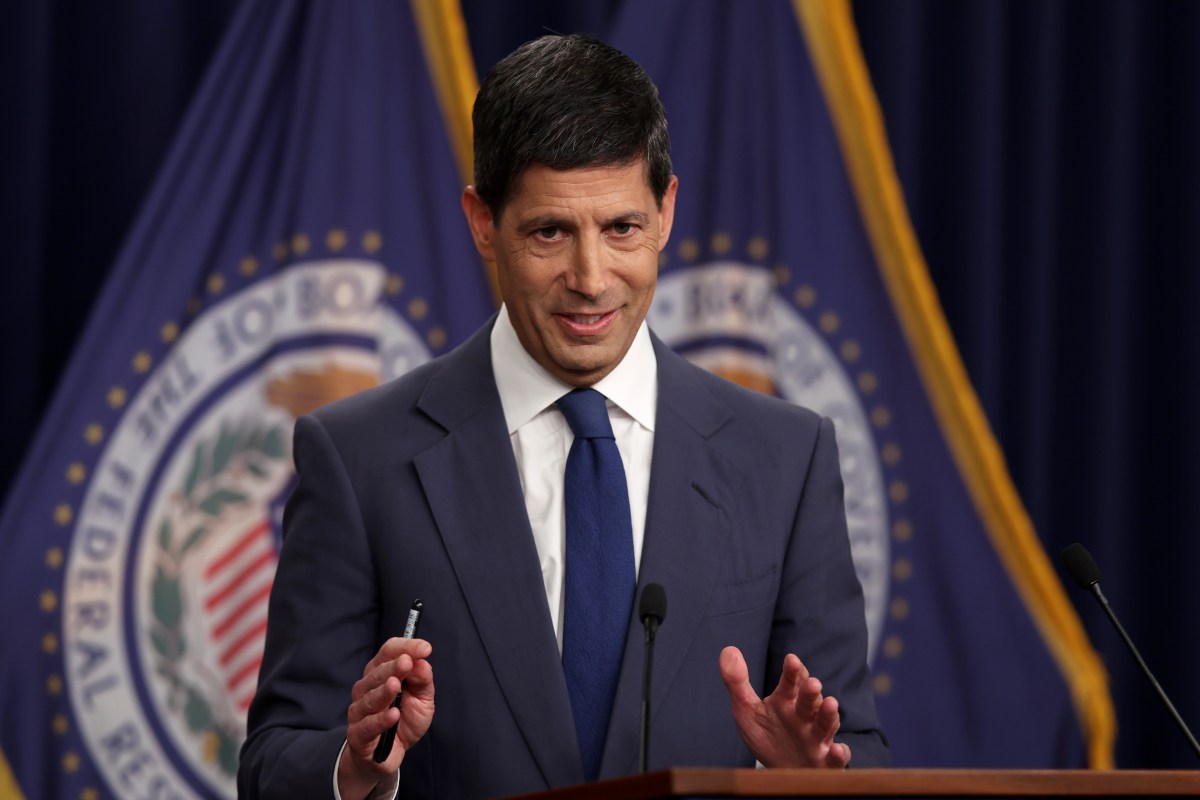
The new chief of the Federal Reserve has expressed confidence in the “impressive resilience” of the U.S. economy, but recent polling shows that fewer and fewer Americans share this rosy assessment of the country’s prospects.
This week, Kevin Warsh presided over his second meeting of the Federal Open Market Committee, which voted on Wednesday to leave interest rates unchanged. This was despite some members expressing interest in a rate increase, amid a recent spike in inflation brought about by the Iran war.
Speaking to reporters following the meeting, Warsh said he was sure the committee could “deliver price stability” given the economy’s underlying strengths.
Read More on News
“The economy is showing impressive resilience. Even with recent shocks, the trends are positive and reveal solid growth,” he said. “Job gains have kept pace with the workforce, and the unemployment rate has changed little.”
But this outlook appears to contrast with Americans’ current views of the country’s and their own financial situations. According to a July 23-27 Quinnipiac University Poll, only 28 percent of voters would describe the economy as either excellent (3 percent) or good (25 percent), compared with 30 percent who consider it not so good and 41 percent who consider it in bad shape. And 59 percent of those polled believe things are getting worse, while only 19 percent think the economy is improving and 21 percent believe it is treading water.
Surveys Show ‘Less Sunny’ Consumer Outlook
As Warsh alluded to, several recent employment reports have surprised to the upside, and inflation slowed considerably in the latest Consumer Price Index (CPI) from the Bureau of Labor Statistics (BLS). However, prices continue to rise and contribute to what Americans see as a deepening crisis of affordability.
A recent Harris Poll conducted for The Guardian found that 95 percent of Americans think the U.S. is in the midst of an affordability “crisis” driven by the rising cost of groceries, gas and other expenses. This pessimism was shared by Democrats and Republicans, as well as many of Donald Trump’s and the party’s core voting blocs—a shift political analysts say could hurt the GOP come November.
“Economic skepticism is dangerous for the party in power, in this case, the Republicans, because it directly affects the coalition that brought Trump back to power: working-class, rural, and independent voters who expected relief on prices,” Matt Klink, a campaign consultant and the president of Klink Campaigns, told Newsweek earlier this month.
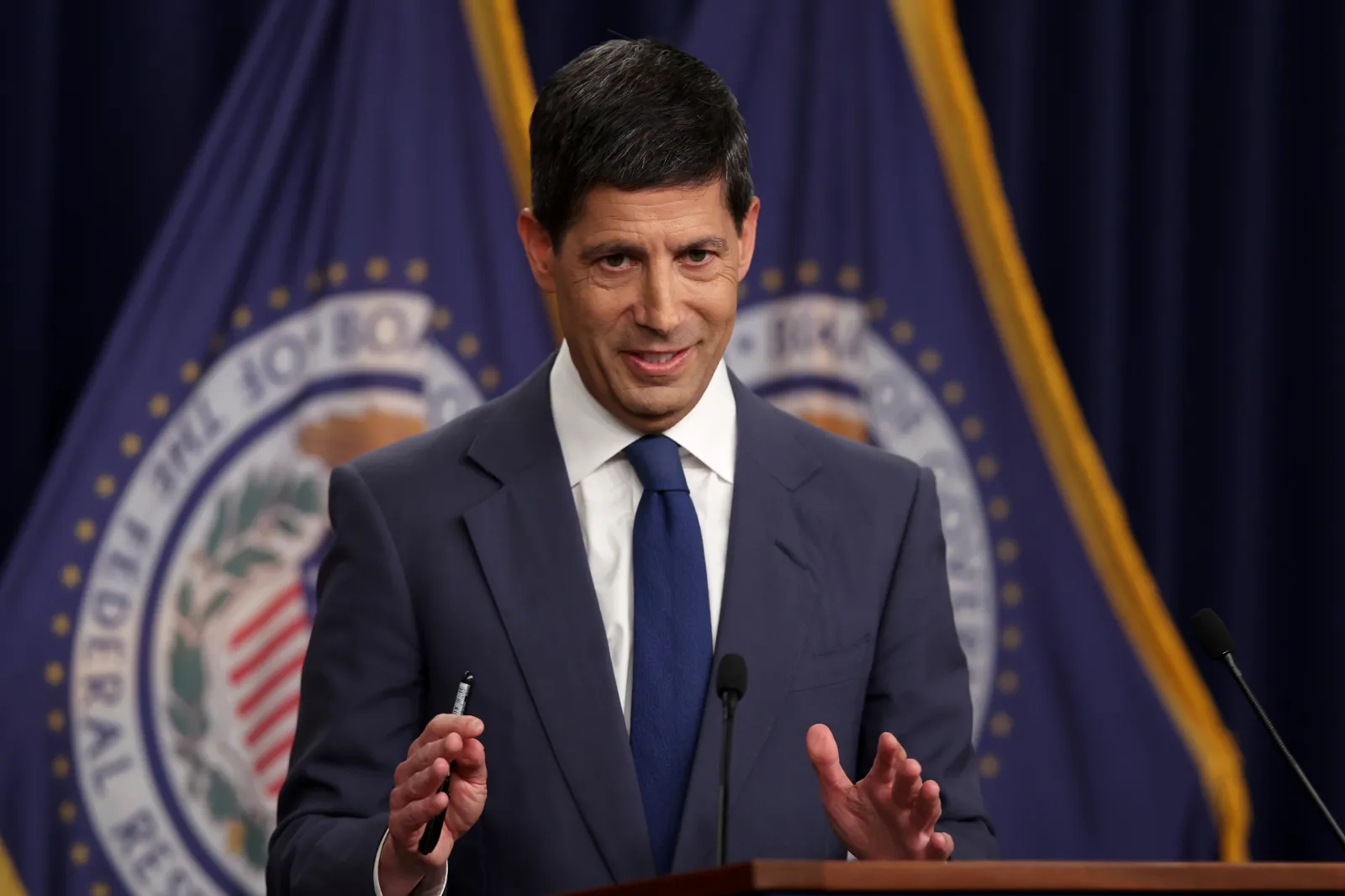
Of the 963 registered voters polled by Quinnipiac University, nearly half (49 percent) said they felt worse off than a year ago, with 16 percent feeling similar and 34 percent better. And this pessimism has been replicated across several surveys in recent days.
CNN found that only 23 percent of Americans describe the economy as either good or very good, with 77 percent rating it negatively, including 38 percent who see it as in “very” bad shape. Pew Research reported similarly bleak assessments, with under a quarter (24 percent) viewing economic conditions favorably, while Fox News found that only 26 percent are confident in the state of the economy.
And amid these weakening perceptions, the Conference Board this week revealed that its consumer confidence index declined in July. This follows some slight improvements in June, which came amid a drop in gas prices and hopes of a breakthrough in Iran war negotiations—both of which have now been largely erased.
Michael Weber, a professor of finance at Purdue University and a research associate with the National Bureau of Economic Research (NBER), told Newsweek that Warsh is correct in noting that many indicators point to the “resilience” of the U.S. economy. He said that the “aggregate strength” of things like economic growth and spending, however, mask “meaningful fragility” among the population.
“Credit-card balances remain elevated, and transitions into serious credit-card delinquency have continued to rise,” Weber said. “This helps explain why survey evidence is much less sunny.”
No ‘Magic Wand’ for Rising Prices
Inflation slowed to 3.5 percent on an annual basis in June from 4.2 percent in May, amid a sharp decline in fuel costs last month. However, it remains well above the Fed’s long-term target of two percent.
According to the Quinnipiac Poll, 88 percent of voters consider inflation a serious or very serious problem. By contrast, only 11 percent consider it “not so serious,” and two percent see it as not an issue.
And Warsh’s comments on Thursday indicate that rising prices remain among the central bank’s priorities, and one which he believes the Fed is well placed to address with the correct monetary policy.
“I came out of that meeting even more confident that this is the right team to win the battle against high inflation,” Warsh told reporters, while noting that price stability would take more than “days or weeks” to address.
“We are focused like a laser on making sure we can do it, but the suggestion we are going to be able to with our magic wand is one I want to disabuse you and everyone else of,” he said. “But the discussions of the last two days give me more confidence even than I had eight-and-a-half weeks ago.”
Contact Newsweek editors for this story: Daniel Orton and Robert Greenall