
CLACKAMAS, Ore. (KATU) — Oregon and Clackamas County health officials are warning people about a new measles exposure site at a Kaiser Permanente medical office in Clackamas.
The Oregon Health Authority said people may have been exposed to measles if they visited the Kaiser Permanente Mt. Scott Medical Office, 9800 SE Sunnyside Road, between 1:35 and 3:44 p.m. Thursday, Aug. 6.
Health officials are asking anyone who was at the medical office during that time to check their vaccination records and watch for signs and symptoms of measles.
READ ALSO | Health officials warn of another measles exposure at Gresham urgent care
Kaiser Permanente plans to contact people directly if health officials determine they are eligible for and need immune globulin as post-exposure treatment to help prevent measles.
Families who do not have a primary care provider can establish care at one of Multnomah County’s seven primary care clinics or nine student health centers. The student health centers are located at high schools but are open to anyone ages 5 to 18.
Families can call 503-988-5558 to make a new patient appointment.
Clackamas County residents can also schedule an appointment with a Clackamas County Health Center.
ABOUT MEASLES
Measles is a highly contagious respiratory virus that spreads through the air when an infected person breathes, speaks, coughs or sneezes. The virus can linger in the air for up to two hours and can infect up to 90% of unprotected close contacts. Complications can include pneumonia, brain inflammation and death.
Nationwide, measles cases have been rising since early 2025. Nearly 2,300 cases were reported last year, with most occurring among unvaccinated children.
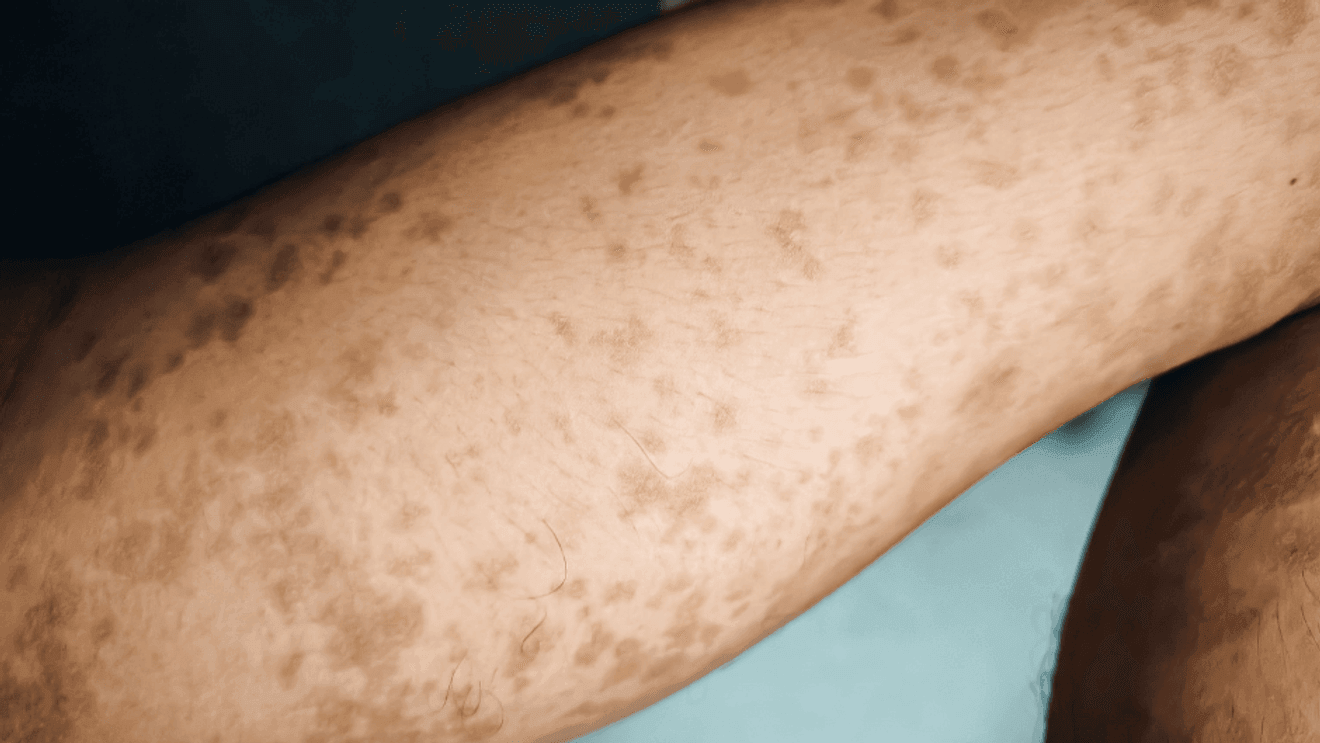
Symptoms typically begin seven to 21 days after exposure and include cough, runny nose and conjunctivitis accompanied by a high fever. A rash usually follows, starting on the head or neck and spreading downward. People are contagious from four days before the rash appears until four days after.
HA advises health care providers to report suspected cases immediately and consider post-exposure treatment for exposed patients. The measles, mumps and rubella vaccine can be given within 72 hours of exposure. Immunoglobulin may be administered within six days.
For most people 6 months and older who are eligible for vaccination, receiving the MMR vaccine within 72 hours of exposure is recommended.
Anyone not protected against measles is at risk, according to OHA. The agency encourages residents to check their vaccination status and contact a health care provider with questions.