
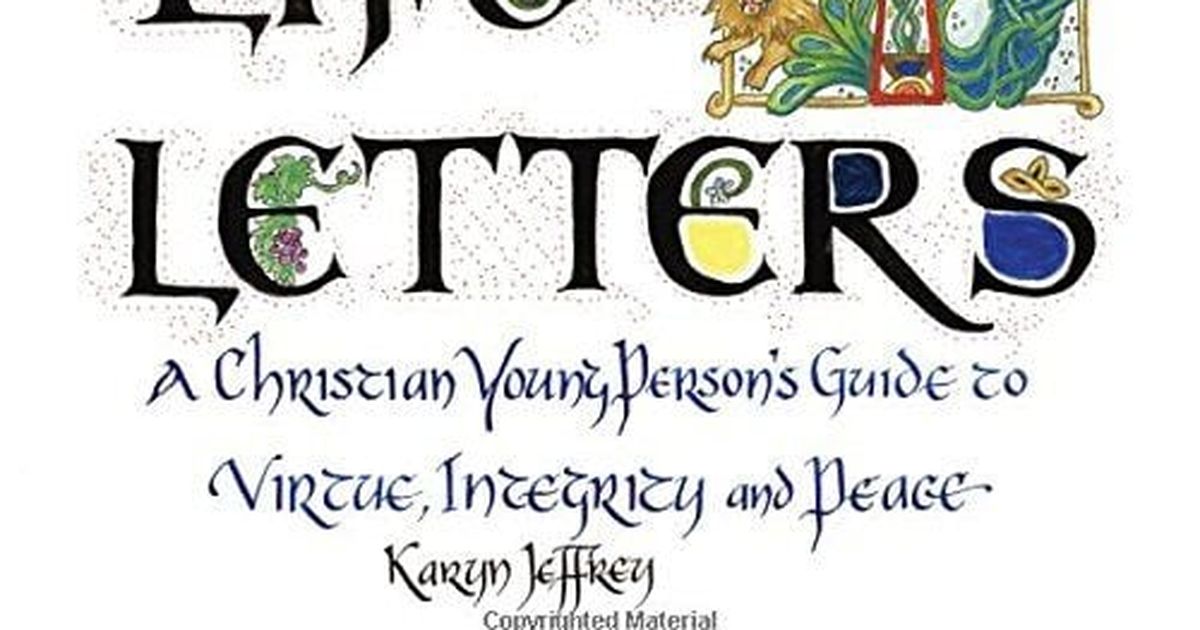
Spokane Public Library is celebrating the art of lettering with local author and illustrator Karyn Jeffrey. Jeffrey will present “Illuminations: The Art of Calligraphy” on Thursday from 11 a.m. to 12:30 p.m. at the Central Library.
The event coincides with the library’s current exhibit “Calligraphy: The Art of Beautiful Lettering” which is a collaborative effort with the Spokane Calligraphy Guild. It includes works both new and old, featuring work by guild members as well as historic examples pulled from the Inland Northwest Special Collection.
Jeffrey will highlight items from the library’s rare book collection to showcase how lettering has been used throughout history.
“The Nuremberg Chronicle is on display. This is one of the oldest and most beautiful books we have stored in the vault. It was published in 1493 as a sort of encyclopedia of world history, with many biblical references. The language is Latin, as most printed texts were in that region and era. It has exceptional examples of calligraphy, woodcut illustrations, and early printing techniques throughout,” said Sharma Shields, writing education specialist at Spokane Public Library, in an email.
Jeffrey will also present her book, “Life in Letters: A Christian Young Person’s Guide to Virtue,” and share her journey of creating each handwritten page.
“We hope that people walk away from this program and exhibit with an understanding that beautiful lettering has been in existence for a long, long time and is not a dying art, it is very much alive today,” said Spokane Public Library arts education specialist Eva Silverstone via email.
Since we first began to use writing implements, humans have noticed and enjoyed the character that comes through in handwriting. Funnily enough, it was the advent of printing that alleviated scribes from the labor of copying and allowed these fine manuscriptists to focus more specifically on aesthetics.
Although calligraphy had traditionally been considered a major art throughout East Asia and the Middle East, the emergence of Western calligraphy took root with 16th -century Italians with the publication of books on the theories and practices of making letters.
In 1540, Flemish cartographer Gerardus Mercator published “Literarum Latinarum” (“Latin Letters”), to take writing instruction further than theoretical publications from Italy. His book was more of a stroke-by-stroke manual, which helped popularize the technique to more of a mass audience, including students and women. Calligraphy continued to evolve through the next century, broadening in style and the use of individual flourishes.
The art waned at different moments of history as legibility took priority, but calligraphy would see a major English revival in the 19th and 20th centuries in response to the popularization of machinery and mechanization of traditional craftsmanship. And it appears that same kind of passion has continued the relevancy of calligraphy into the modern computer age and the era of typography a modern replication of the techniques used by those who created some of our collection,” said Silverstone.
The exhibit will be on display through Aug. 30.