
Reading Time: 3 minutes
Research into improving productivity continues to be a major focus for Beef + Lamb New Zealand as it maximises levy spend in light of upward trending livestock price forecasts, it says.
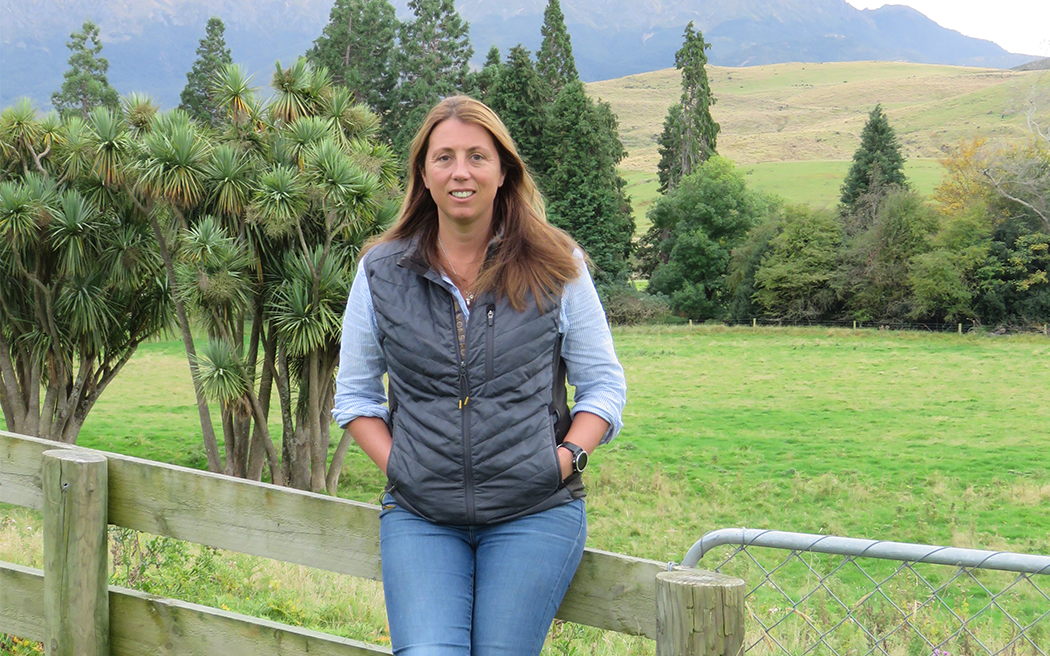
Addressing the BLNZ director roadshow in Ashburton, chair Kate Acland said while 51% of productivity improvements in sheep over the past 30 years have come from genetic gain, underpinned by BLNZ research and development, the other 49% had come from on-farm management, supported by the industry’s extension programme.
“The challenge now is how to maintain the gains – through hogget lambing, faster lamb growth and increasing lambing percentage, there are gains still to be achieved.”
There’s now a major lift in beef research.
“We need to replicate the genetics gain in beef now to improve the same genetic improvements as sheep. This includes nProve for beef launched as an industry collaboration and the non-replacement dairy calves project with DairyNZ, meat and milk processors.”
Getting more boots on the ground, expanding the way the organisation delivers, will open opportunities to more farmers, in a move away from the big field days to more small group learning and the introduction of hub farms, she said.
“We have changed the way we engage with farmers on policy. Government is moving too fast and it’s hard to keep in front of farmers.
“We know we need enduring solutions so the pendulum doesn’t swing back and we are working closely with industry sectors on this across climate change, afforestation, freshwater, trade policy and market access.”
BLNZ’s general manager for insights and strategic planning, Julian Ashby, said the outlook is positive with United States beef exports at record levels and expected to remain high until 2028, and with European and United Kingdom sheep demand solid and demand returning for mutton from China.
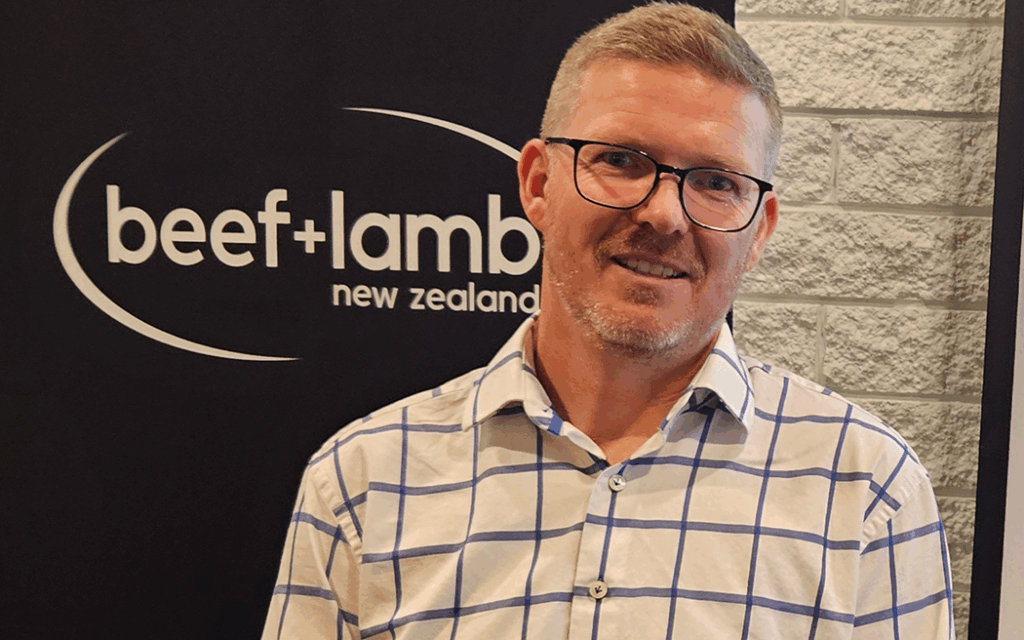 Julian Ashby says record levels are expected to remain high until 2028. Photo: Annette Scott
“We expect demand for beef into the US to remain elevated for at least two years with greater demand for ground beef.”
Global AgriTrends principal Simon Quilty forecast lamb to reach its peak at $10.50 in July 2026 with beef to follow with a 15% lift over the next 12 months.
“Global demand is good; Australian supply of beef and sheepmeat will tighten significantly and NZ will be the beneficiary,” he said.
“With or without tariffs the fundamentals are strong; tight supply and strong demand as NZ’s role in backfilling increases.”
Meanwhile there are signs of recovery in a BLNZ annual stock number survey released this week.
Total sheep numbers fell by 1%, a welcome contrast to sharp falls in recent years. Beef cattle numbers rose 4.4%.
Acland said the survey shows there are reasons for optimism in the sector, but significant challenges remain.
Worryingly, the number of breeding ewes continues to decline, down 1.9%, and the lamb crop is forecast to be 0.6% lower this season. That’s nearly 120,000 head fewer, on top of a 1.2 million reduction in lambs last year.
Acland said continuing loss of land to forestry is creating ongoing concerns about the sector’s longer term viability.
“Our conservative estimate is that 2.6 million stock units have been lost to afforestation since 2017, and afforestation is responsible for 78% of the total reduction in sheep and beef stock numbers since 2017.
“We can’t double exports if we’ve planted our best farmland in pine trees.”