
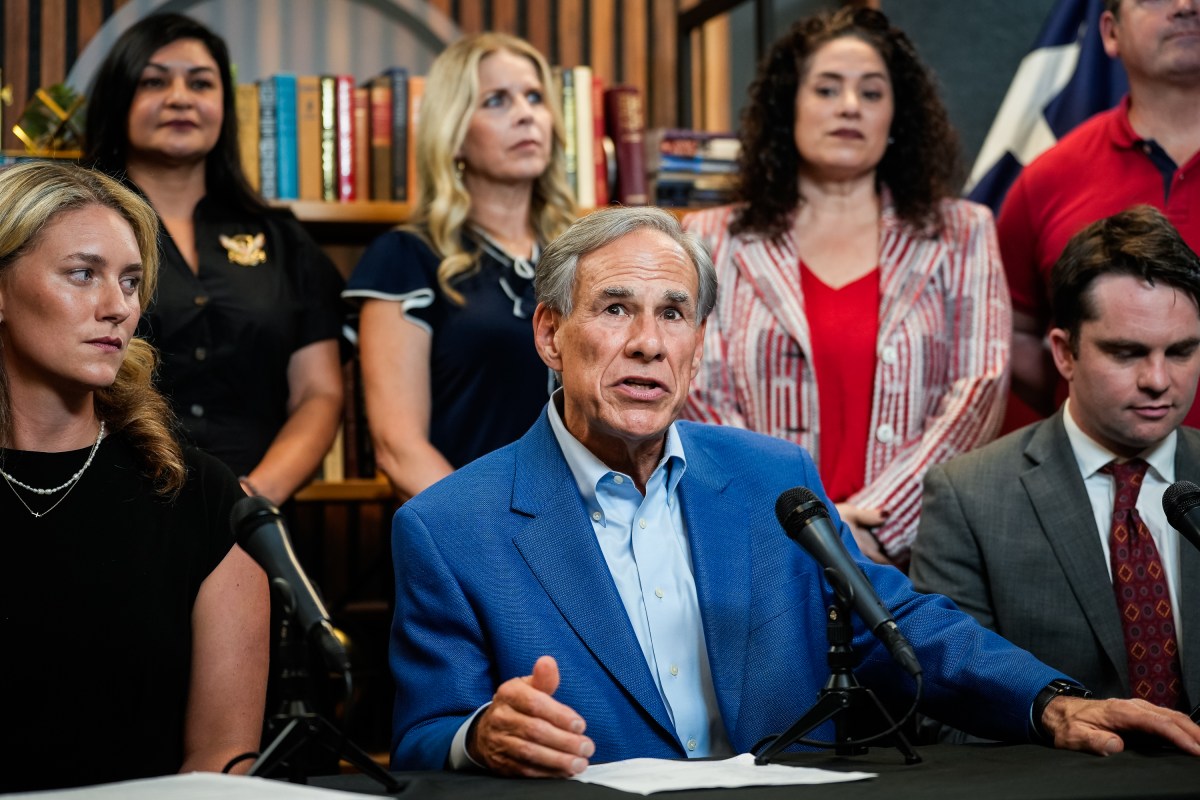
Texas Governor Greg Abbott said AI data center developers have largely brought public opposition upon themselves by failing to work with local communities before launching projects, arguing that the industry’s rapid expansion has fueled some anger across the Lone Star State and beyond.
Speaking on ABC News’ This Week on Sunday, the Republican governor said many facilities appeared in communities with little public awareness or engagement, creating concerns about power consumption, water use, and neighborhood impacts.
“They basically dug their own grave for the problem that’s been caused for them and that’s why they got the backlash they deserve,” Abbott said, who added that Texas has paused approvals for new data centers while new statewide standards are implemented.
Read More on News
Abbott said future projects in Texas will have to meet requirements related to water usage, electricity demand, consumer costs and local community approval before they can move forward.
Data centers have become a growing source of concern in communities across the country. Facilities supporting cloud computing and AI require large amounts of electricity and often significant quantities of water for cooling. Critics have also raised concerns about noise, pressure on power grids, rising electricity costs, and the environmental impacts associated with meeting growing energy demand. Despite this, tech giants including Meta, Microsoft, Amazon and Google are racing to build massive computing facilities to support AI models and cloud services.
Meta reached an agreement with Abbott on August 10, according to a press release that was provided to Newsweek from the company on Sunday afternoon.
“Meta supports Texas Governor Greg Abbott’s commitment to responsible data center development, and we pay the full costs of our data centers’ energy and water use so they aren’t passed on to consumers,” the statement read.
Newsweek reached out to those companies by email Sunday for comment.
 Abbott Orders Data Center Audit, Trump Responds
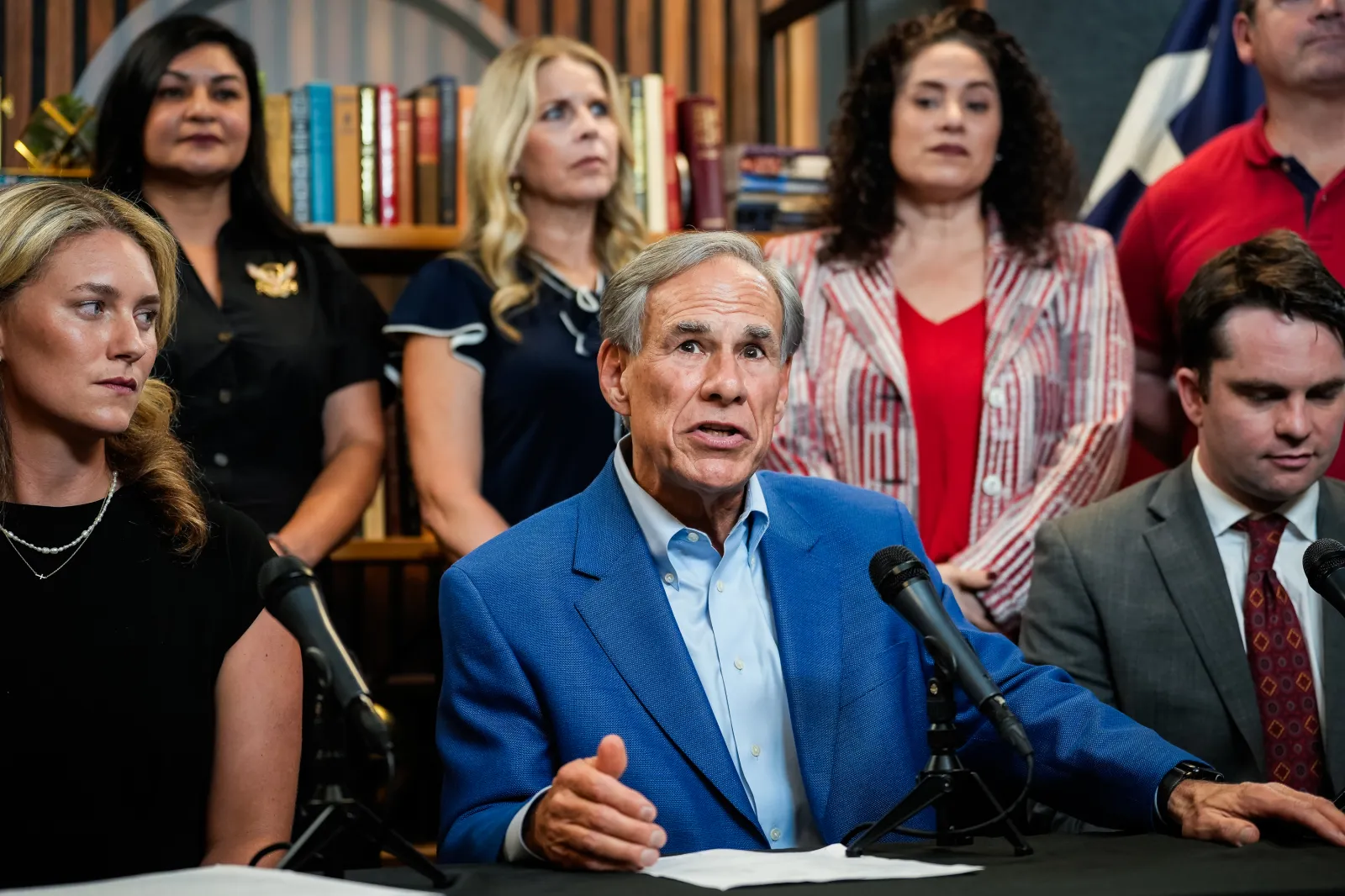
Earlier this month, Abbott announced that his state would halt approvals for proposed data centers seeking connections to the state grid while regulators conduct a comprehensive audit. The review will examine developers’ expected electricity and water consumption, cooling systems, tax incentives, ownership and efforts to mitigate impacts on surrounding communities.
Abbott said projects that fail to meet the state’s requirements should be denied connections to the grid.
“Governor Abbott’s top priority is to protect Texans’ safety and quality of life and ensure the integrity of our power grid and water supply. Many are unaware that ERCOT [Electric Reliability Council of Texas] is tracking a more than 500 percent increase in peak electricity demand. This unprecedented growth could endanger the reliability and stability of the Texas electric grid,” Abbott’s press secretary Andrew Mahaleris previously told Newsweek.
He said Texas law requires data centers to report their power and water usage, but fewer than 10 percent were in compliance.
“The Governor’s pause requires data centers to provide PUCT [Public Utility Commission of Texas] and ERCOT with the required information for them to make fully informed decisions. Simply put, Texans must come first,” Mahaleris added.
President Donald Trump criticized Abbott’s decision to pause approvals for new data centers, calling the move a “mistake.”
“I saw Texas the other day sort of is against data centers,” Trump said in a nearly hourlong interview with Punchbowl News earlier this month. “I think it’s a mistake. And I’m not taking positions, I just think it’s a mistake, because there are other communities that want it. When a community wants it, it means a lot of money is going to come into that community.”
During a recent interview with Fox News’ Night with Trace Gallagher, the president said that “any community that turns down AI is making a big mistake because your taxes are going to go way down.”
He added: “If you own a house, it’s going to be more valuable. It’s a tremendous thing. It’s almost like there’s a campaign against data centers. But data centers, if you look at the stats, everything’s good around them.”
However, Abbott’s pause does not amount to a blanket ban on all data centers in Texas. It primarily affects proposed facilities seeking connections through the state’s electric grid, while some projects with their own power generation may be able to avoid the traditional grid-connection process.
Where Data Centers Are Being Built
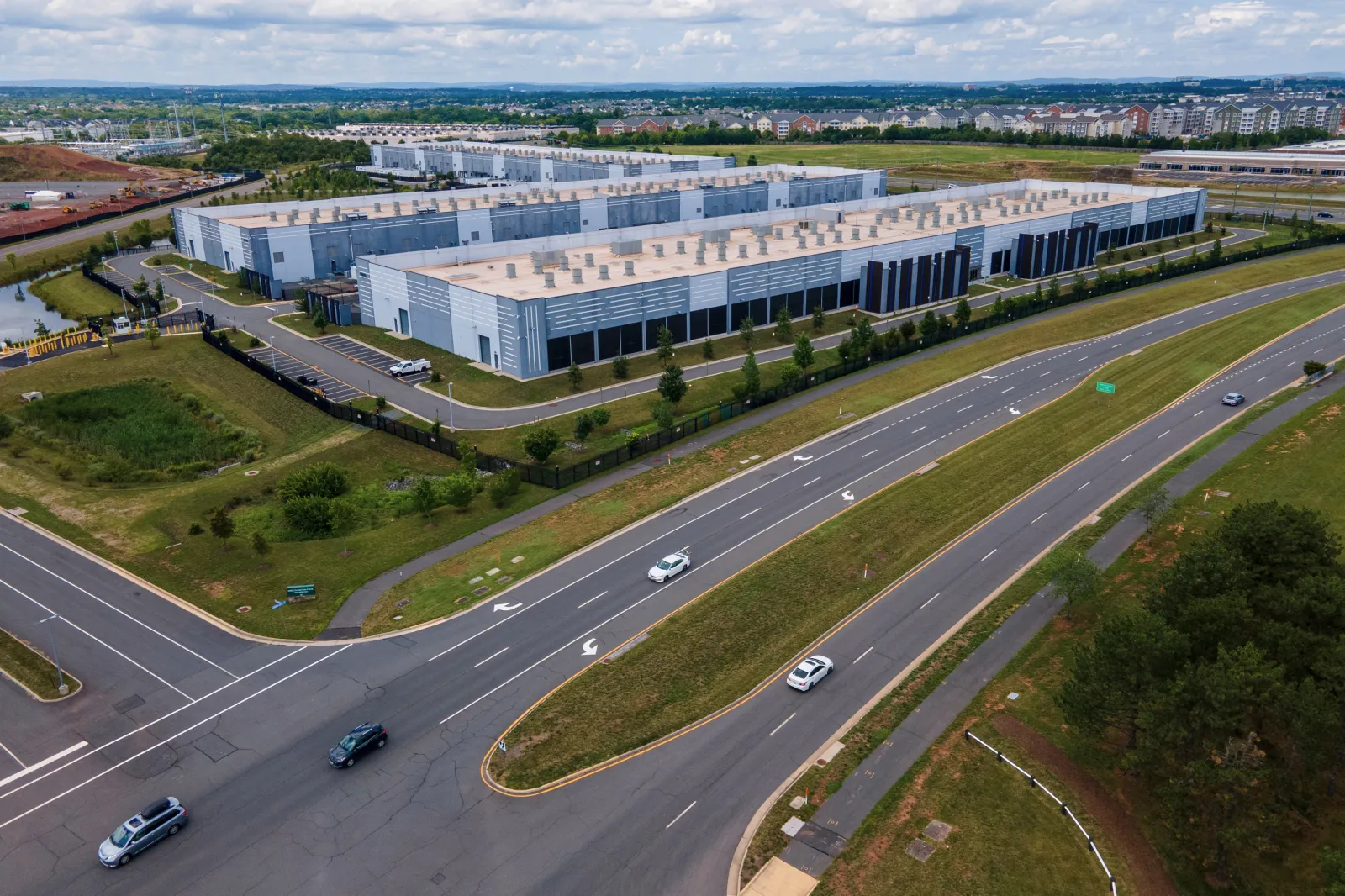
Texas has become one of the nation’s leading destinations for data center construction, with projects spreading from major metropolitan areas to smaller communities.
On Sunday, Abbott pointed to a Meta-linked project in the El Paso area as an example of ongoing investment. He noted that the facility sits outside the state’s main power grid and said the company had indicated it would comply with the state’s new guidelines.
The governor previously described Texas as the “epicenter” of the AI industry, reflecting the state’s efforts to attract technology investment through abundant land, business-friendly policies and energy infrastructure.
Across the country, major data center developments have also been concentrated in states such as Virginia, Arizona, Georgia and Ohio, where companies are seeking land and access to power to meet growing AI demand.
 Where Data Centers Are Being Blocked or Restricted
The governor framed his pause on new data centers as a response to mounting public complaints and said local approval is now essential for companies hoping to operate in Texas.
“If you’re a data center and you want to operate in Texas, you have to first get the approval of those in local communities,” Abbott said on Sunday.
According to a July 2026 tracker from the National Conference of State Legislatures (NCSL), states with active or recent efforts to restrict, pause or temporarily ban data center development include Delaware, Georgia, Michigan, New York, Pennsylvania, South Carolina, Vermont and Virginia. Several other states, including Minnesota, New Hampshire, Maryland, Oklahoma, South Dakota and Wisconsin, considered similar legislation that ultimately failed or stalled.
The most significant action came in New York, which became the first state to enact a statewide moratorium on large new data centers, pausing certain projects while officials study the impacts.
The restrictions come as local governments and residents in a number of states have increasingly challenged proposed facilities through zoning disputes, public hearings and development reviews. Abbott suggested the backlash has been driven not only by concerns about infrastructure but also by developers’ failure to build trust with the communities where they planned to operate.
What Polling Shows About Data Centers
A June 2026 survey from Echelon Insights found that voters opposed building an AI data center in their community by a margin of 62 percent to 27 percent. Even after respondents were shown additional messaging about economic and technological benefits, opposition remained at 58 percent.
Just as notable was what voters appeared willing to accept instead. In the same survey, more respondents said they would support building a nuclear power plant in their community than an AI data center.
According to Echelon Insights, support for a nuclear plant stood at 34 percent, compared with just 27 percent for an AI data center, while opposition to nuclear facilities was lower than opposition to data centers.
A Reuters/Ipsos survey in June found that 57 percent of Americans would oppose a data center being built in their community, with just 14 percent comfortable living near one. A Gallup survey conducted earlier this year found that around seven in 10 Americans oppose the construction of local data centers, highlighting a growing gap between national demand for AI infrastructure and local acceptance.
Meanwhile, 63 percent of U.S. voters oppose AI data centers being built in or near their community, according to a July poll by Emerson College, up 21 percentage points from when the question was last asked in December 2025.
Contact Newsweek editors for this story: Steve Mollman and Anthony Murray.