
This month, as part of the Globe’s “Mass. Mojo” series examining the challenges facing the Massachusetts economy, reporter Diti Kohli detailed how colleges and universities are turning “what were once career jobs into de facto temporary positions they can cycle in and out as the budget demands.”
The result: higher ed employment in the state inched lower last year, the first decline since 2018 except for the pandemic year of 2020.
Get Trendlines
A business newsletter from Globe Columnist Larry Edelman covering the trends shaping business and the economy in Boston and beyond.
But the turmoil poses another, harder-to-quantify downside for the region’s economy. Trump’s cuts to federal research funding, along with new restrictions on student loans and international student visas, threaten to shrink the pipeline of highly educated graduates that has long given Massachusetts a competitive edge over other states.
The Legislature, par for the course, doesn’t seem overly concerned. For more than a year it’s been weighing a $400 million bill filed by Governor Maura Healey to support higher ed research.
Why it matters: Massachusetts plays an outsize role in national research and development.
For every 1,000 Massachusetts residents, 52 work in the R&D ecosystem, the highest per-capita level in the country, according to a report earlier this year by the Donahue Institute at UMass Amherst.
Many of those workers were educated at local schools, and the state’s ability to retain them is crucial to maintaining a top-notch labor force.
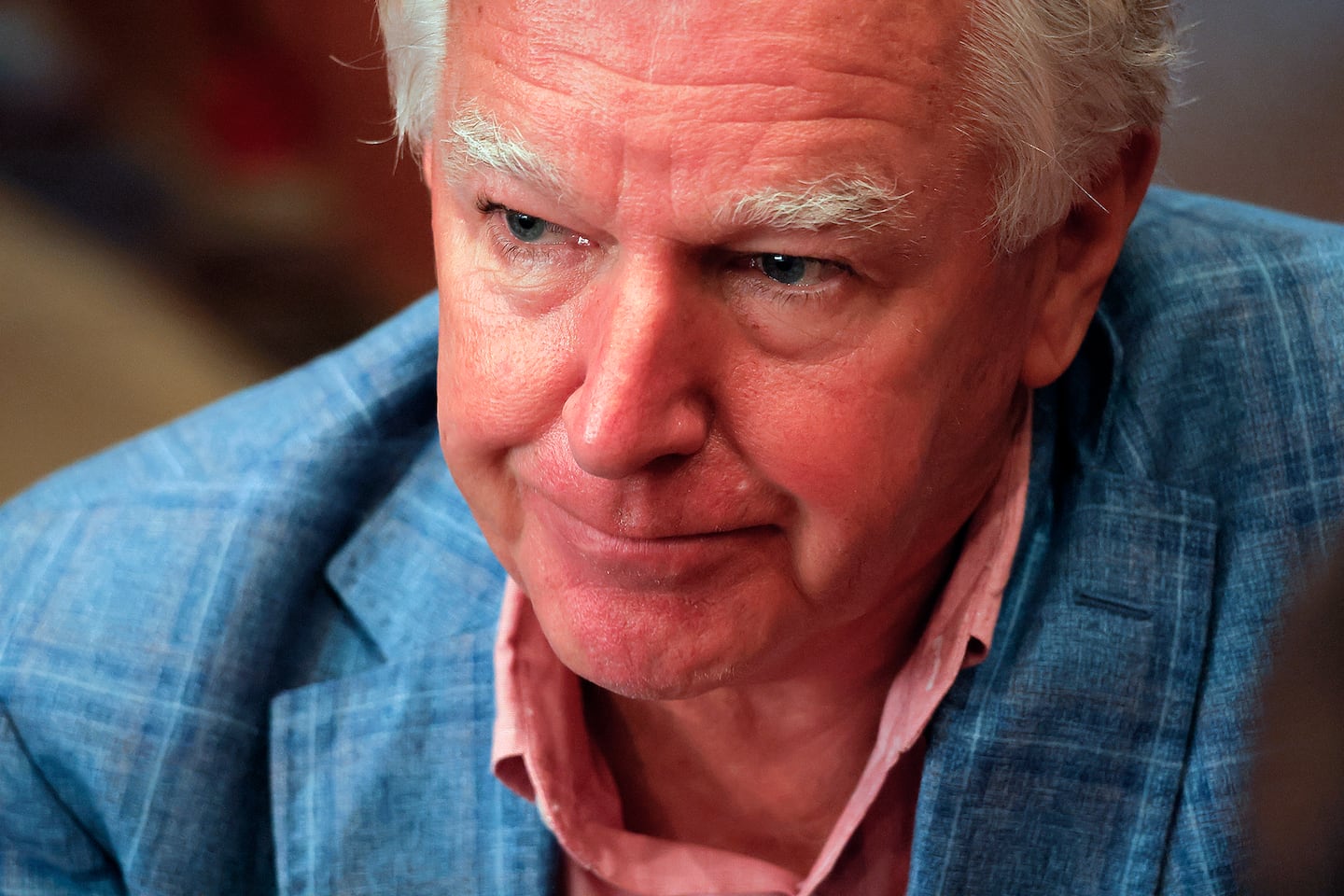
“You need to produce highly competent graduates, particularly in [science, technology, engineering, and math] that can fill the jobs that Massachusetts needs,” Marty Meehan, president of the University of Massachusetts system, told me.
The US Census Bureau estimates that domestic outmigration from Massachusetts is largely driven by 25–34-year-olds. Preserving federal research funding and creating more opportunities for graduates would help keep them in the state’s workforce.
Catch up: The legal fight over research funding cuts has been messy, creating chaos for schools and other research organizations.
The White House plan to reduce allowable overhead expenses — which typically cover 25 to 45 percent of a grant — to 15 percent was blocked in court, and Congress largely rejected the president’s proposed National Institutes of Health budget reductions.
But the Supreme Court last August affirmed the administration’s authority to eliminate more than $780 million of NIH grants in areas it didn’t like, such as diversity, COVID, and transgender health. Now, Trump is pushing a proposal that would require all federal grants to be approved by political appointees and “demonstrably advance the president’s policy priorities.”
Local angle: At the NIH, 722 out of 820 Massachusetts grants have been restored after initial cancellations that began last year, according to Grant Witness, which tracks funding flows.
But Grant Witness data show a 23 percent drop in NIH grants in the current fiscal year compared with an average of the same period in the prior four years.
Wait, there’s more: The One Big Beautiful Bill Act included broad changes to the federal student loan system that could make borrowing more expensive and discourage some people from attending college or grad school.
Two provisions of particular concern to Massachusetts schools: new loan caps for graduate and professional students — which a federal judge blocked in June — and elimination of a program for that allowed them to borrow without limits.
Last month, the administration changed a longstanding policy for international student visas, limiting how long students can stay in the country without approval from the federal government. The move has been challenged in court.
“It’s a terrible policy,” UMass’s Meehan said. “Our university and the Massachusetts economy rely heavily on international students.”
Inaction: Healey’s bill would ease some of the pain caused by Washington.
Half the $400 million from the Discovery, Research and Innovation for a Vibrant Economy Initiative would go to support research at hospitals, universities, and independent research institutions, while the rest would go to public colleges.
Lawmakers cut Healey’s so-called DRIVE request in half and tucked it into a big economic development package that is still being hashed out in conference committee as the formal session winds down.
“I think too many folks in Massachusetts don’t understand the economic impact [of Trump’s policies] on our research infrastructure in the state,” Meehan said. “They don’t see the urgency.”
The UMass Chan Medical School would be a likely beneficiary of the DRIVE money.
Final thought: The Legislature’s complacency is dangerous.
Other states are hitting the gas to make their economies more competitive. Last November, Texas voters approved a ballot measure committing $3 billion to brain disease research over the next decade. Similar measures are under discussion in New York and California.
To be sure, the research funding picture could improve dramatically after Trump leaves office. But as we’ve already seen, he can cause a lot of damage in a short period of time.
Larry Edelman can be reached at larry.edelman@globe.com.