
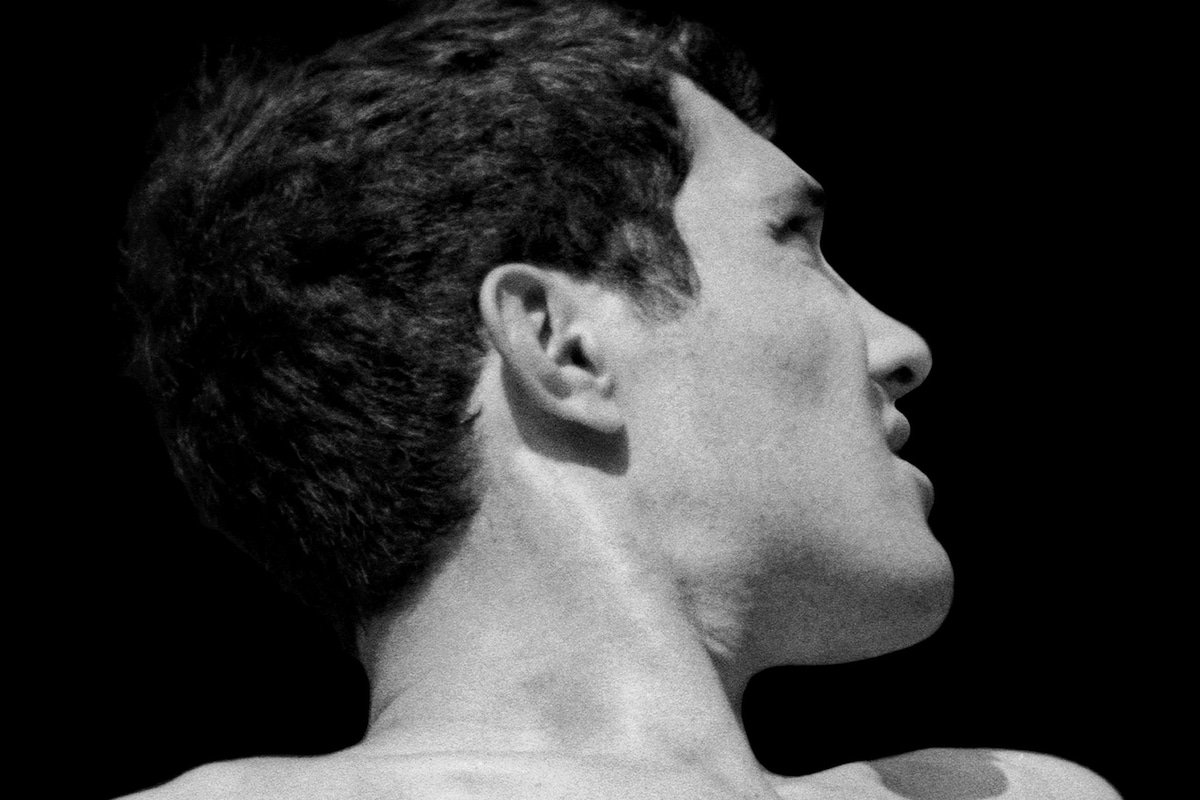
Bérangère Fromont, République
Gallery / 12 images
From jubilant World Cup celebrations and LGBTQ+ pride commemorations to marches in solidarity with the Yellow Vests, Black Lives Matter and #JeSuisCharlie movements, the Place de la République is where Parisians have been gathering to protest, cheer and mourn for well over a century. Yet in her République series, photographer Bérangère Fromont turns away from the political protests and the spectacles of dissent. Instead, she trains her lens on a community just as integral to the square – one that embodies a more ambiguous kind of resistance.
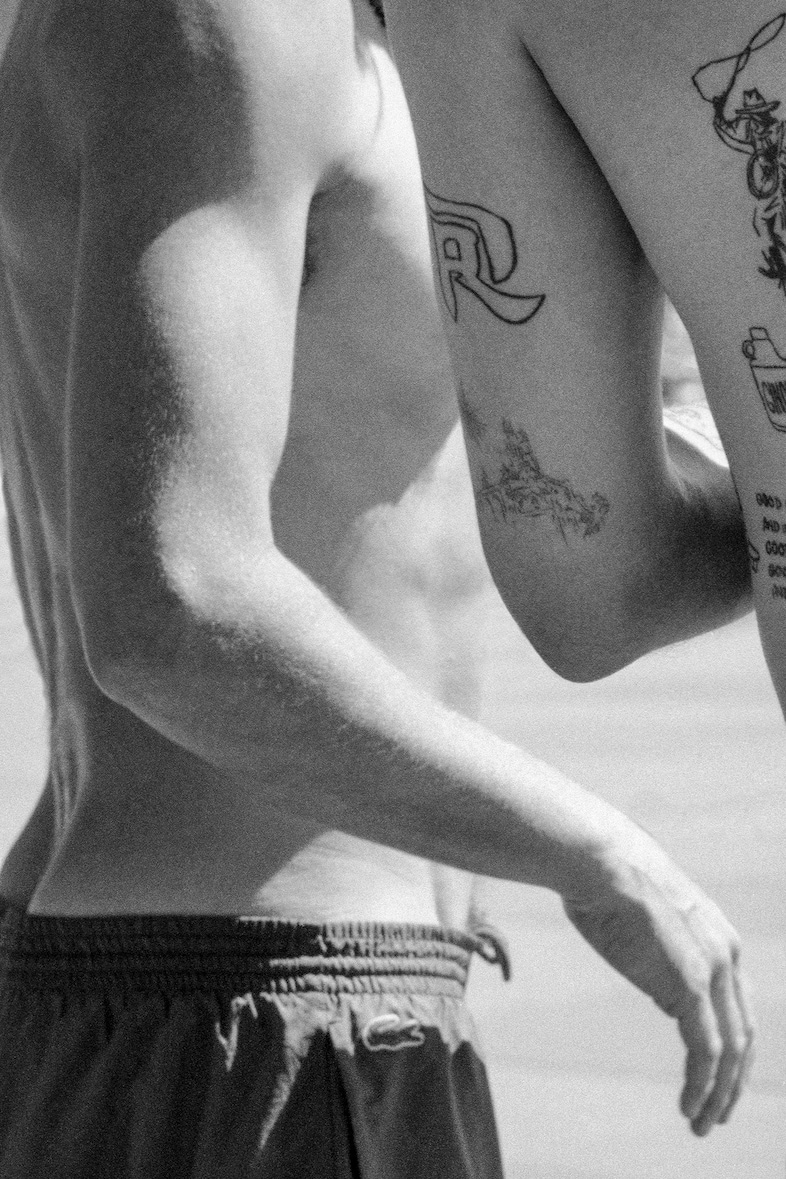
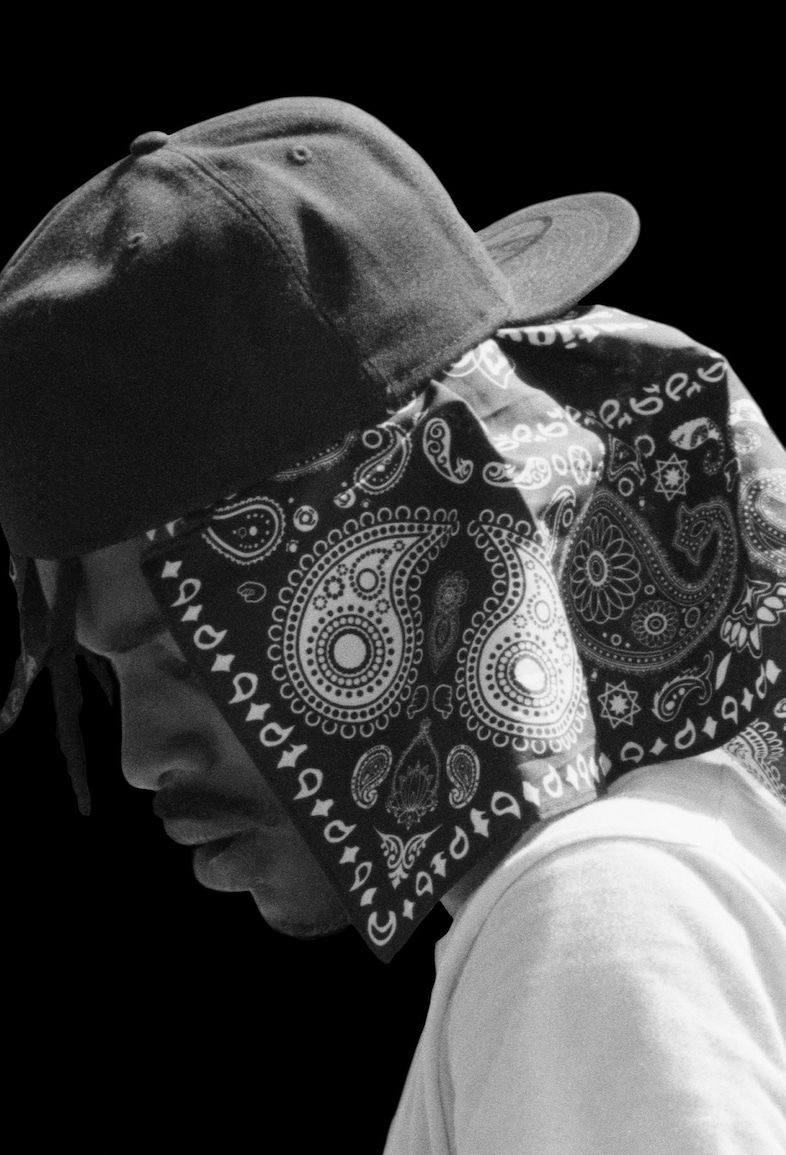
In Fromont’s tightly framed, chiaroscuro portraits of the young skateboarders who’ve called dibs on its many ramps and curbs, the gathering spot transforms into a dramatic stage where meditative faces and bruised torsos bathe in the French capital’s harsh summer light. “Spending time there, I quickly realised they are its main inhabitants, in that they’re always present, no matter what’s going on in the city or the world,” Fromont tells Dazed, adding that she initially set out to portray the place, not the skateboarders. “I call them the Princes of the Square – as boys vastly outnumber girls – because they have this performative side where they’ll show off a little for the daily passersby who snap pictures of them.”
The notion of resistance, both individual and collective, has been a recurring thread throughout Fromont’s body of work, most recently in L’amour seul brisera nos cœurs (2022), intended to make up for the under-representation of lesbian love in art history, and Except the Clouds (2018), about the turbulent revolts that rocked Athens and left residents contemplating a world in ruins.

 Photograph Bérangère Fromont
In République, resistance is conveyed via the figure of the young skater throwing himself into the unknown, apprehensive about what comes next, and in the act of repurposing public structures for playful, non-commercial pursuits. Also, according to Fromont, resistance comes in the radical possibility of softness itself. “Given all the uncertainty youths currently face about the future, choosing gentleness is a radical act,” she explains. “They’re not raising their fists or shouting slogans. They’re engaged in a quieter, more poetic kind of resistance, expressed by their lifestyle. I was really drawn to that.”
Fromont’s portraits recall the work of time-honoured chroniclers of adolescence such as Gus Van Sant and British photographer Paul Graham, whose End of an Age series encapsulated the fragile and at times solitary moment when youth begins to slip away. “I wanted my pictures to evoke [the skateboarders’] grace and vulnerability. There’s something moving about their visible scars and melancholic gazes, while at other times their posture suggests nonchalance and self-assuredness. That contrast really rang true to me.”
A key difference between Van Sant and Graham lies in Fromont’s total eschewal of posed portraiture. Her labour-intensive process involved shooting under the blazing sun with a hefty medium-format Mamiya film camera. She also opted for a 50 mm lens, taking fairly wide-angle photographs she would then crop in post-production to isolate and enlarge compelling details. “Physically and mentally, it was quite the ordeal,” she says, explaining why the analogue-only project took three years to complete. “To return every day in 40-degree weather with four kilos on my back, when it had been two weeks since I last captured anything good, was a struggle.”

 Photograph Bérangère Fromont
She compares her “failure-plagued” process to that of the skaters, who often accumulate intense wipeouts and faceplants before successfully landing a trick. “As a photographer, all these variables – sunlight, subject movement, camera mechanics, sheer luck – need to align, and the same goes for them,” she explains. “They need good technique, smooth ground, grit and a moment of grace to nail their manoeuvres. Otherwise, they dust themselves off and try again. That mindset speaks volumes about this generation, and it ultimately fuelled my persistence to keep returning to the square.”
Fromont doesn’t shy away from expressing her admiration for the pensive skaters and young onlookers who fill her frames. The way her stark light sculpts their expressive features feels like a natural extension of the square’s bronze figures and stone statues watching over them – something she acknowledges was deliberate. “I sought such visual harmony in my selection of images,” she recalls. “To draw out that kind of timeless, marble-like quality in the faces and bodies. It’s my way of saying that this beauty really exists. It’s not fabricated; I simply captured it.”
République is published by Chose Commune and is now available here. An accompanying exhibition will show at the Institut pour la Photographie, Lille, from 18 September 2026 to 16 January 2027.