
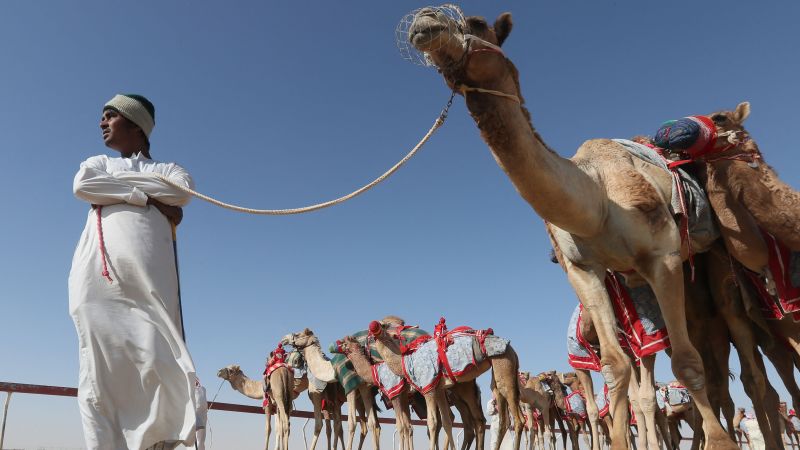
Al Ain in the United Arab Emirates (UAE) is known for its camel market. Every day, tourists pose for photos with the humped herbivores, as traders from across the region haggle and strike deals.
Now, a new kind of camel trading is happening in Al Ain. In late 2024, the startup Hign Al Khaleej, which roughly translates to “Gulf camels,” launched a digital marketplace for buying, selling and auctioning camels. It had more than 15,000 users across its app and web platform by 2025, its founder and CEO Jaber Al Ahbabi, tells CNN.
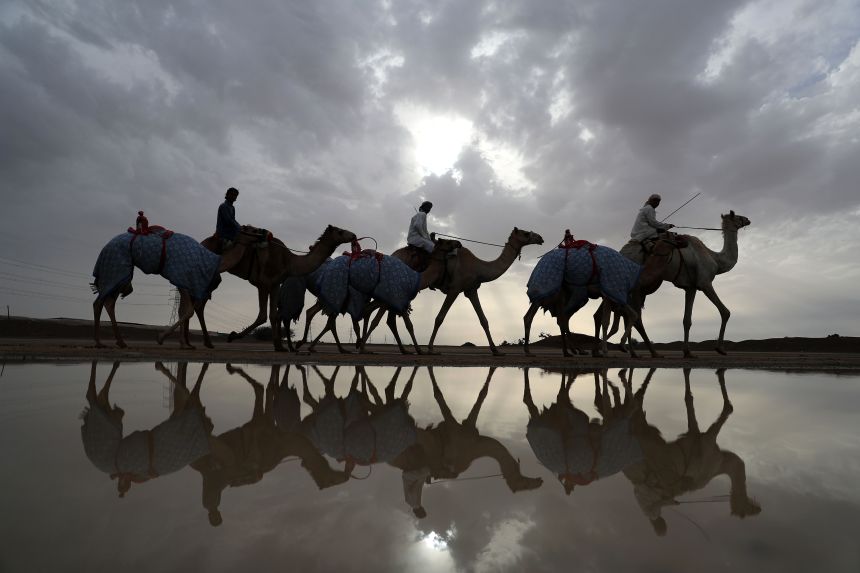
For centuries, camels have been an important part of life across the Gulf, providing transportation, meat, milk, leather and wool. The animals are still revered today, and the emirate of Abu Dhabi, where the city of Al Ain is located, has a camel population of about 500,000.
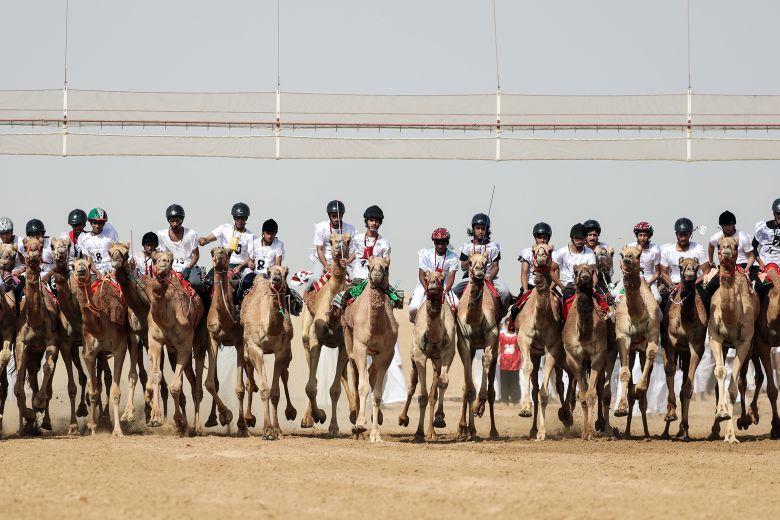
Camels are a big draw for tourists, who visit camel markets like Al Ain, or ride camels on desert tours. But they’re mostly used for milk production, camel racing — a popular sport across the Gulf — and camel beauty pageants.
A victory in a prominent race or pageant can earn the winner significant prize money. For example, AED97 million ($26.4 million) is up for grabs for beauty competitions at this year’s Al Dhafra Camel Festival in Abu Dhabi, which will be held from late October to mid-January.
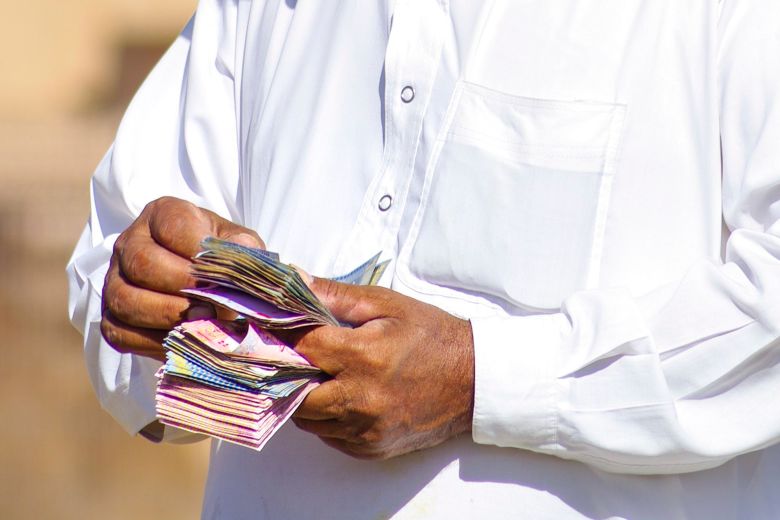
That creates a vibrant marketplace for the animals, who are today mostly sold at markets, auctions and via private sales. They can fetch big bucks. At a 2025 auction in Abu Dhabi, 15 camels were sold for a combined AED1.77 million ($500,000). One camel went for AED500,000 ($136,000) following an intense bidding war, according to local media. Some elite camels have been bought and sold for millions.
Al Ahbabi, whose family owned and raced camels when he was growing up, says that the camel trading market is ripe for disruption. The process isn’t cost- or time-efficient, he says. “It’s a traditional activity deeply rooted in our history and culture, so the system to buy and sell camels is quite old school.”
For a seller, offloading a camel can involve transporting the animal in a pickup truck over a long distance to meet potential buyers without the guarantee of a sale, says Al Ahbabi, a former government employee, who now works on the app full-time.
Potential buyers face long travel times too. To get a camel from Saudi Arabia, they might have to fly there to check out the stock without much advance information. And camels are generally kept and sold in desert areas outside of cities.
Trading camels had become too expensive and complicated for many buyers and sellers, he says.
He hopes to change that with Hign Al Khaleej. Today, there are about 3,300 camels listed for sale on the digital marketplace. They’re located in the UAE, Saudi Arabia, Qatar, Oman and Kuwait.
The listings include information about a camel’s age, breeding and medical history. It requires users to input their phone and government issued identification number — providing basic vetting of who is involved in the transaction.
The app puts “everything a camel buyer or seller might need in one place to keep it as safe and efficient as possible,” he says.
Despite the traditional nature of the industry, Hign Al Khaleej has grown quickly. About 3,000 camels have already been sold on the app. Users can also buy camel food and medicine and find camel-related jobs on the app, including roles as trainers and shepherds.
Initially, Al Ahbabi was hesitant to take on outside investors, because he didn’t have experience in the tech industry and didn’t want to take on loans. But now that the business has experienced so much organic growth, he’s excited about working with investors to help it expand.
In May, Hign Al Khaleej was announced as one of 17 Al Ain firms selected by tech ecosystem, Hub71, and the Khalifa Fund for Enterprise Development to partake in a three-month startup development program. At a demo day for the program in July, the startup won third place, securing AED40,000 (about $10,000) of in-kind support.
Al Ahbabi hopes to grow the company into the top marketplace for anything to do with camels.
“I want anyone who has an interest in camels, and for anyone who wants a camel or anything for camels to go straight to Hign Al Khaleej,” he says.
Mayssa Mansour contributed to this report.