
Digital subscribers can listen to this article.
Subscribe today for unlimited access to Texas Monthly. Already a subscriber? Log in.
Some staggered through the hospital’s doors, arriving at all hours of day and night. Others were wheeled in on gurneys, their bodies having given out before they could reach the emergency department. Many had collapsed at work—while painting houses, stapling shingles, or paving roads. All had been born in Mexico or Central America, and most complained of a crushing fatigue they could no longer ignore.
Routine blood analyses revealed the cause: kidney failure. They would need dialysis three times per week just to stay alive. What puzzled doctors most was that they didn’t resemble typical dialysis patients, who are older and have long histories of obesity, diabetes, or hypertension. These were otherwise healthy young men.
For more than a decade, the plight of these patients has haunted Ricardo Nuila, an internist at Houston’s Ben Taub Hospital. He saw them almost daily, greeting them with the warm smile that lends his dark eyes their inner glow. The smile hid his quiet grief. He feared that these men would die far too early, their kidneys having given out for reasons no physician can ascertain.
Nuila wasn’t alone in his concern. Doctors at Harris County’s other safety-net hospitals reported seeing much the same. But Nuila got a hint about what might be happening while visiting El Salvador, where he’d spent his childhood summers with family. The country was dealing with a deadly epidemic that affects vast numbers of sugarcane cutters on plantations throughout Central America. It’s known as chronic kidney disease of unknown origin—CKDu—or as Mesoamerican nephropathy. Kidney diseases are among the leading causes of death in El Salvador, where dialysis is not widely available.
Researchers had found signs of CKDu outside Central America, including in Sri Lanka, India, and Nepal. But it had never been documented in the United States. If the men arriving at Ben Taub were experiencing CKDu, Nuila worried that he might have been witnessing the first wave of a coming tsunami of kidney failure and death—with Texas at the center.
Epidemiologists disagree on exactly what causes CKDu, although studies have consistently identified physical labor in extreme heat as a contributor. A 2019 article in The New England Journal of Medicine called it “a sentinel disease in the era of climate change.” But studies of CKDu have been especially challenging to execute because the disease primarily affects marginalized populations.
The possibility that CKDu had arrived in Texas was unnerving, but there was one potential upside. It could offer an opportunity to harness the cutting-edge medical research available in Houston to solve the mystery of CKDu’s origins.
That might prevent young men from being debilitated in the prime of their lives.
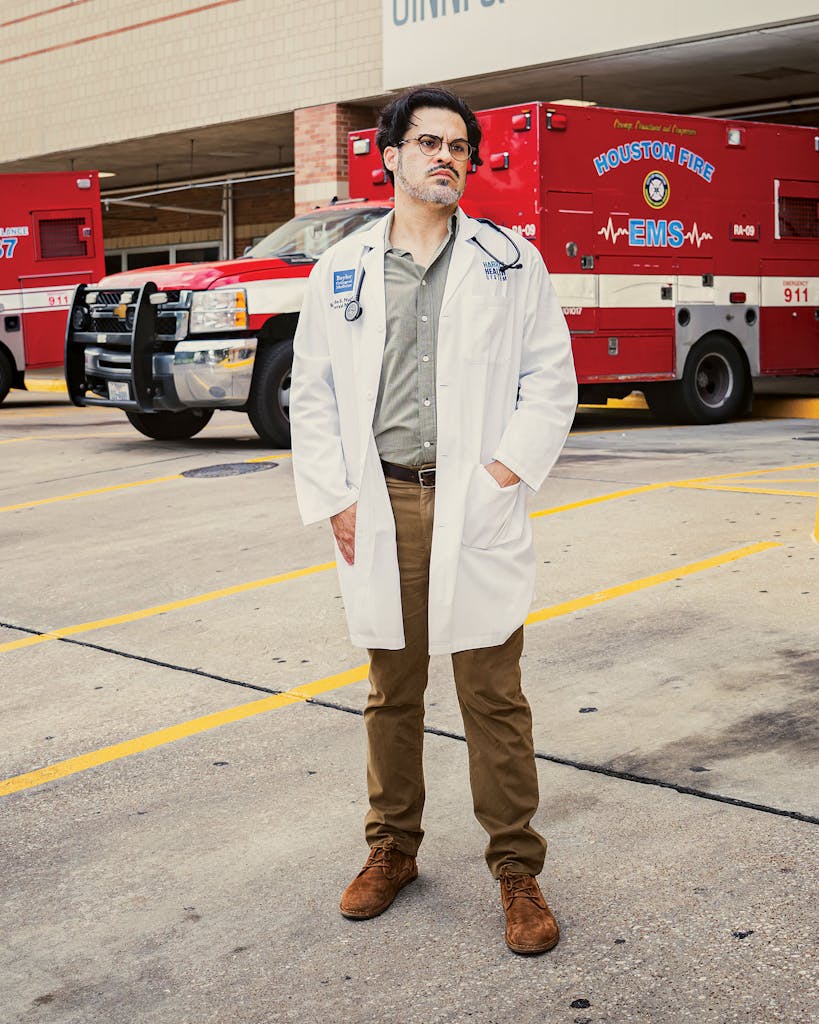 Dr. Ricardo Nuila in the ambulance bay outside Ben Taub Hospital, in Houston, on April 23, 2026.Photograph by Meridith Kohut
Rebecca Fischer looked up from a half-dissected rodent to take in the dense greenery of Nicaragua’s sugarcane fields. She was struck by the beauty of her surroundings—the dark soil, the verdant plant life, the chain of brooding volcanoes standing sentry over it all. The area’s landscape, depicted on the label of the country’s flagship Toña beer, is iconic. Yet alongside this natural splendor existed an unsettling prevalence of death and disease.
The rat lay bloody and spread-eagled on a stainless steel board in front of Fischer. Other dead creatures surrounded her in metal traps. She would carve up their tiny bodies—examining organs and removing tissue—in search of clues about CKDu. As she did, her impromptu necropsy suite provided little relief from the sweltering tropical sun. The hazmat suit she wore for hours each day became a portable sauna. Sweat poured down her back, having long since soaked through her leggings, lightweight tee, and cotton socks.
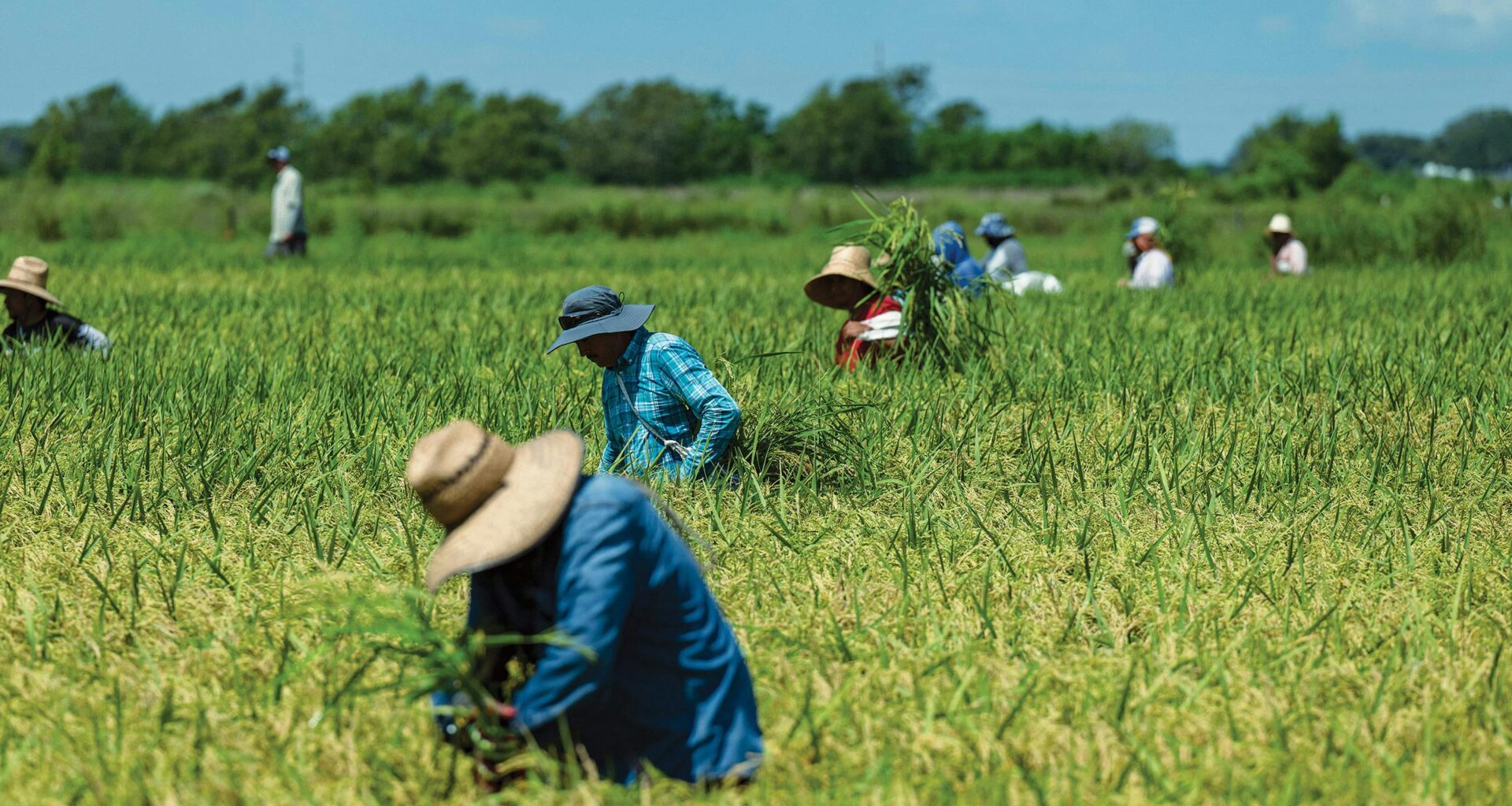
For the epidemiologist, broiling was a small price to pay for the chance to crack the mystery of CKDu. The disease had first emerged on sugarcane plantations in El Salvador in the late nineties. The region’s rich volcanic soil is perfect for the crop, and the industry offers steady if meager incomes to a population that has historically had few employment options. But the labor of cutting down towering sugarcane stalks with machetes for hours at a time is arduous. It causes some workers to perspire excessively.
By the early aughts, doctors had documented CKDu elsewhere in Central America. In western Nicaragua, where sugar plantations abound, so many men died from the condition that the region was nicknamed La Isla de Viudas, the Island of Widows. Coffin making became an in-demand gig in the town of Chichigalpa. In the 2010s locals took to the streets, demanding answers from the government and plantation owners.
No one could explain what was going on. Researchers argued endlessly about potential causes. Some endemic diseases, such as hantavirus and a bacterial infection called leptospirosis, were known to cause kidney failure. Other possible contributors were the dousing of crops with toxic pesticides and the burning of sugarcane before each harvest, which left the ground covered in lung- and kidney-clogging ash. Plus, the local water wasn’t always safe to drink, and workers consumed ibuprofen and other organ-damaging painkillers.
Then there was the heat. The sun pounds down relentlessly on a workforce that performs labor that’s the physical equivalent of running a half-marathon every day. “They’re like Olympic athletes, and they subsist on dirty water and crappy food,” says Jason Glaser, founder and CEO of La Isla Network, an organization based in Washington, D.C., that advocates for the protection of workers from heat-related illnesses.
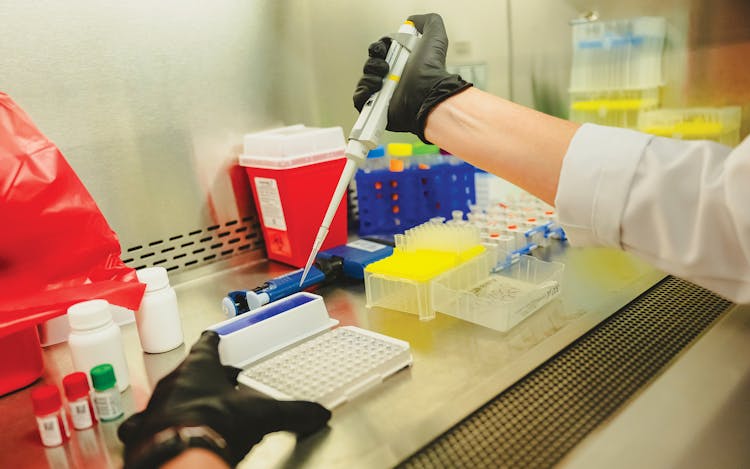 Texas A&M epidemiologist Rebecca Fischer conducting research on blood and urine samples from sugarcane workers in Nicaragua. Photograph by Meridith Kohut
 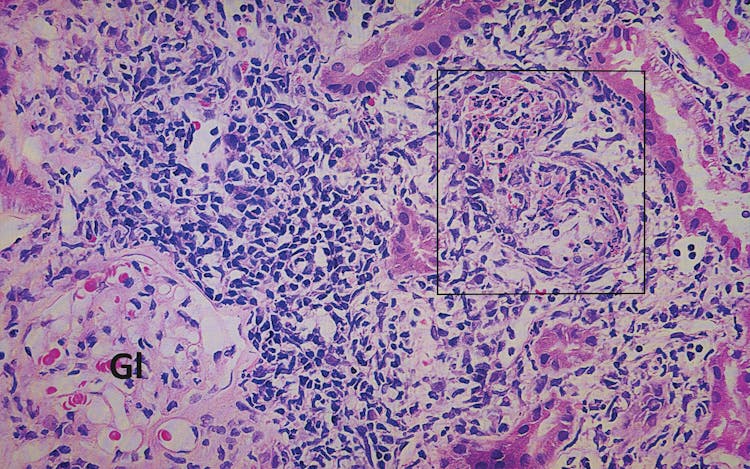 Kidney tissue from a sugarcane cutter with CKDu. Photograph by Meridith Kohut
In 2014, facing media scrutiny and watching their workforce die, sugar-plantation owners in Nicaragua asked Kristy Murray, then an epidemiologist at the National School of Tropical Medicine, at Baylor College of Medicine, in Houston, for help. Murray’s expertise in the neglected diseases of Central America made her the perfect choice.
Murray, who had been Fischer’s adviser, tapped her to lead the effort. That was how several months later, Fischer, with a newly minted doctorate, found herself in the middle of a plantation in Nicaragua. She’d brought the biosafety gear to provide protection if the culprit turned out to be some infectious virus or bacterium or fungus—hypotheses that she initially thought would explain CKDu.
She trapped, euthanized, and dissected hundreds of rodents in and around the sugarcane fields in the hope that they would hold the key. She gathered water and soil samples, as well as blood and urine from sugarcane cutters. Men in Chichigalpa were so concerned about CKDu that they were willing to have samples removed from their own kidneys. One told Fischer, “Take my kidneys. Take everything if you think it will solve this problem.” She secured funds for a handful of men to travel to the capital city, Managua, for biopsies.
Her team also analyzed medical records from the on-site clinic at one plantation. They spent many tedious hours poring over moldy, handwritten Spanish-language papers that documented decades of cases of workers who’d gotten sick, including their symptoms and how they were treated. But the project raised more questions than it answered. They still couldn’t nail down a cause of CKDu. The number of cases varied widely from year to year—could that be related to the area’s volcanic activity? Might repeated low-grade kidney injuries culminate in organ failure? Fischer mused on these and other possibilities as she traveled hundreds of times between Nicaragua and Texas over the following decade.
Much like public debates over climate change, discussions about the role of heat stress in CKDu can be contentious. Some close observers, such as Glaser, have argued that heat alone is sufficient to cause CKDu. His stance has been bolstered by the success of interventions that encourage sugarcane cutters to rest more often in the shade and stay hydrated. Such measures have slashed rates of kidney injury among workers. Yet other experts, including Fischer, aren’t convinced.
Fischer doesn’t doubt that heat is involved, only that it’s the sole cause. She cites findings from studies that were unable to conclusively rule out pesticides, heavy metals, and other environmental conditions as factors. And some of the highest rates of CKDu in Central America are among shrimp farmers, for whom heat stress is far less of an issue than it is for sugarcane cutters. She says high temperatures and dehydration likely amplify kidney damage from other contributors. “I think the role of heat is a complicating factor. It complicates whatever the disease pathology or physiology is,” she says. “I don’t think it’s a disease initiator.”
While Fischer racked up frequent-flier miles, immigration from Central America to the United States was increasing. She knew that some of the immigrants could be arriving in an already-compromised state. She couldn’t shake the possibility that CKDu might show up in Texas.
Or perhaps it already had.
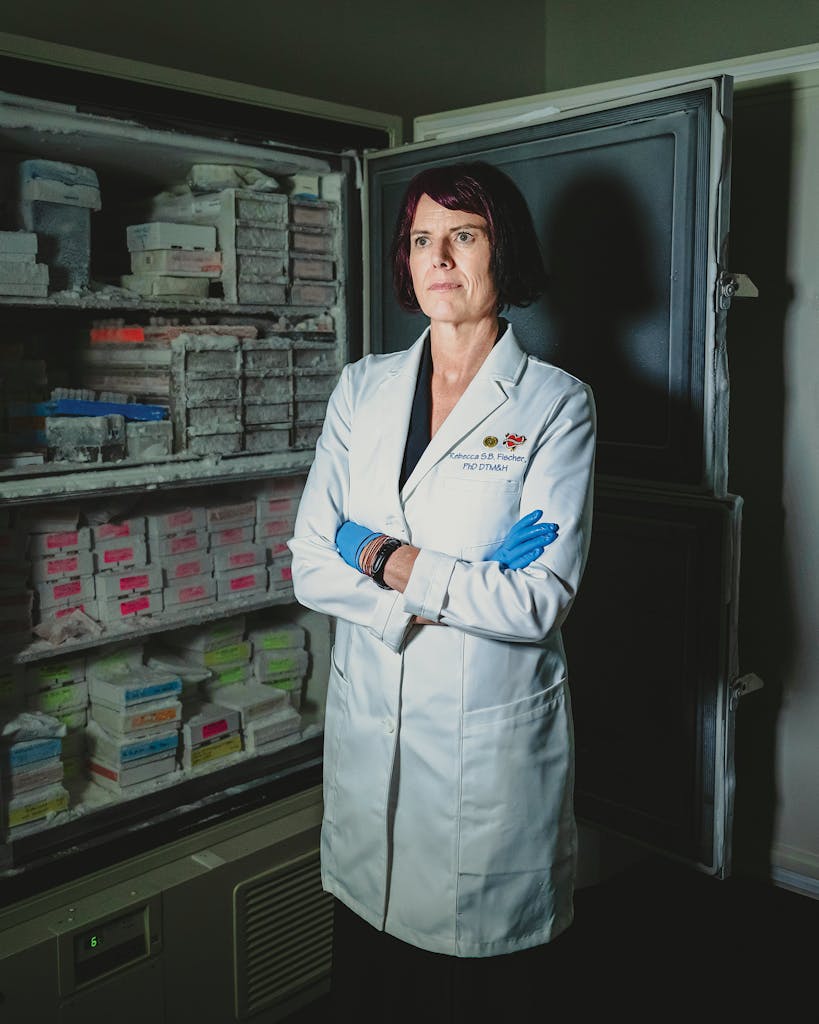 Fischer at Texas A&M, in College Station, on April 17, 2026.Photograph by Meridith Kohut
It looked like Coca-Cola. Workers handed Bethany Boggess Alcauter small plastic cups of their urine hidden in brown paper bags. The transactions happened clandestinely, in fast-food parking lots and other spots near Houston- and Austin-area worksites. Time and again, when the occupational epidemiologist opened the bags, she discovered that the liquid was distressingly dark.
In early 2022, Boggess Alcauter had launched this pilot study to measure hydration and kidney function among Texas construction workers. Like Fischer, she had come to suspect that CKDu might be present in the state. Her public health background led her to look where kidney failure might still be preventable, among the sorts of laborers most at risk before they began showing up at hospitals.
Experts couldn’t agree on whether dehydration was a proximate cause of CKDu, but most believed it played a role in the illness. Boggess Alcauter was expecting to find mild dehydration at the ends of shifts. Instead, she was alarmed by the darkness of the urine samples collected before the men had even begun the day’s work, which suggested severe dehydration.
Terrified that one of these laborers would end up in the emergency room or worse, “I basically ruined the study,” Boggess Alcauter says. She would immediately begin pressing participants to drink more water. Many ended their shifts better hydrated than when they began.
Dehydration is a fact of life for these workers, a 48-year-old originally from Honduras told me. Candido Alvarez hangs drywall and performs other construction labor in the Houston area, where he has lived for the past decade. Work conditions are often sweltering, without air-conditioning. Alvarez knew that frequent thirst wasn’t good for him, but he couldn’t do much about it. His bosses severely limited water breaks, even on the hottest days. He didn’t complain. He simply lived with constant fatigue.
We were introduced through the Houston office of Workers Defense, an Austin-based nonprofit that advocates for immigrant laborers. Alvarez first arrived in the U.S. more than twenty years ago, working in Florida before moving back to Honduras and then coming to Texas. Numerous times during work, he has been plagued by headaches, muscle cramps, fatigue, and cold sweats—the classic symptoms of a dangerously high core body temperature. But he didn’t seek medical attention. He had no insurance, no doctor—no health care at all.
Nor did Alvarez know that such heat exposure could have long-term effects on his health. It wasn’t until he volunteered to participate in a pilot study on heat exposure with a researcher from the Occupational Safety and Health Administration, in the summer of 2023, that he learned of the connection—and that the heat had already begun to affect him. The researcher found blood in Alvarez’s urine, a marker that his kidneys were beginning to struggle. Over time, if nothing changed, he would be on the road to outright kidney failure and dialysis.
He subsequently began to take note of how heat was affecting his coworkers. Headaches and lack of urine production were so common as to go without remark. Ditto for muscle cramps, weakness, and fatigue. He recalled the warning of the OSHA scientist about the dangers of dehydration and tried to drink more water.
State officials either don’t know about the problem or don’t care, says Ana Gonzalez, organizing and advocacy director for the Texas AFL-CIO, in Austin. In fact, legislators recently made it easier for businesses to exploit their laborers. Governor Greg Abbott signed a bill prohibiting municipal and county ordinances that require water breaks and other heat-mitigating measures in June 2023. “The leadership in this state is caving to special interest groups and not protecting workers,” Gonzalez says.
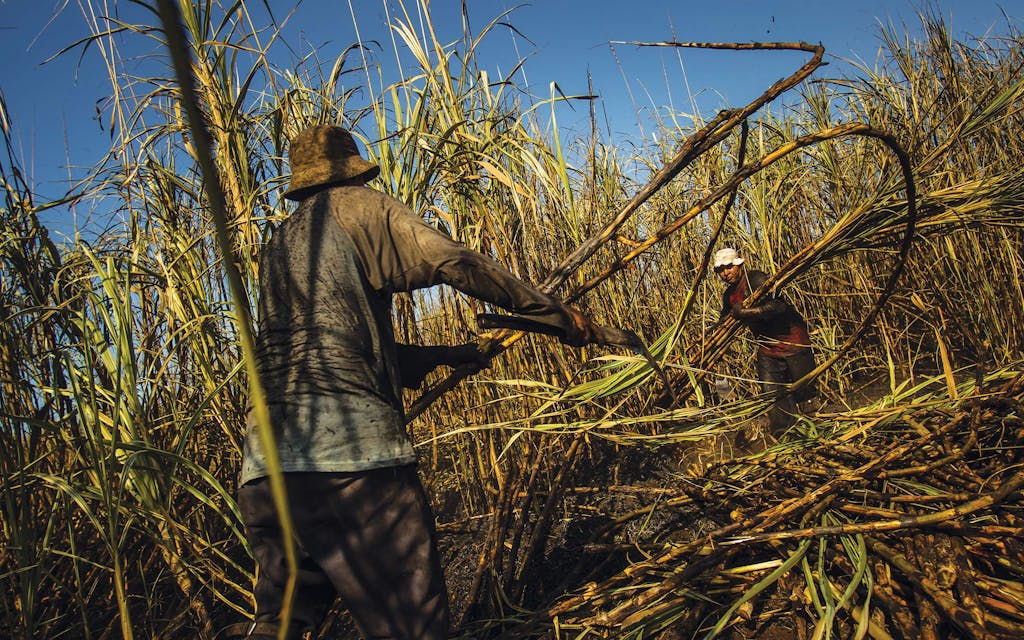 Harvesting sugarcane in Chichigalpa, Nicaragua, is arduous work.Photograph by Meridith Kohut
In the years since Fischer began to worry about the arrival of CKDu in Texas, she’s heard about a host of men like Alvarez through the public health grapevine. To help find ways to combat the disease here, she first needed to prove that it had become a problem in the state. To do that, she needed more than anecdotes.
Leaning back in her desk chair, Fischer seemed undaunted when we met on a sunny spring day in her bright office at Texas A&M University, in College Station, her professional home since 2018. Clad in a black T-shirt, worn jeans, and red Converse high-tops, and with a shaggy bob haircut and dark cat-eye glasses, she looked less like an epidemiology professor than the music major she once was. “It’s such a fascinating medical problem, right? A mystery to solve, and so many people want to solve it,” she said. “We are quite far, still, from understanding exactly what’s going on.”
She recounted some of her frustrations. Fischer’s work in Nicaragua came to an abrupt halt because of COVID-19 travel restrictions, just as she was about to launch more-detailed studies. Postpandemic challenges with funding also slowed her efforts. Then, as she turned her attention to possible incidents of CKDu in Texas, she faced a typical public health paradox: Until she could prove that the disease had become a problem in the U.S., she couldn’t secure grant money for a study. But, of course, the whole point of the study was to prove that CKDu was a growing problem in the country.
She somehow needed to identify and document enough cases of the disease to get broader research funded. She was unlikely to get workplaces to conduct large-scale testing of their employees, especially because so many of the affected workers fear participating in anything that might flag them for deportation. Most migrants also don’t receive regular health care, so finding them through clinics was not likely to yield useful numbers. And government databases containing terabytes of information on dialysis patients largely exclude undocumented immigrants, who don’t qualify for Medicaid or Medicare.
Seeking help, Fischer contacted her mentor, Kristy Murray at Baylor, who in turn contacted Sreedhar Mandayam, then a nephrologist at Ben Taub Hospital. One in eight Harris County residents—roughly 600,000 people—is an undocumented immigrant, which made Harris Health, the county’s public health system, the perfect place to look for CKDu.
Like his colleague Nuila, Mandayam had noticed an alarming proportion of emergency-dialysis patients who were young, often undocumented men from Central America or Mexico. “We and lots of other people were beginning to wonder, ‘Why is this happening?’ ” he says.
Fischer’s study had the potential to answer that question. And though she expected to find some cases, she wasn’t prepared for the scale of the problem.
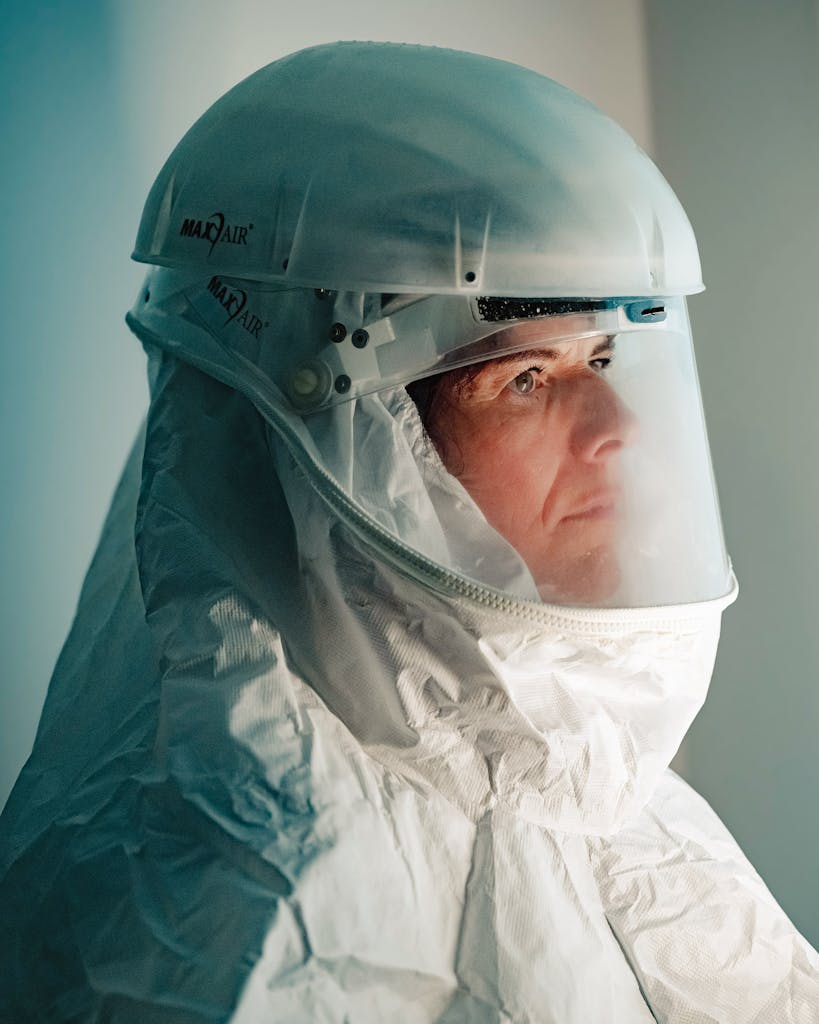 Fischer wearing the sort of protective gear she dons for fieldwork in areas with biohazards.Photograph by Meridith Kohut
Patient after patient lay in hospital beds, huddled under blankets next to a machine the size of a large filing cabinet. Many of the men had arrived pale, weak, and scared. At first, some barely had the energy to speak. Others greeted fellow patients like old friends; they had been receiving treatment together for years. Each had two clear plastic lines snaking out of an arm. One tube carried blood into the device, where a membrane filtered out toxins. Another returned the cleansed blood to their bodies.
A dialysis machine is an anemic facsimile of a living kidney. It works well enough to keep someone alive—barely. Each session takes several hours to remove toxins that have built up in the body over several days.
At Ben Taub Hospital, the treatment room for dialysis patients sits on the sixth floor, far from the chaos and scrum of the emergency room. The machines produce a persistent, rasping drone that’s occasionally interrupted by alarms beeping to warn of blood clots in kinked tubing. Adding to the cacophony is the constant hum of the air conditioner fending off the Houston humidity. Amid all the noise, Fischer and her collaborators knew these men offered them an unprecedented opportunity.
Once a man had been hooked up to a machine, a member of Fischer’s team would pull up a chair and begin asking him questions, almost always in Spanish. They’d inquire about where he grew up, where he lived and worked, what he ate—almost anything they could think of that might have contributed to his condition. Patterns emerged.
Nearly all of the men fit the well-established profile of a CKDu patient—a manual laborer under forty originally from Central America or Mexico. All were presumed to be undocumented. As Fischer reviewed the interview data in College Station, she realized that this cohort had even more in common with those she’d met in Nicaragua.
The men in Houston weren’t sugarcane cutters or shrimp farmers, but many of them had had similar upbringings, raised in rural settings dominated by agriculture. They were likely exposed to similar environmental factors, such as pesticides and pollutants. Also like the Nicaraguans, these men were frightened by the disease and eager for researchers to find the cause. “They are seeing people die in their communities,” Fischer says, “and they know that they could be next.”
CKDu is a diagnosis of exclusion. Physicians know what it isn’t—kidney disease attributed to the usual factors, like hypertension or diabetes—even if they can’t precisely say what it is. And when someone shows up at an ER in need of dialysis, medical staff is typically focused on stabilizing the patient, not determining the cause.
In addition to the interviews, Fischer and her collaborators combed through the medical records of patients who had received emergency dialysis between 2012 and 2015 at any Harris Health hospital. Out of the 346 cases of kidney failure in uninsured or undocumented patients, 17 percent had no readily identifiable cause. That percentage was staggering to the researchers. It suggested that thousands of emergency-dialysis visits in Texas annually may be attributable to CKDu. Worse yet, there was no reliable data on how many of those cases had resulted in death.
 Blood samples Fischer collected in Nicaragua.Photograph by Meridith Kohut
The figures confirmed what Nuila, Mandayam, Boggess Alcauter, and others had suspected: Texas was on the front line of the CKDu epidemic. Now, perhaps, further work to combat the disease could begin. That was at least the early hope.
Fischer’s team published its study in March 2025, and the findings were submitted for peer review at a clinical research journal. Amid a flurry of other catastrophes, such as outbreaks of measles and bird flu, news of CKDu in Texas hasn’t triggered much alarm in the broader medical community. “The population is so vulnerable and has such limited access to health services at all that screening for kidney disease is not on the radar,” Fischer says. “This is a disease of poverty. It’s a neglected disease, in a neglected population, in a neglected part of the world, in impoverished communities that, frankly, many people are not paying attention to.”
The Trump administration’s draconian immigration-enforcement and mass-deportation efforts leave CKDu experts more concerned. The most-affected workers are now even less likely to seek preventive care and less willing to participate in research on the causes and treatment of CKDu. Climate change has Texas summers trending hotter and hotter, while bills proposing regulations to protect laborers from extreme heat have gotten nowhere in recent state legislative sessions. “I’m really worried these people are going to fall through the cracks and die,” says Glaser of La Isla Network.
Fischer’s naturally deep sense of optimism has lately been tinged with more than a hint of political exasperation. Hurdles to studying CKDu in Texas’s immigrant population, let alone finding prevention methods, have increased. In his Ben Taub office, Nuila laments that gathering patients to test interventions is all but impossible. “You hope that your patients have enough stability in their lives to be able to dedicate time to what a study entails, which might be medical visits, blood draws, whatever the study requires,” he says. “That just requires a level of stability that does not seem to be happening right now for a lot of patients.”
Making matters worse, the U.S. Department of Labor axed grants to La Isla Network’s rest, shade, and hydration program, which was developing methods to prevent heat-related illnesses in workers around the world. “We need to get employers to see the reason and the benefits behind treating outdoor workers like they’re athletes, because they’re burning calories like athletes,” says Boggess Alcauter, who’s now chief programs officer at the National Center for Farmworker Health, in the Austin suburb of Buda. She argues that this is an economic imperative in addition to a public health concern. “They’re going to do a lot better in the workplace if they get a sufficient amount of rest breaks and electrolytes.”
Nuila still encounters potential CKDu patients at Ben Taub. What haunts him more than the mystery of the illness itself are the patients who have vanished from his life. The visage that returns to his mind again and again is of a young woman from Honduras. Her kidneys had minimal function left, and diagnostics failed to determine any cause. While documented CKDu cases overwhelmingly involve men, the condition has been seen in women.
This woman’s giant hazel eyes gave her a perpetually questioning appearance, as if her inner turmoil was etched onto her body. Before Nuila could provide answers—before he could connect her to follow-up care, an outpatient nephrologist who could help prolong her kidney function, or community services to help provide nutritious food—she disappeared.
Perhaps she returned home. Perhaps she died. Nuila has no way of knowing. Like CKDu, it’s a mystery that remains, for now, unsolvable.
Carrie Arnold is a public health journalist who lives in Virginia with her husband and two rescue cats. Her reporting on this story was supported by a fellowship from the Alicia Patterson Foundation.
Read Next