
DAVENPORT, Iowa (KWQC) -The cross-border trade war between the United States and Canada reached a fever pitch last week as both nations finalized competing tariff packages, leaving Quad Cities businesses—from auto dealerships to local markets—bracing for potential economic fallout.
The diplomatic trade dispute escalated rapidly following President Donald Trump’s announcement of sweeping tariffs on hundreds of Canadian imports, including critical raw materials such as steel, lumber, and alcohol. These U.S. tariffs are already in effect.
In a swift retaliatory move, Canada unveiled its own list of tariffs targeting hundreds of goods imported from the U.S. Canada’s retaliatory measures are scheduled to take effect on September 8th.
With Canada standing as one of the United States’ largest trading partners, economists and industry experts warn that the escalating trade war could trigger a wide range of domestic impacts, from rising consumer costs to localized job losses.
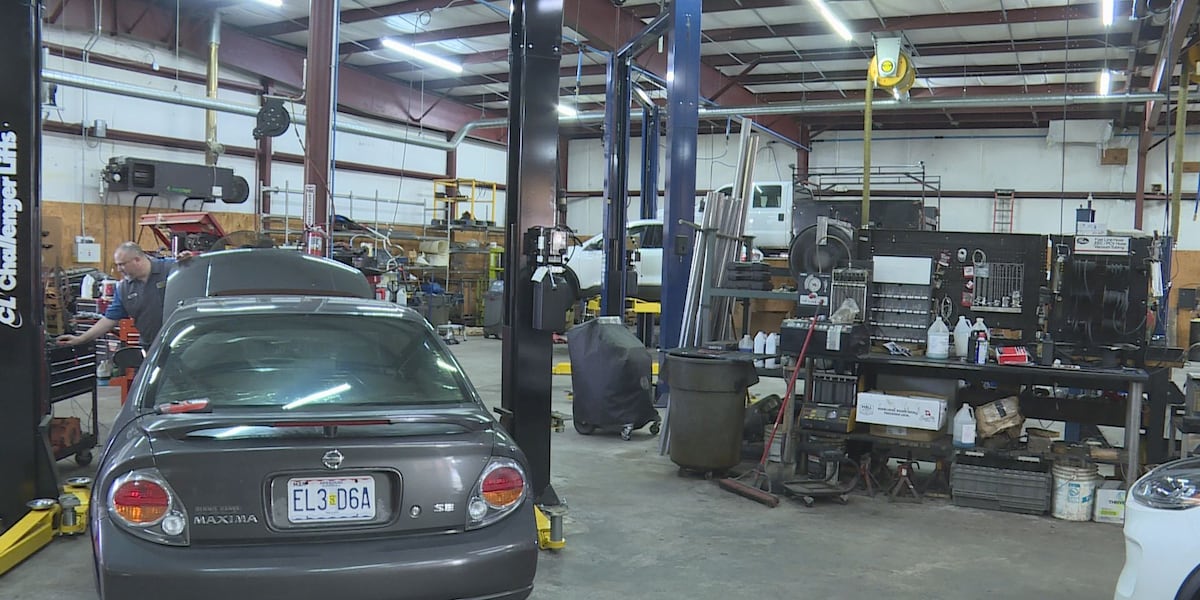
To understand how these international policies could impact the Quad Cities economy, we spoke with Steen Allard-Lawson, a representative from a local Davenport Honda dealership, about the impending challenges.
While dealership representatives do not yet know exactly how much retail vehicle prices could change, Honda maintains a level of structural protection against Canadian import tariffs due to the high volume of manufacturing that occurs directly within the United States.
“Some of the components could go up in price. Honda tries their very best always to kind of hold the line on that,” said Allard-Lawson. “We try not to have huge price increases, obviously inflation can affect things. But in general we’ve always tried to hold the line with our pricing.”
Allard-Lawson noted that automotive brands reliant on importing a higher percentage of foreign parts could see much larger retail price swings. Regardless of where pricing lands as the tariffs take hold, he emphasized that dealerships must maintain complete transparency with their customers.
The upcoming round of Canadian tariffs taking effect on September 8th also targets American seafood exports. Because global seafood markets are highly interconnected, local grocery prices could feel the ripple effects.
“90% of seafood that’s consumed in this country is imported. So, it affects all of us,” explained Dave Serrurier of The Great Midwest Seafood Company in Davenport. “This country, the Gulf of Mexico including shrimp, can only produce 8 to 10% of what we consume as consumers in this country.”
Despite the heavy national reliance on imports, Serrurier does not expect to see significant price increases for shoppers in the Quad Cities Area (QCA).
The Great Midwest Seafood Company’s two most popular products are shrimp and salmon. Serrurier noted that their shrimp prices should remain stable, while their salmon is imported directly from Europe rather than Canada. To bypass potential trade-war-related price hikes on other items, Serrurier plans to pivot sourcing to other unaffected countries.
Copyright 2026 KWQC. All rights reserved.