
EDITOR’S NOTE: Call to Earth is a CNN editorial series committed to reporting on the environmental challenges facing our planet, together with the solutions. Rolex’s Perpetual Planet Initiative has partnered with CNN to drive awareness and education around key sustainability issues and to inspire positive action.
Joel Sartore photographs like he’s running out of time.
The man behind National Geographic Photo Ark, an extraordinary collection of 18,000 animal portraits and counting, is 20 years into a project that stretches beyond the horizon. Four years ago, when CNN last interviewed Sartore, he’d produced 13,000 portraits. Since then he’s added another 5,000. The 64-year-old is speeding up.
“The clock,” he said, “is ticking.”
Sartore’s introspection is, perhaps, unavoidable. “I could see the end of my life at the start of the project,” he said. With well over a million species formally described by science, documenting even a fraction is a colossal feat. Plus, many of his dream subjects teeter on the brink of extinction. Taking their picture is, for both animal and portraitist, a sprint.
The photographer reeled off names: the Javan rhino, the Tonkin snub-nosed monkey, the Bornean bay cat, the Andean cat and the saola — all endangered. Then there’s the great whales — species of mixed fortune, but so big Sartore hasn’t figured out a way to photograph them yet.
Speaking to the Nebraska native via video call from his family’s summer cabin in Minnesota, the sun peeked through the windows. Sartore is upbeat by nature, but the weight of his undertaking occasionally crept in from the shadows.
“I don’t sleep that well at night, you know. There’s a lot going on,” he said. “I’m not tossing and turning all the time about the fate of this or that, but it is very sobering as a guy who loves animals and really hates extinction. It wakes me up.”
Sartore recalled the time he missed the last surviving individual of a species of land snail, living, unbeknownst to him, in Hawaii (he took a posthumous photo of its empty shell). There’s also the melancholy of subjects since lost, like “Toughie,” the last Rabb’s fringe-limbed treefrog, who jumped onto his camera lens mid-shoot in 2013. Three years later Toughie was gone.
“It’s a very profound thing,” he said. “It’s hard to describe. It’s sad and amazing … I know it’ll happen again, but it’s not something I look forward to.”
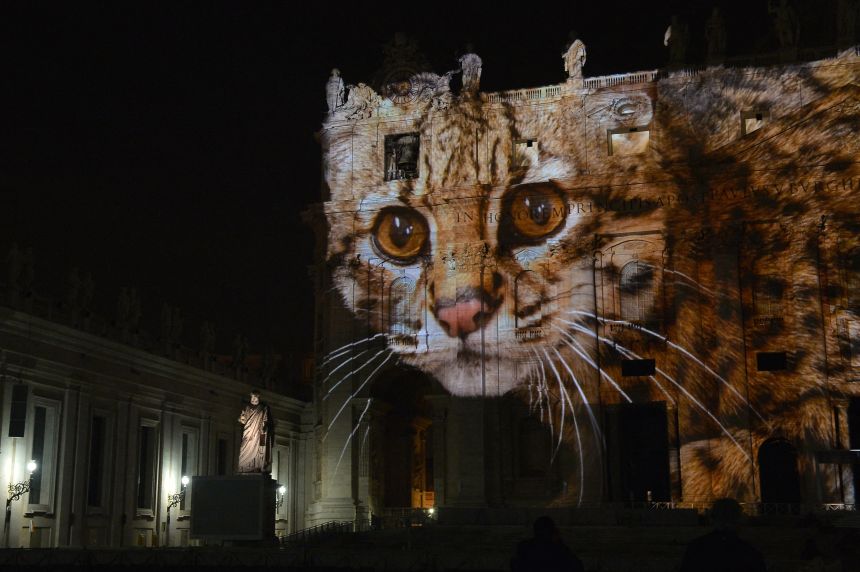
Nevertheless, Sartore insists he and the Ark team deal in hope. The reach of the collection is huge, appearing in magazines, online, social media, even on the side of landmarks like the Empire State Building in New York and St. Peter’s Basilica in the Vatican. And that reach can effect change.
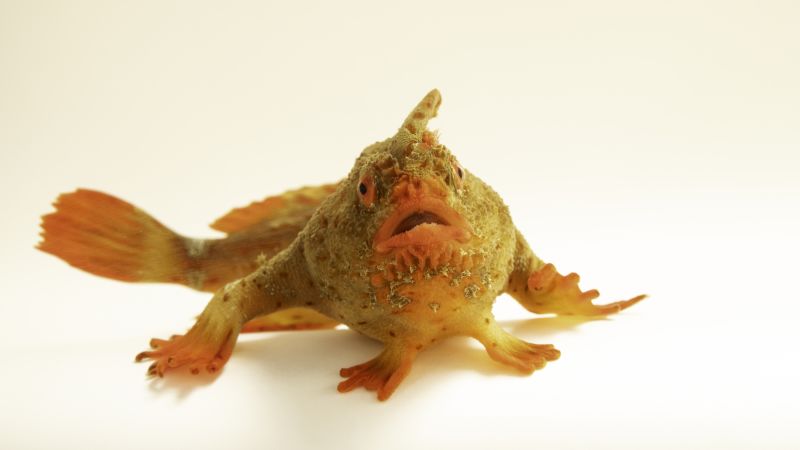
For this reason, the red handfish became the poster child for the Ark’s anniversary year. “It was an animal that needed attention,” said Sartore.
The critically endangered species, which uses its fins to crawl along the ocean floor, is thought to number just 100 adults, all living in two locations on a single reef with a combined area of 8 square kilometers (3.1 square miles) off eastern Tasmania, Australia, according to the International Union for Conservation of Nature.
News of the red handfish came to Sartore via one of the Ark’s taxonomists, who learned of a captive breeding program at the Institute for Marine and Antarctic Studies at the University of Tasmania. “There were more red handfish in a single room … than there are in the wild,” said Sartore.
“They were really up against it” — the program’s funding was going to run out, he added. “(This) was something good that we could do, to shine a spotlight on the species. And I think it helped.”
Sartore, who was Rolex National Geographic Explorer of the Year in 2018, has a track record of real impact. His photographs of the endangered Florida grasshopper sparrow ended up in an awareness-raising cover feature in bird magazine Audubon in 2013. The coverage resulted in funding for a captive breeding program. The subspecies had just 15 wild pairs in 2017; by 2024, the breeding program had released 1,000 birds back into the wild.
“We feel very good about the results of that,” he said modestly.
All creatures great and small
The Photo Ark is a vast logistical undertaking. Two taxonomists, Pierre de Chabannes in France and Nayer Youakim in the UK, are in constant contact with zoos, wildlife rehabilitation centers, specialists, hobbyists and other organizations. Strangers who hear about the project might contact the team out of the blue.
A lady in Tennessee emailed Sartore recently telling him she was caring for a spotted rail, a medium to large marsh bird, likely blown off course from Mexico. “I’ll probably go photograph that,” he said.
Usually, the team will prioritize a trip with a couple of standout species and collect a bunch of less glamorous or more common species at the same time. The initial mission of the Ark was to record species in human care, but it has since expanded into fieldwork, shadowing “bio-blitzes,” where professional and amateurs converge on a location to identify species, and mass bird ringing events. Both offer opportunities to gather many species in one fell swoop.
The Ark will join a migratory bird ringing in Kenya at the end of the year, where Sartore estimates he could photograph 100 species in 10 days. There’s an imminent trip to Bolivia, and another to Sri Lanka. There’s a lot of time on the road.
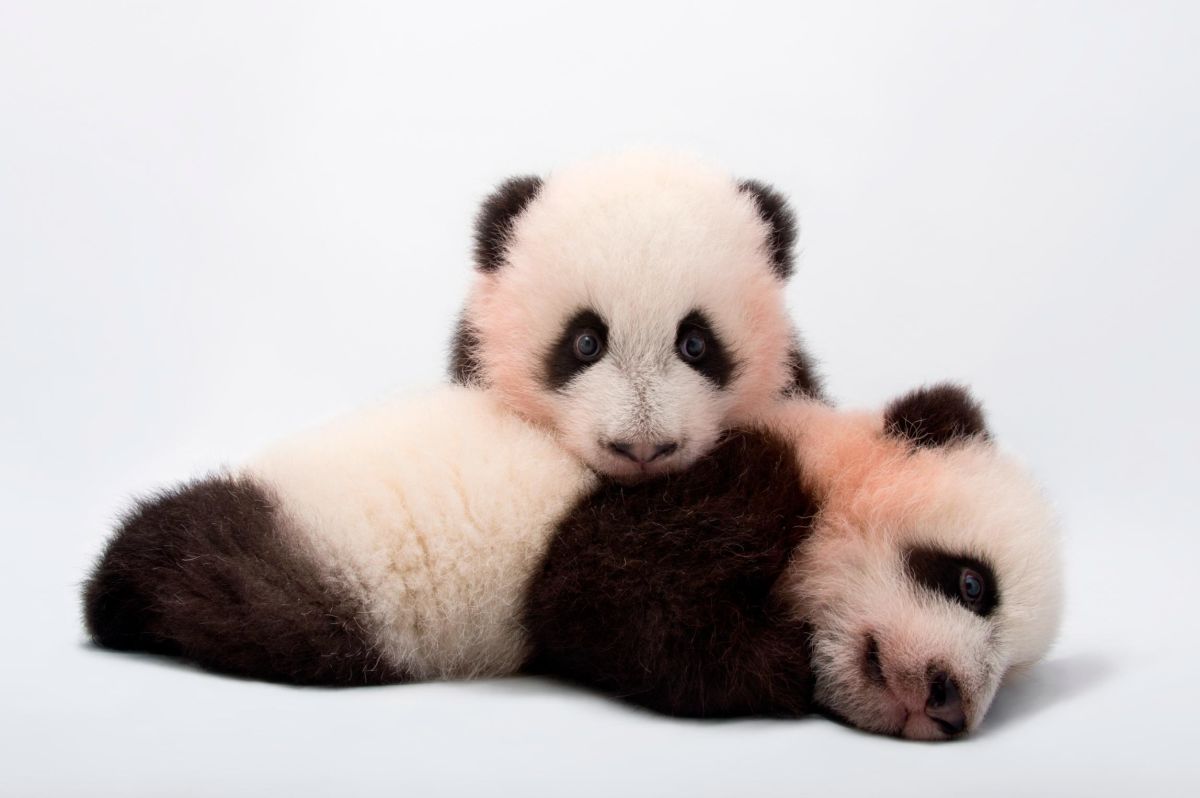
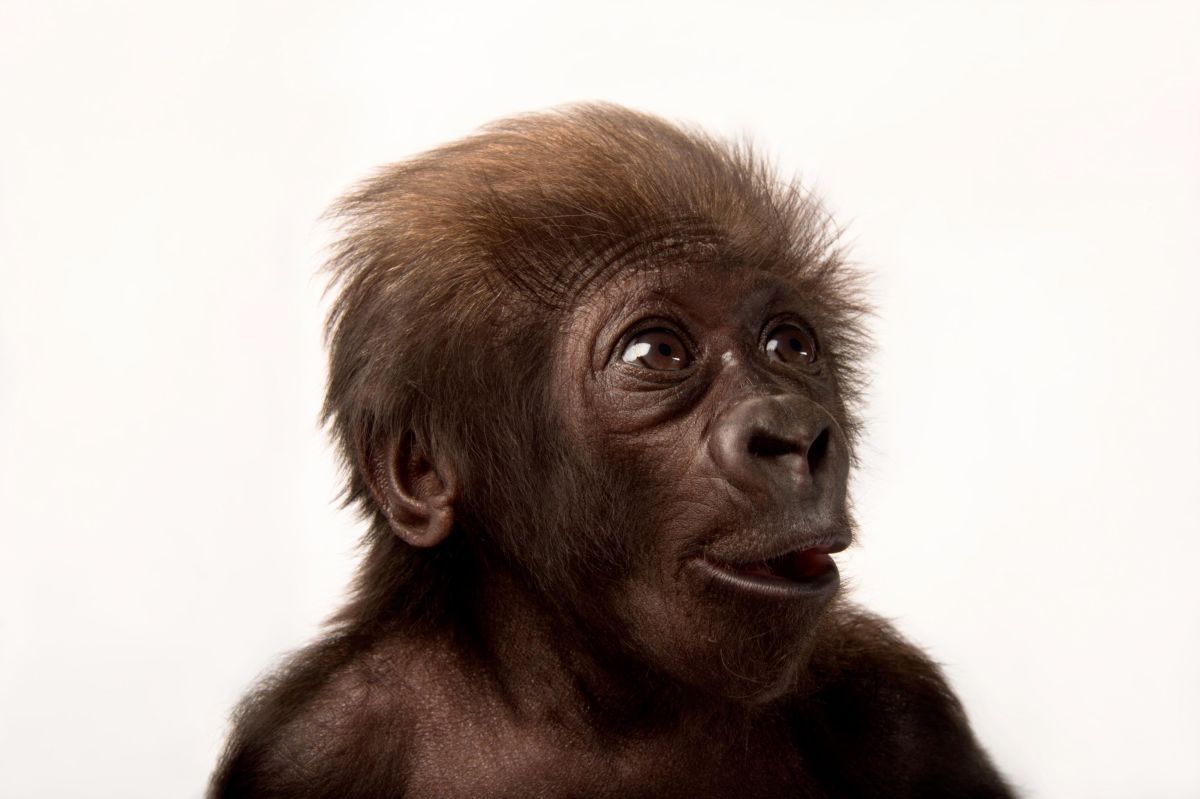 National Geographic Photo Ark. He plans to keep going to 20,000, in order to document all the species in captivity across the planet. Pictured here is a six-week-old female western lowland gorilla, which is critically endangered, at the Cincinnati Zoo in Ohio. ” class=”image__dam-img image__dam-img–loading” onload=’this.classList.remove(‘image__dam-img–loading’)’ onerror=”imageLoadError(this)” height=”2041″ width=”3067″/>
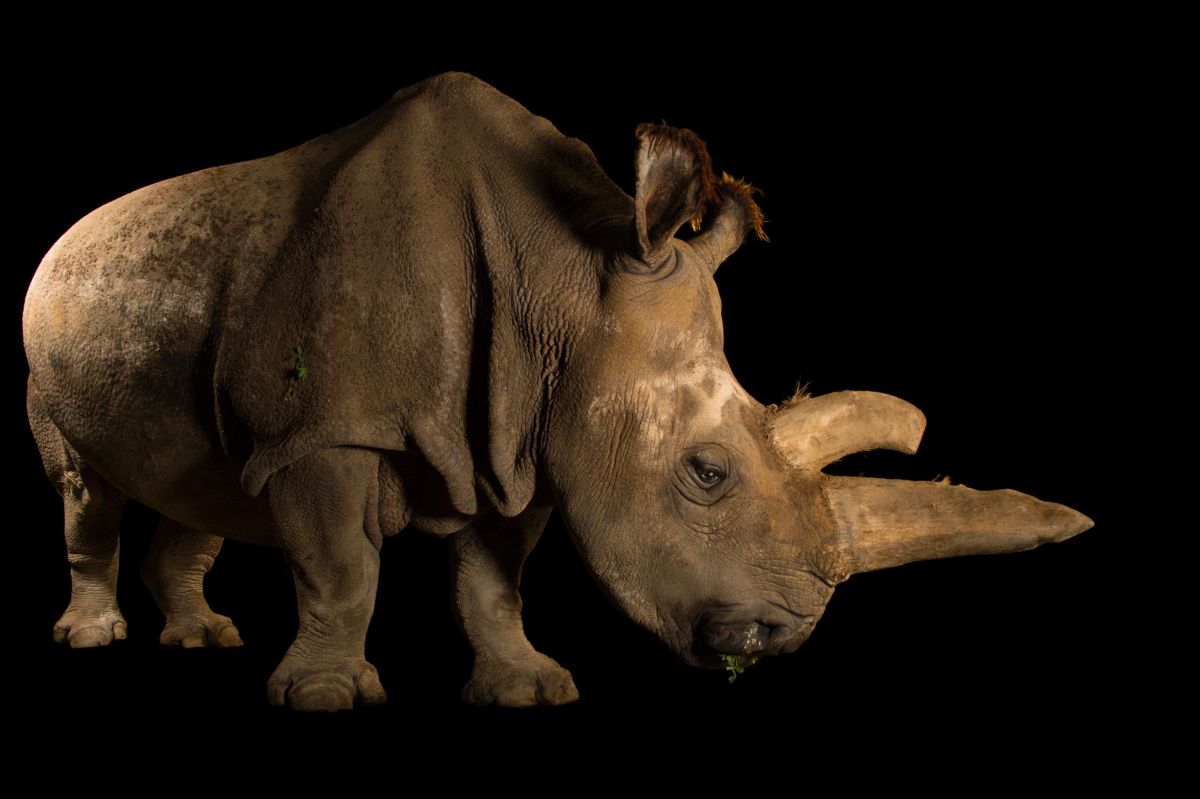 According to the UN, a quarter of all species are threatened with extinction. Pictured here is Nabire, who — before her death in 2015 — was one of the last northern white rhinos left on Earth. Today, only two remain.” class=”image__dam-img image__dam-img–loading” onload=’this.classList.remove(‘image__dam-img–loading’)’ onerror=”imageLoadError(this)” height=”2041″ width=”3067″/>
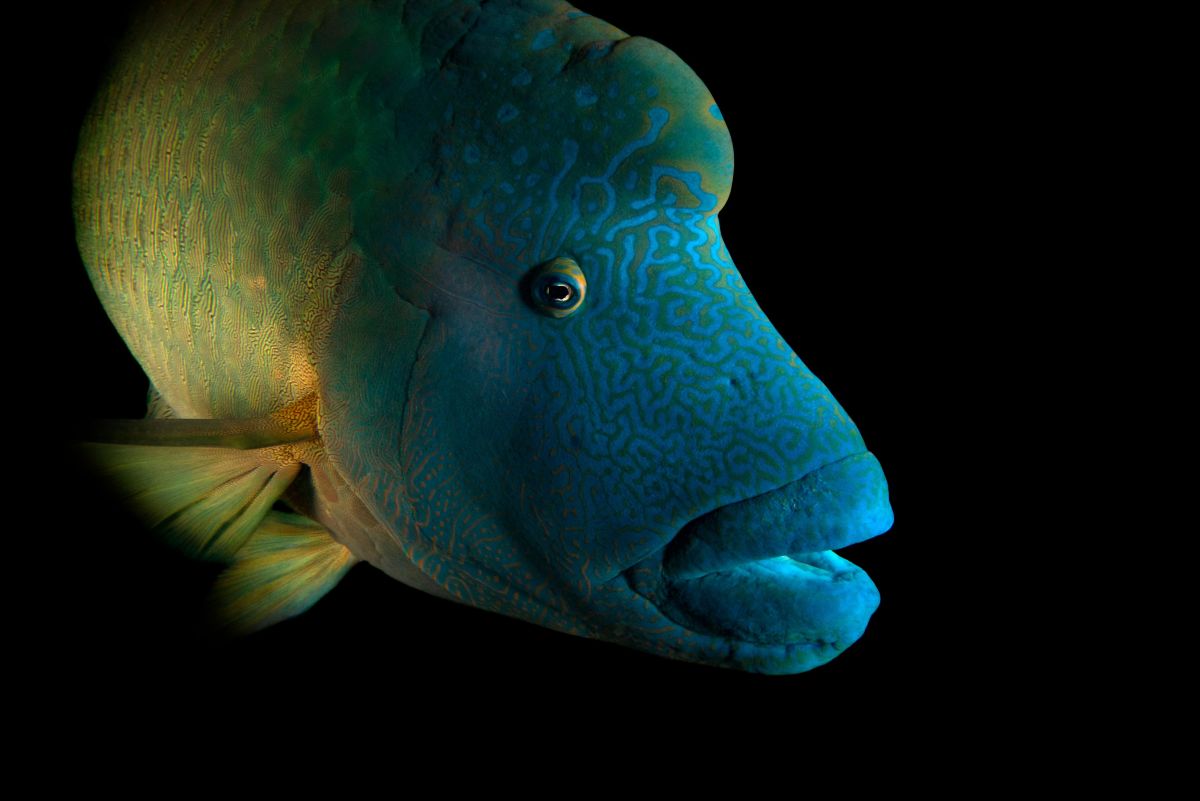
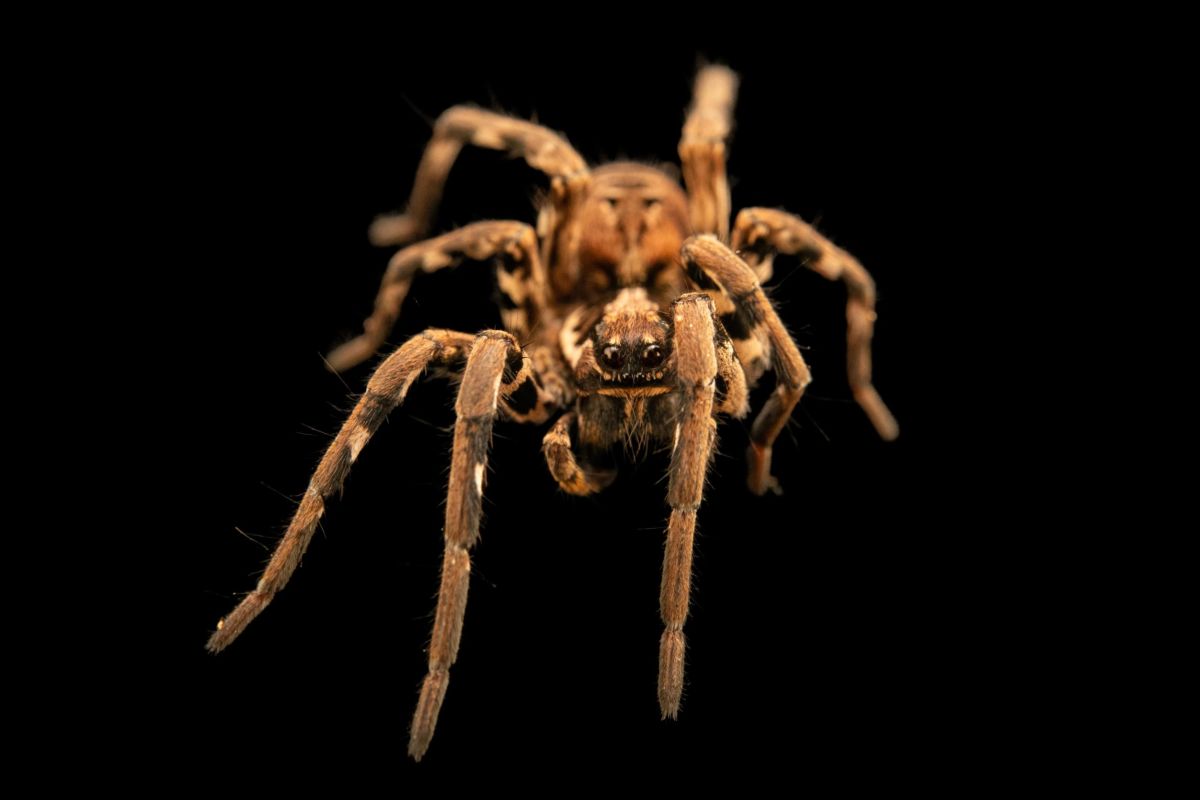
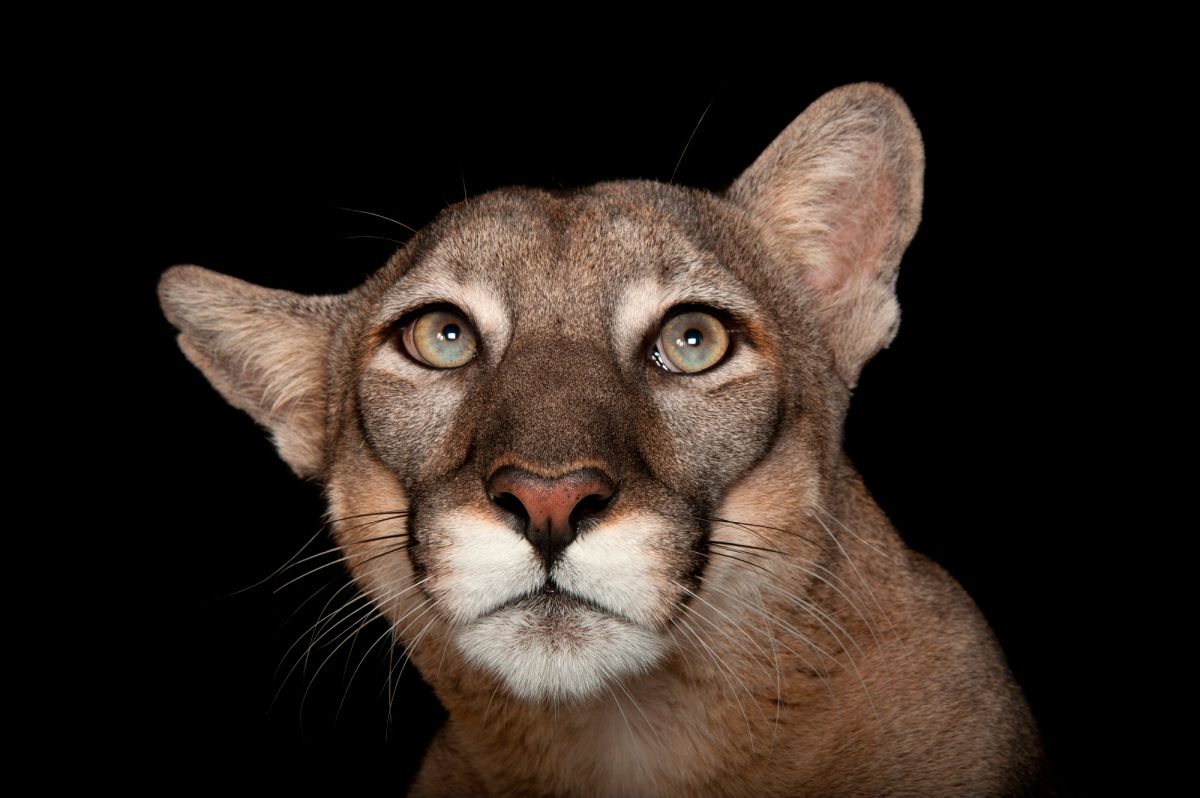 Instagram and has produced a series of bestselling Photo Ark books. This photo of Lucy, a Florida panther at Tampa’s Lowry Park Zoo, is one of his favorites. ” class=”image__dam-img image__dam-img–loading” onload=’this.classList.remove(‘image__dam-img–loading’)’ onerror=”imageLoadError(this)” height=”1330″ width=”2000″ loading=’lazy’/>
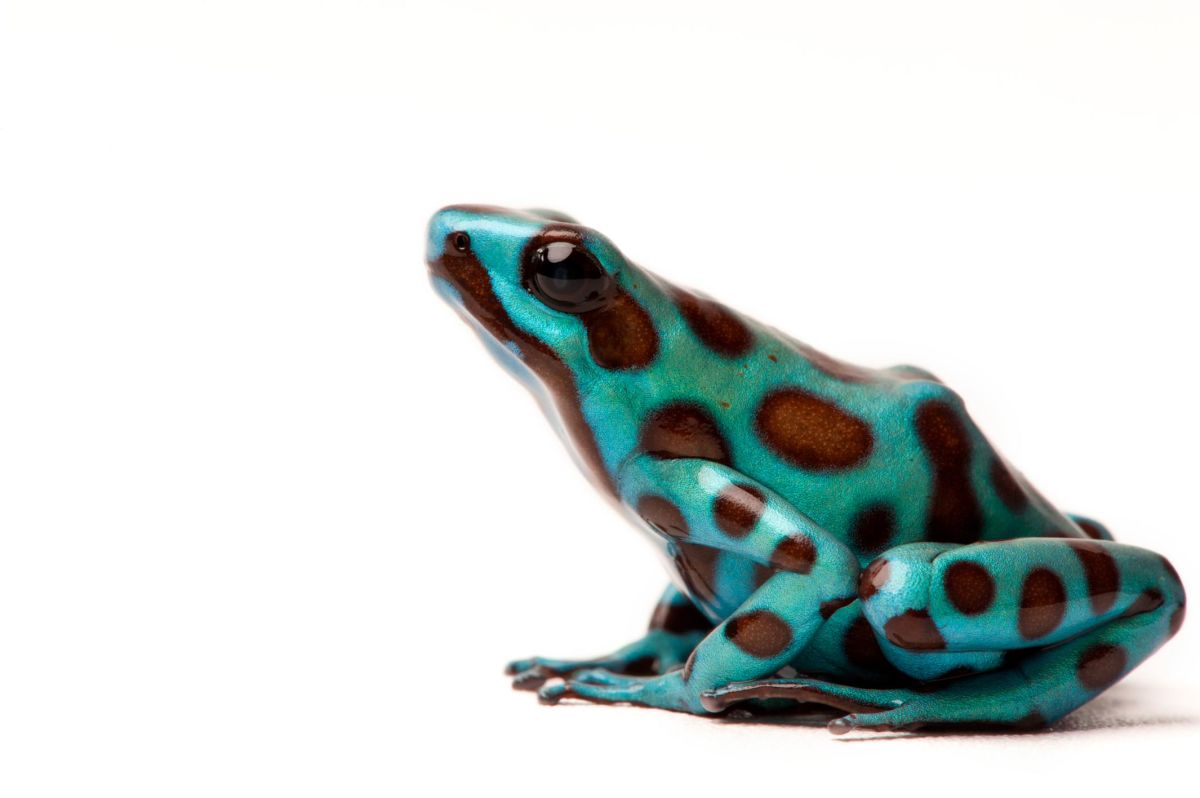
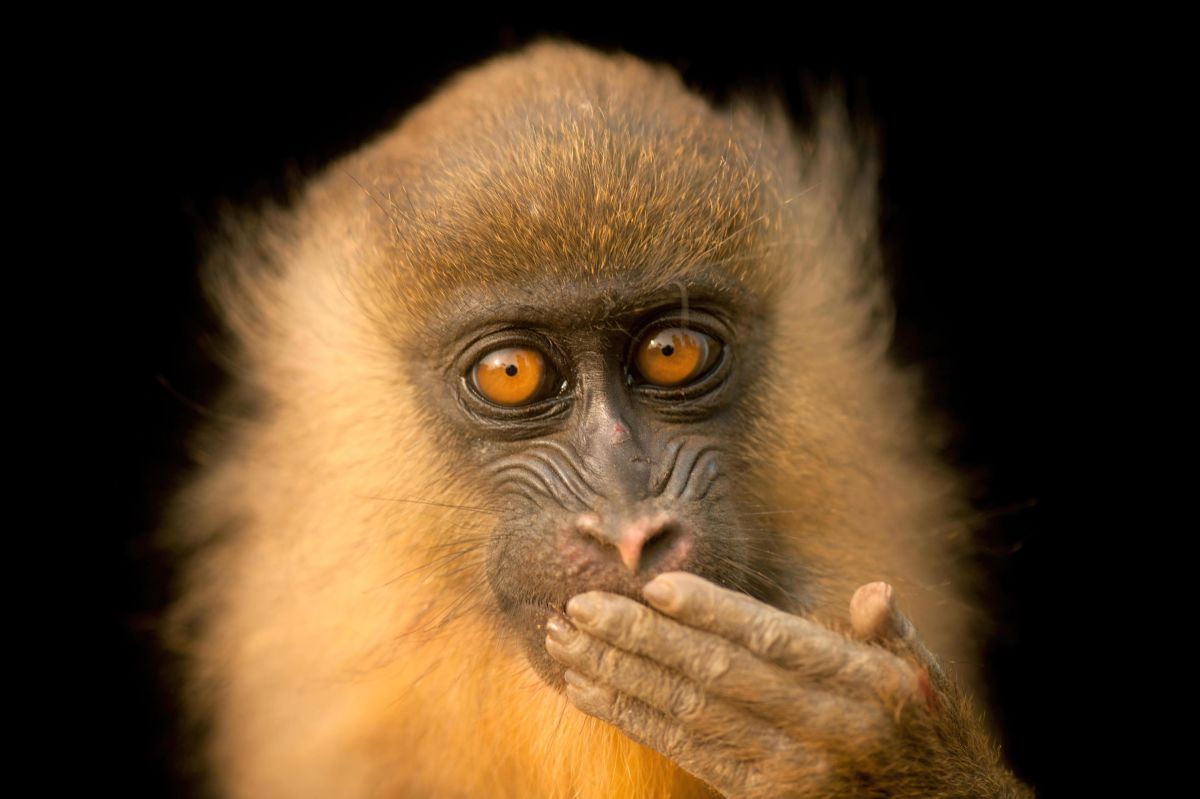
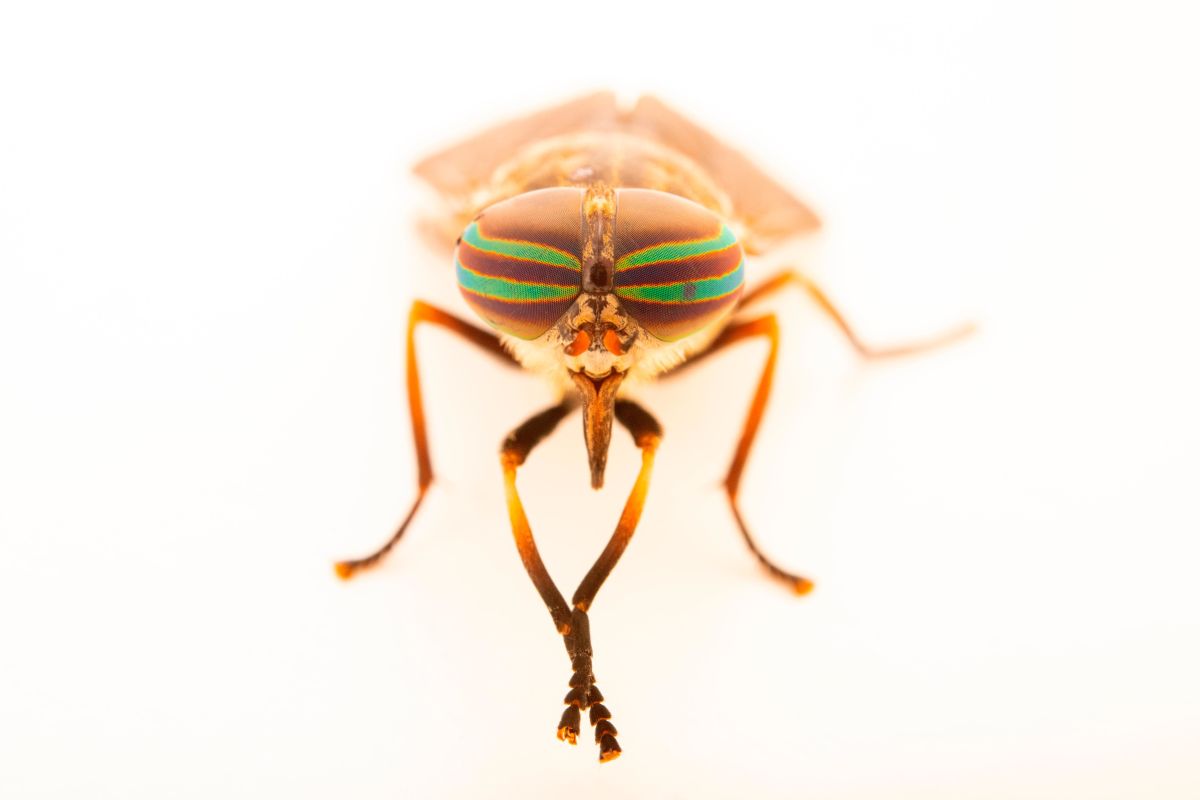
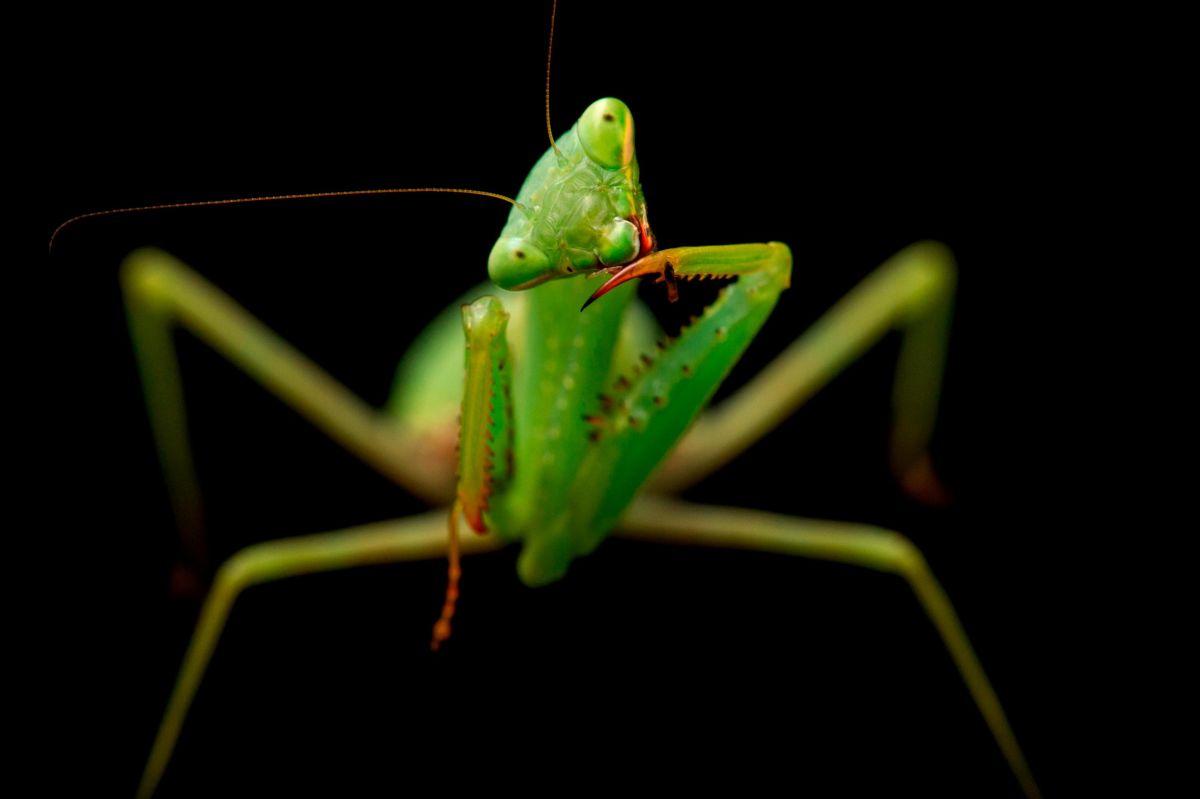 National Geographic Photo Ark. “My job is to become a voice for all these animals, the small things that really keep the planet running. It’s really at our own peril if we ignore them,” he said. Pictured here is a springbok mantis at Auckland Zoo in New Zealand.” class=”image__dam-img image__dam-img–loading” onload=’this.classList.remove(‘image__dam-img–loading’)’ onerror=”imageLoadError(this)” height=”2041″ width=”3067″/>
Joel Sartore’s mission to photograph the world’s vanishing species
On the flip side, Sartore has waited four years for a moose calf at the Minnesota Zoo in Minneapolis to reach maturity (he’ll be ready this fall; Sartore has already made arrangements). Even closer to home, he’s been shooting a new moth species practically nightly at his cabin this summer.
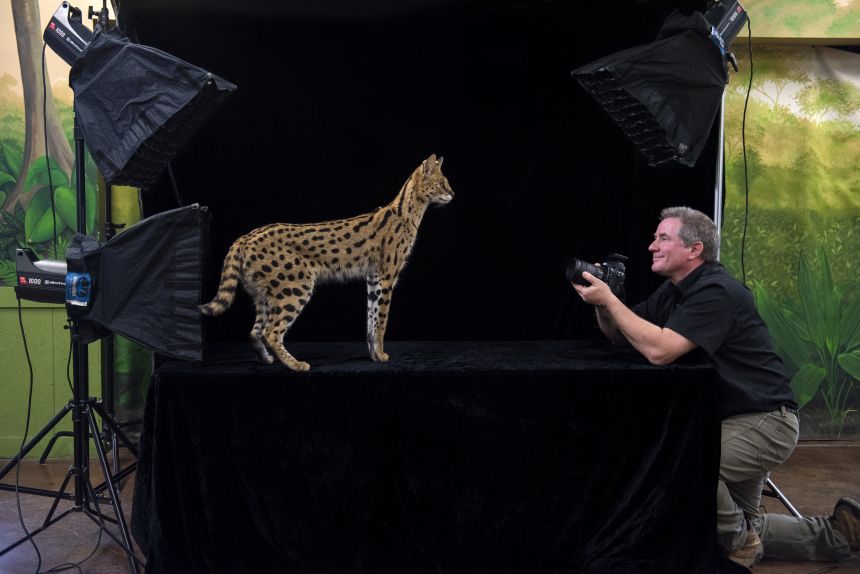
Photographed against the same neutral white or black backdrop, each species, big or small, colorful or dull, animated or inert, fills the frame, receiving equal stature and billing by Sartore’s camera.
“We just do everything all the time, everywhere we go,” he said.
A fixture on Sartore’s trips abroad is his son, Cole, 32, who Joel thinks will inherit the project. “He’s a good photographer and patient and kind and quiet around animals,” he said.
“(Cole) has a nice calming effect, because I tend to get worked up,” he added. Unlike his father, he also appreciates a proper lunch break. “He’s a lot better person than I am.”
It will be on Sartore junior to continue what his father considers one “big public education campaign on behalf of nature.”
“Our Photo Ark is simple at its base: we take pictures and videos of animals of all sizes and shapes, rare or common, around the world. But the consequences of saving these animals is enormous for humanity,” Sartore said. “We don’t drill that or pound that into people. We hope that they pick it up on their own.”
The public see portraits, but Sartore carries the memories. The encounter he still remembers most strongly is photographing Nabire, at the time one of just three northern white rhinos left on Earth. She was old, unwell, and would die soon after in 2015. (There is hope that frozen embryos and surrogacy could save the species.)
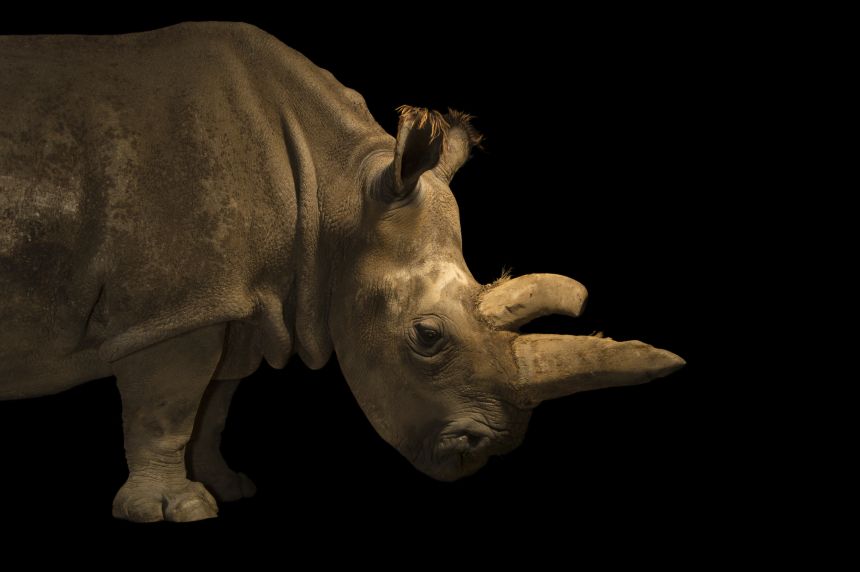
“The shoot went well, and then she laid down and took a nap,” he recalled. “I stopped and put my hand on her back. I could feel it rising and falling as she breathed.
“To put your hand on something that you feel has a chance of going extinct … I hope it doesn’t, but that’s pretty moving.”
Twenty years after he began, Sartore is racing toward his next target: 25,000 species. There will be other Nabires and Toughies. But there will be other grasshopper sparrows too.
“There’s this T.S. Eliot quote,” Sartore said, “‘For us there’s only the trying. The rest is not our business.’”
“At the end of the day,” he added, “I have to kind of do the work and move on. To the next one, and the next one, and the next one. And know that for some of them, we will be of help. We will help save them.”