
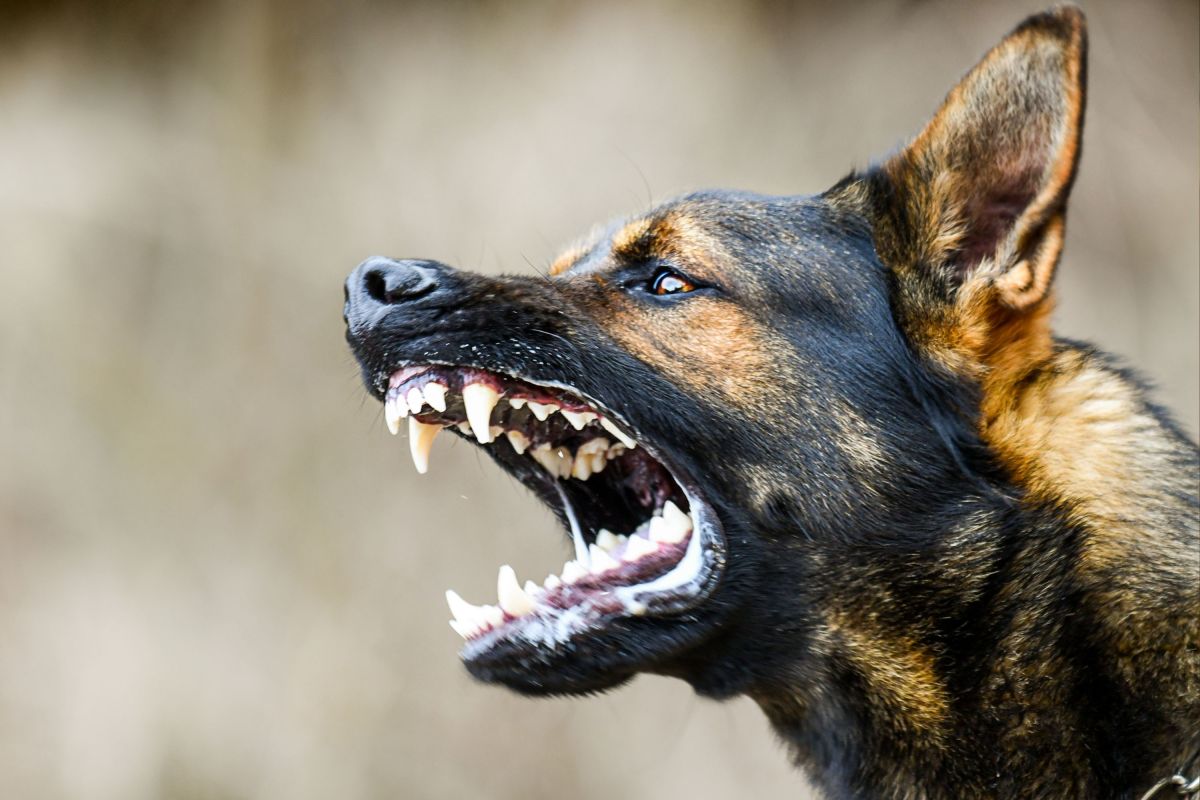
Health officials in several states have issued rabies warnings after infected bats, raccoons, foxes, goats and a pet dog were detected this year, raising concerns about possible exposure among people and pets.
The alerts include sharp local increases in Idaho and Texas. Idaho has detected 24 rabid bats so far this year—more than in any of the previous three years—while one public health district has received more than twice as many calls about possible bat exposures as it had at the same point last year.
In San Antonio and surrounding Bexar County, officials reported 22 cases of rabies in wild animals during June and July, compared with two or three during the same months in each of the previous two years. The area also recorded its first case in a pet dog in more than a decade.
Read More on News
Other cases have led to more targeted warnings. North Carolina officials are tracing people who may have handled infected baby goats from a mobile petting zoo, while Florida issued a 60-day alert for part of Brevard County after a raccoon tested positive. Confirmed cases have also been reported in Alabama, California, Maryland and Michigan.
Rabies can spread through the bite or scratch of an infected mammal or when its saliva enters broken skin, the eyes or the mouth. The disease is rare in people in the United States but is fatal if it is not treated before symptoms begin.
 Idaho Reports Rise in Rabid Bats and Possible Exposures
A rabid bat was confirmed on July 14 in Blaine County, south of Stanley, marking the first confirmed case in south-central Idaho this year, according to the Idaho Department of Fish and Game.
State officials said the reason for the rise in possible encounters is unclear. Idaho’s growing population could be bringing more people into contact with bats, while smoke from wildfires may be changing how the animals move, the Idaho Department of Health and Welfare said.
Bats are the only animals in Idaho that naturally maintain the virus, although they can occasionally pass it to other mammals. About 1 in 100 bats in the wild carries rabies, and infection cannot reliably be identified from an animal’s appearance or behavior, according to the state health department.
Officials said residents should not touch bats with bare hands. People should contact their local public health district if a bat lands on them, if they have direct contact with one or if they wake to find a bat in their room. “A bat resting on a wall or other surface during the day does not necessarily need assistance,” the department said.
Residents who find a colony inside a building should seek help from Fish and Game rather than trying to remove or kill the bats themselves.
Texas Dog Tests Positive After Encounter With Skunk
A rabies warning in San Antonio followed an encounter between a pet dog and a wild skunk in late July. The dog’s owner told investigators that the male Husky mix killed a baby skunk near the family’s Far West Side home, inside Loop 1604, but the encounter was not reported at the time, according to the city of San Antonio.
Over the following weeks, the dog began showing behavioral and neurological symptoms. On August 18, the Metro Health Laboratory confirmed that it had rabies. Officials said people and pets that may have been exposed were offered preventive treatment.
San Antonio Animal Care Services and Metro Health issued a public advisory on August 19, warning that contact between pets and wildlife “must be taken seriously and reported immediately.” Officials urged owners to keep dogs and cats vaccinated and not allow them to roam freely.
Rabid Fox Prompts Warning in Alabama County
A fox found on private property near the Billingsley junction in Autauga County tested positive for rabies, the Alabama Department of Public Health announced on August 18. The animal was discovered late the previous week near the intersection of U.S. Highway 82 and Autauga County Road 1.
The property owner noticed that the fox was acting abnormally and struggling to move. After the owner contacted the health department, the animal was safely euthanized and sent to a public health laboratory for testing. Officials said no people were exposed, but two vaccinated dogs may have come into contact with the fox. Animals on the property were given rabies booster shots.
“Their observation and awareness have played an important role in rabies surveillance within the community,” State Public Health Veterinarian Dr. Dee W. Jones said of the owner’s actions. The case followed the confirmation of a rabid raccoon in Montgomery’s Dalraida neighborhood on August 5. That animal was captured after a homeowner saw it behaving unusually near a backyard fence on July 31.
Alabama law requires dogs, cats and ferrets ages 12 weeks and older to be vaccinated against rabies. Officials advised residents to keep pets confined or on leashes, avoid leaving food scraps outside and stay away from wild or domestic animals behaving strangely.
Rabid Goats at Mobile Petting Zoo Prompt Exposure Investigation
North Carolina health officials are tracing possible rabies exposures linked to baby goats from Farm Adventures, a mobile petting zoo based in Harmony in Iredell County. State officials were first notified on August 27 that four goats may have been exposed, according to the North Carolina Department of Health and Human Services.
Three goats tested positive the next day, while a fourth was not tested but is presumed to have been infected. Officials believe a skunk entered the animals’ pen in late July and exposed them to the virus. The state later determined that no other animals at the farm posed a risk to people.
The goats could have been infectious from July 28 to August 27 and appeared at events in at least seven counties. Public appearances included an assisted living facility in Statesville on July 28, a back-to-school event in Lexington on August 1, another assisted living facility in Statesville on August 6 and the Masonic Picnic Grounds in Mocksville on August 15. The goats also attended private events in Mecklenburg, Watauga, Burke, Durham and Iredell counties, the department said.
“Anyone who had contact with baby goats” from the petting zoo during the exposure window should contact a local health department, officials added. Although transmission from livestock is considered a lower risk than a bite from a wild animal, infected saliva can spread the virus through broken skin or the eyes, nose or mouth.
 Rabid Raccoon Triggers 60-Day Alert in Florida County
The Florida Department of Health issued a rabies alert in part of Brevard County on September 3 after a raccoon tested positive for the virus. The animal was captured August 27 near Andrews Avenue in the Melbourne area, according to the department’s official notice.
The alert will remain in effect for 60 days. It covers an area bordered by West Eau Gallie Boulevard to the north, Sarno Road to the south, Croton Road to the east and North Wickham Road to the west. The department is monitoring rabies in wildlife and warned residents and visitors that the virus “is currently present in the wild animal population.”
Officials told people to avoid contact with wild or stray animals and not to attract them with outdoor pet food or unsecured garbage. Pets should be vaccinated, kept under direct supervision and walked on leashes, while livestock should be secured. Anyone bitten or scratched by an animal should seek medical care and report the incident to the Florida Department of Health in Brevard County.
Multiple Rabies Alerts Issued Across Maryland Counties
The Anne Arundel County Department of Health issued an alert on September 1 after a raccoon in Millersville and a bat in Annapolis tested positive for rabies on August 31. The bat was found at a business on State Circle, while the raccoon was discovered near West Pasadena Road and Drexel Drive, according to the county health department.
The cases followed an August 11 alert involving another rabid bat, found two days earlier on Almondbury Drive in Pasadena. Officials asked residents—particularly parents of young children—to determine whether anyone may have touched the animal. “If you or your pet had contact with this infected animal,” residents should contact the health department, the alert said.
In Harford County, officials confirmed on August 11 that a raccoon found near the 200 block of Cooley Mill Road in Havre de Grace and a fox found near the 700 block of Walters Mill Road in Forest Hill had also tested positive. The animals may have encountered people or pets in the surrounding areas, according to local reports citing the Harford County Health Department.
Rabid Bat Confirmed in Michigan County
The Saginaw County Health Department confirmed that a bat had tested positive for rabies in an announcement reported August 28. Officials did not disclose where or when the bat was found or whether any people or pets were exposed, according to Mid-Michigan NOW.
The case added to dozens recorded across Michigan this year. As of September 3, state data showed 48 infected animals—47 bats and one skunk.
If a bat enters a home, the county health department advised residents: “Don’t panic—and don’t chase it out.” People and pets should leave the room before the doors to the rest of the home are closed, the lights are switched off and an exterior door or window is opened to give the bat a way out.
Rabid Bat Found Near California Village
Yosemite National Park issued a warning on September 2 after a dead big brown bat found outside the Curry Village Showerhouse tested positive for rabies. The bat was discovered on May 18, more than three months before the public announcement.
No known contact with the animal was reported. However, officials urged anyone who may have directly encountered a bat in the Curry Village area on or around May 18 to promptly contact the California Department of Public Health and a health care provider.
The park said the discovery was not unusual, as “a very small percentage” of bats tested in Yosemite are found to have rabies each year. The previous infected bat in the park was found in July 2025. Yosemite is home to 17 bat species, and park workers routinely collect dead bats for testing to track diseases circulating in wildlife.
Contact Newsweek editors on this story: John Fitzpatrick and Cristina Diciu.