
KING 5 Investigators take a deep dive into Mochi Health’s compounding pharmacy network involving knockoff GLP-1s.
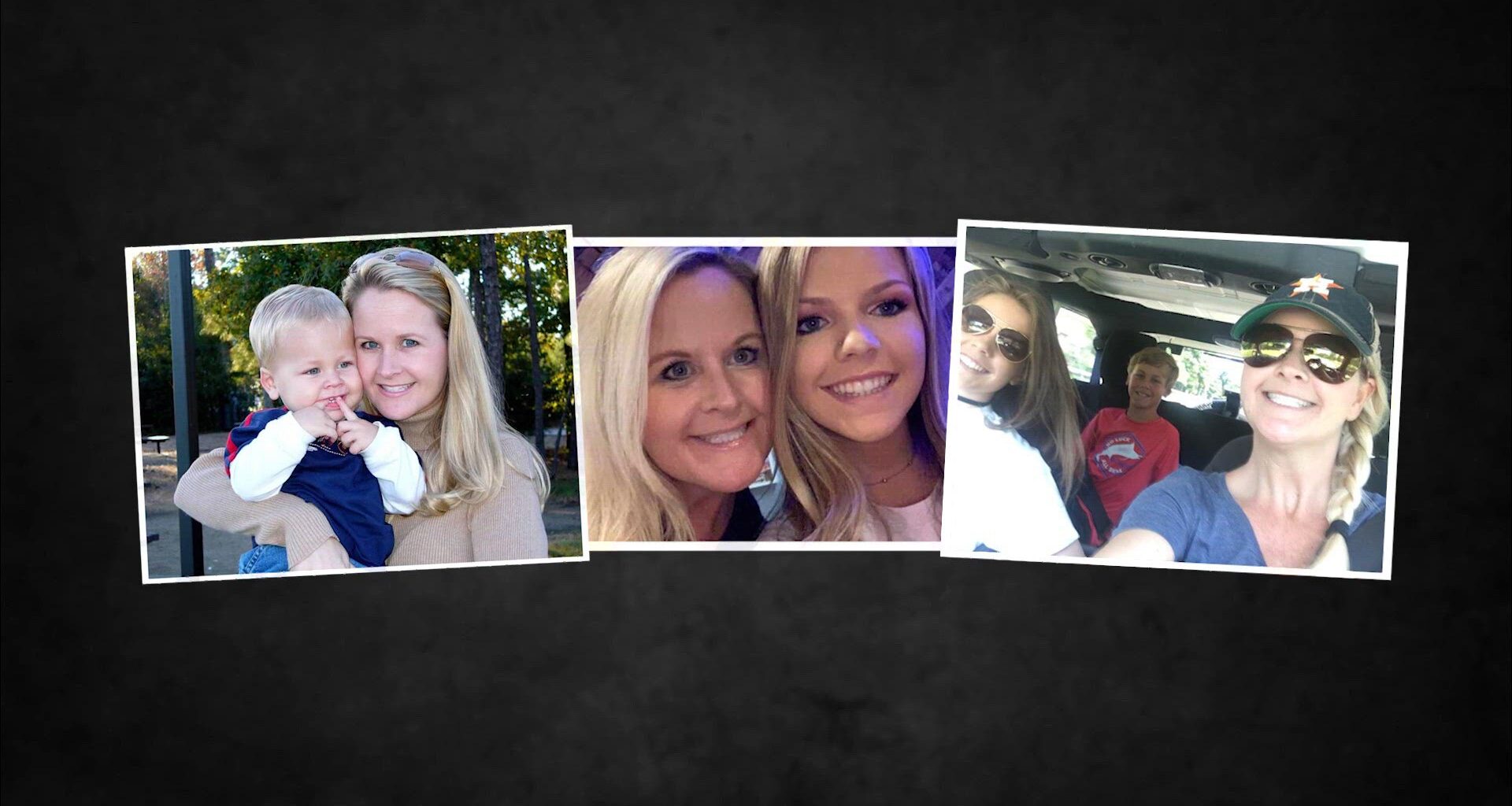
SEATTLE — Don Rhodes remembers exactly where he was when the phone rang. His 50-year-old daughter, a single mother of two, was in a Houston emergency room. Twenty-nine days later, she was dead.
“Our children are supposed to outlive us,” Rhodes said. “That’s kind of a rule. And that rule got broken.”

This story continues below.
His daughter had been injecting a compounded version of Ozempic for months. When her prescription called for a higher dose, she fell gravely ill — and according to a lawsuit Rhodes has since filed in Texas court, the drug “led to her untimely death” after nearly a month in intensive care.
She is one of at least three people across three states whose catastrophic medical emergencies trace back to the same source: compounding pharmacies that, at one point or another, supplied weight-loss drugs to Mochi Health, the online telehealth marketplace that the KING 5 Investigators have reported on for months. Mochi Health built its business selling cut-rate, non-FDA-approved versions of blockbuster GLP-1 drugs like Ozempic and Zepbound.
An investigation into corporate records, court filings, federal and state inspection reports and interviews with patients and their families found that Mochi kept expanding its roster of drug suppliers even as regulators repeatedly flagged some of those pharmacies for safety violations and even after patients started ending up in hospital beds.
A Lab Shut Down for “Serious Risk”
The trouble traces back to Mochi’s sole compounding lab, tucked inside a business park in Kirkland, Washington. State health inspectors raided the facility, called Aequita Pharmacy, last year and shut it down, citing a “serious risk” to patients.
What inspectors found inside was damning: improperly licensed workers — some, according to findings, recruited from Home Depot parking lots — working in the pharmacy’s restricted areas. Expired medications. GLP-1 base powder imported illegally from overseas. Several former Aequita employees interviewed by KING 5 said it was Mochi Health’s CEO, University of Washington grad Myra Ahmad, who pushed profits over patient safety.
The state shutdown cost Mochi its only in-house source of GLP-1 drugs — by all accounts, a significant revenue stream. The company needed a new supplier fast. It found one in Empower Pharmacy, one of the largest compounding pharmacies in the country, and a company with a checkered regulatory history of its own.
A Pattern at Empower
Compounding pharmacies exist to make customized medications for patients with specific medical needs — an allergy for instance — not to mass-produce imitations of brand-name blockbusters. The Food and Drug Administration says compounding pharmacies cannot make “products that are essentially a copy” of brand-name medications.
Critics say Empower has been making copycat drugs for years, including churning out Ozempic and Zepbound look-alikes while racking up a lengthy record of regulatory violations.
Since 2022, the FDA has sent Empower three separate warning letters accusing the company of violating federal law. Inspectors have documented contamination inside Empower’s lab, along with expired and “misbranded” drugs on its shelves. Fifteen separate state pharmacy boards have opened investigations into the company, the majority ending in discipline or formal reprimand. In 2024, the Drug Enforcement Administration fined Empower $65,000 for illegally shipping controlled substances.
None of that history stopped Mochi from signing on as a customer.
Rhodes’ daughter was never a Mochi patient — she obtained Empower’s compounded semaglutide through a different channel. But despite her 2024 death, and Empower’s track record, Mochi struck a deal with Empower last year.
“When you’re dealing with a product that involves people’s safety and their health, there’s no room to play games just to cut corners, just to make an extra buck,” Rhodes said.
Asked about the lawsuit, Empower pointed to Texas court filings arguing that Rhodes sued “without any evidence” establishing what killed his daughter. In Harris County Texas court filings, Empower’s legal team called Rhodes’s lawsuit “inflammatory” and facts about his daughter’s death “threadbare.”
Don Rhode’s lawsuit against Empower Pharmacy is awaiting trial in the District Court of Harris County, Texas.
Read the full statement below:
The company denies wrongdoing and is seeking to have the case dismissed. In a statement, Empower said it is “proud of our quality record” and has corrected the issues the FDA previously identified, but declined to discuss the pending litigation further.
“Patient safety and quality are foundational to how Empower operates, reflected in the company’s rigorous quality standards,” the company’s statement reads in part.
The Kentucky Case
Another pharmacy Mochi contracted with, Lexington Compounding Pharmacy in Kentucky, is now the target of a lawsuit from Jimmie Wilson, who says she nearly died after using the pharmacy’s version of Zepbound. Wilson was not a Mochi customer. She received a prescription for Lexington Compounding’s GLP-1 drug through a medical provider, who is also named in her suit.
She recalled the day just a few weeks after she started taking the imitation Zepbound. “The doctor called me around 8:15 that morning and said my liver enzymes were astronomical,” Wilson said. Within days, she needed a liver transplant. Her lawsuit states she had no prior history of liver disease and that her baseline liver function tests were normal before she started the drug — and that her sudden liver failure was “related to compounded GLP-1.”
“About a week after the transplant, it all sunk in — all that I’ve been through, that I almost died,” Wilson said.
Lexington Compounding Pharmacy’s attorneys say there is “no scientific evidence” linking its product to Wilson’s liver failure, and the company has denied the allegations in court. A law firm representing the pharmacy also sent KING 5 a cease-and-desist letter threatening immediate legal action over what it called “defamatory statements” about the case if Wilson’s story is broadcast.
Jimmie Wilson’s lawsuit against Lexington Compounding Pharmacy and the medical provider who wrote her prescription is pending in Kentucky court.
Read the full letter here:
Four Trips to the Hospital
In Illinois, a Mochi customer named Shawn Rose says he went to the hospital four separate times after injecting a GLP-1 compounded by yet another pharmacy in Mochi’s network — one the company turned to after the Kirkland shutdown.
“I have been in the hospital now since January the second,” Rose said in one video posted to social media. In another: “Had I not came when I did, I would probably not have survived the day.”
Illinois state health authorities are now investigating his case.
A Pattern of Turnover, Not Accountability
Shabbir Imber Safdar, who heads the nonprofit Partnership for Safe Medicines, has repeatedly raised concerns about the lack of regulation around compounded GLP-1 drugs.
Safdar’s organization has tracked 55 FDA warning letters sent to GLP-1 compounding pharmacies in just the first half of this year. Those warnings, he said, rarely come with any real punishment, and the telehealth companies that market and sell the drugs largely escape scrutiny altogether.
“What happens to the telehealth company is pretty much nothing,” Safdar said. “They just eject the compounding pharmacy that’s been operating dangerously from their network, and they pick up a new compounding pharmacy. There’s rarely any consequence for the harm onto patients that’s been done by the telehealth company.”
“Every day,” he added, “more telehealth companies operate illegally, endanger patients, and suffer no consequences.”
The Company Says Nothing
Mochi Health’s chief executive, Myra Ahmad, a University of Washington graduate, has repeatedly declined to answer questions about her company’s supplier history — including from reporters at a Bay Area TV station earlier this year. Mochi did not respond to the latest request from a comment.
Meanwhile, Mochi’s telehealth platform continues to sell GLP-1 drugs compounded by pharmacies around the country.
What’s Left Behind
For Don Rhodes, the cost of that business model is measured in birthdays and weddings his daughter will never see.
“They will both eventually marry, and their mom won’t be up at their weddings,” he said of his two grandchildren. “They will both eventually have children, and their mom won’t be there to be grandmother.” He paused, searching for the words. “That’s hard to imagine.”
Editor’s note: This account is drawn from court filings, state and federal regulatory records, and on-the-record interviews. Companies named in this story were given the opportunity to respond; their statements are included where provided.