
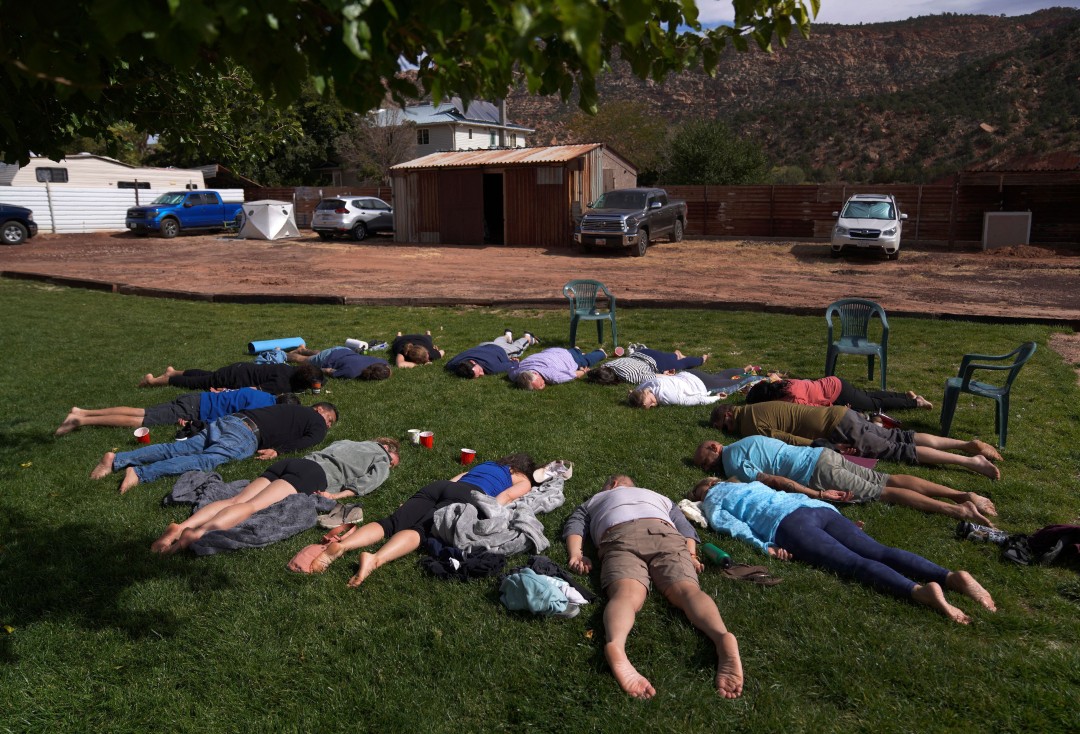
Americans chasing psychedelic “healing” abroad are sometimes finding something far more dangerous. The New York Times details how a wave of loosely regulated clinics in Latin America and beyond has coincided with a string of deaths and alleged abuses involving ibogaine, ayahuasca, and other powerful substances. Patients have suffered fatal heart issues and organ failure, while others describe being urged to abruptly quit psychiatric meds, combine risky drugs, or accept prescription pills without proper screening. A JAMA review of nearly 50 clinics found that fewer than half had medical professionals on staff, and only about 10% had anyone trained for emergencies. The Times also highlights allegations of exploitative marketing and sexual assault, including a Florida woman who says she was raped by a doctor while incapacitated in Mexico.
Patients have also allegedly been filmed or upsold services while still high. “We’re seeing all of these for-profit organizations pop up, operating in this quasi-medical space without the appropriate safeguards,” says Amy McGuire, head of Baylor’s Center for Medical Ethics and Health Policy and co-author of the JAMA report. “That’s where some of the real danger can come in.” Experts warn that, as US interest and demand grow, a booming, largely unregulated overseas industry could invite serious harm, and eventual backlash. It’s an outcome that psychedelics advocates fear. “The substance is not the problem,” says Jesus Alonso Olamendi, head of the legal defense program at the International Center for Ethnobotanical Education, Research, and Service. “It’s the misuse of substances and the unethical ways of treating patients when they are under the influence.” The full piece here.