
Maryland Salvadorans in limbo as TPS deadline nears and DHS gives no timeline
 BALTIMORE —
Temporary Protected Status (TPS) for Salvadorans, which has been in place since 2001, is scheduled to expire on September 9, leaving around 200,000 Salvadorans across the U.S. in limbo as they wait for guidance from the Department of Homeland Security.
In a statement to WBAL-TV 11 News, the Department of Homeland Security said there is no timeframe for an announcement on TPS.
“An announcement on El Salvador’s TPS will be made at the appropriate time,” a spokesperson for DHS said. “Until such announcement is made, Salvadoran individuals present in the U.S. under TPS retain protection.”
The uncertainty over the future of TPS for Salvadorans is raising concerns with the immigrant community in Maryland.
“We have had an influx of inquiries of what could happen and what is going to happen and mainly people wanting to know if it is official or not if TPS is ending, especially today,” said Crisaly De Los Santos, who is the Baltimore and Central Maryland director for We Are CASA, an organization assisting immigrants.
De Los Santos explained that many Salvadorans in Maryland, who have lived in the U.S. for over two decades, are concerned about their future.
“These are families that have been established in the U.S. for around 25 years, and their status impacts their families, so it’s really like that uncertainty, right, like what’s going to happen with the driver’s licenses and are they going to have to be going from being documented to having a different type of license. What’s going to happen for those who work?” she said.
According to Forward U.S. and the National TPS Alliance, approximately 23,000 Salvadorans in Maryland are currently protected under TPS.
Salvadorans are the largest immigrant group in the state.
“It’s going to hugely impact our economy. We are talking about 20,000 people who are working,” De Los Santos said.
Simon Sandoval-Moshenberg, an immigration attorney and partner at Murray Osorio, highlighted the potential consequences of the program’s expiration.
“Many of them are just going to be undocumented for the first time in two and a half decades,” he said.
Sandoval-Moshenberg, who represents Kilmar Abrego Garcia, noted a pattern of the Trump Administration ending protections for immigrants from countries like Venezuela and Haiti.
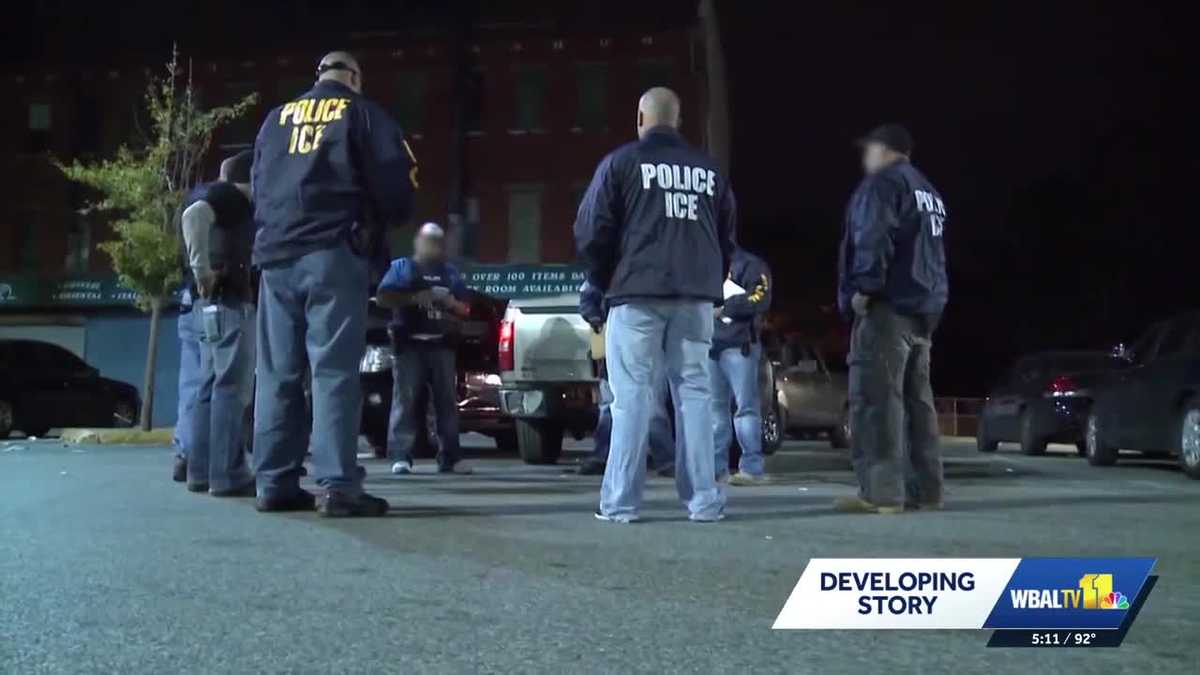
“There’s been a lot of attention paid on what ICE is doing to undocumented people, but there hasn’t been as much attention to the fact that we are now living through the largest de-legalization program in United States history,” said Sandoval-Moshenberg. “It may well be that we actually have more undocumented immigrants at the end of Trump’s administration than we did at the beginning, because of the great numbers of legal immigrants that he is taking away their legal immigration status.”
Sandoval-Moshenberg urged Salvadorans under TPS to seek legal advice.
“Every single person who has El Salvador TPS needs to be consulting with an immigration attorney to see if they have any other option and then, more broadly, Congress needs to get involved, right, and make these temporary programs into a permanent program,” Sandoval-Moshenberg said.
Since 2001, approximately 200,000 Salvadorans have lived in the U.S. under TPS. For now, they await DHS’s announcement.