
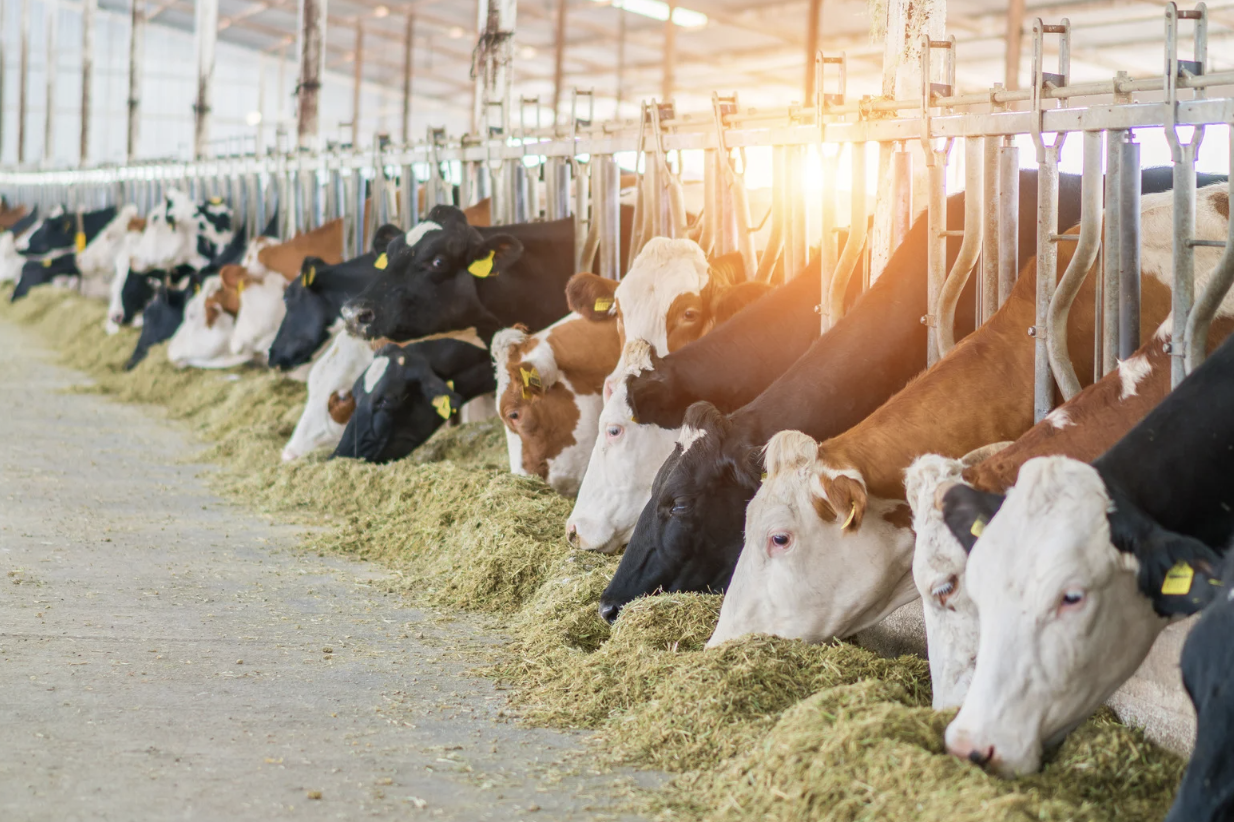
The European Food Safety Authority (EFSA’s) Genetically Modified Organisms (GMO) Panel has published a new scientific opinion on the use of synthetic biology (SynBio) and new genomic techniques (NGTs) for the breeding of farmed food animals, the potential novel hazards and risks they present, and the adequacy of EFSA’s current risk assessment guidance for evaluating new biotechnology.
Follow the latest news and policy debates on sustainable agriculture, biomedicine, and other ‘disruptive’ innovations. Subscribe to our newsletter.
EFSA concluded that, when the original EFSA risk assessment guidance documents for GM animals were first developed, genetic modification primarily involved the random insertion of exogenous gene cassettes into the genomes of recipient animals, and there was considerable uncertainty about the potential effects of these modifications. Since that time, significant scientific advancements have been made that make NGTs much more precise, minimizing hazards associated with earlier methods.
No novel hazards have been identified that are linked to either the modification process or the newly introduced trait when compared to established genomic techniques (EGTs) or conventional breeding. … Consequently, based on the currently available data, no new potential hazards, and thus, no new risks to humans, animals, or the environment have been identified.