
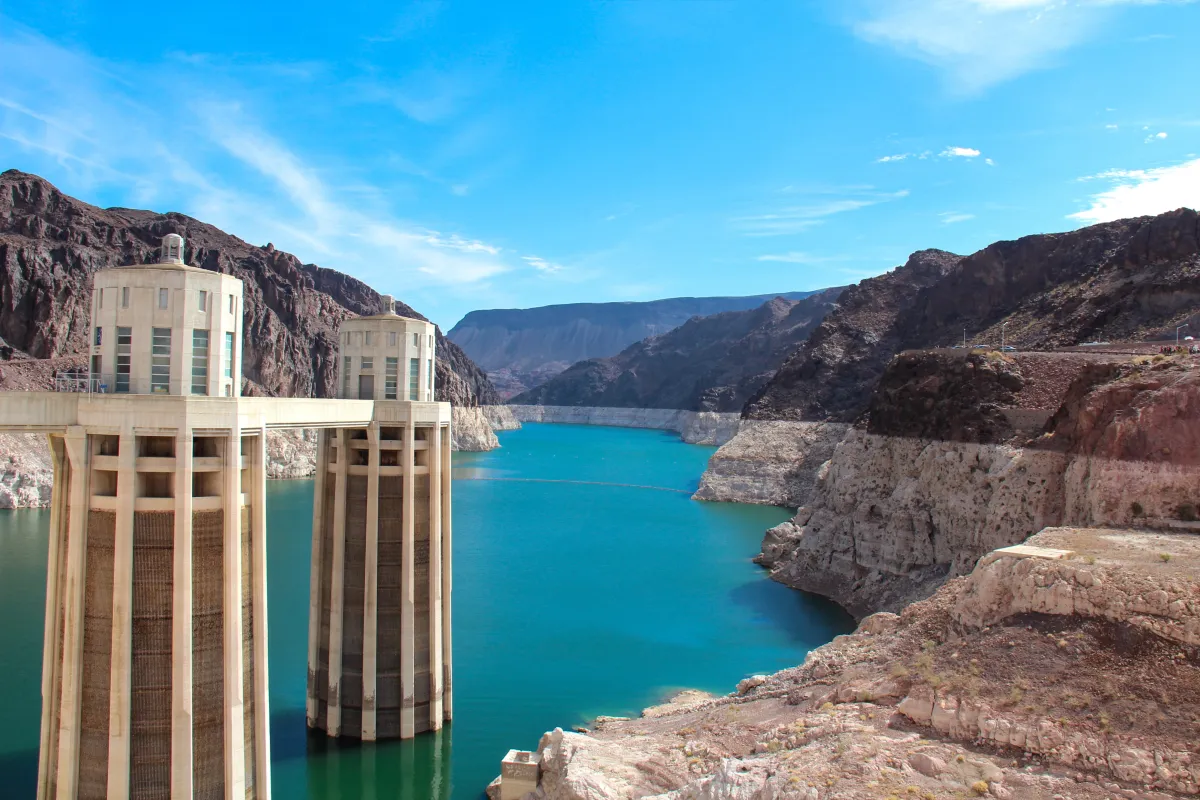
Lake Mead‘s dramatic decline appears to be slowing, offering a small measure of relief after the reservoir fell to record-low levels during another punishing summer for the Colorado River system.
As of Thursday morning, Lake Mead stood at 1,038.83 feet above sea level, according to water-level data compiled by the U.S. Lakes monitoring website, leaving the nation’s largest reservoir roughly 190 feet below its full-pool elevation. The latest readings show the lake hovering near the same level it occupied in recent days, a sign that the rapid seasonal drawdown that characterized much of the spring and summer is beginning to level off.
The slowdown comes after a year in which Lake Mead pushed beyond previous historic lows amid ongoing drought, weak runoff and long-term strain on the Colorado River basin. Federal projections released earlier this summer indicated the reservoir could continue falling through the end of the year, although the pace of decline has recently eased.
Read More on U.S.
Newsweek reached out to the U.S. Bureau of Reclamation, which manages Lake Mead, by email for comment and is awaiting a response.
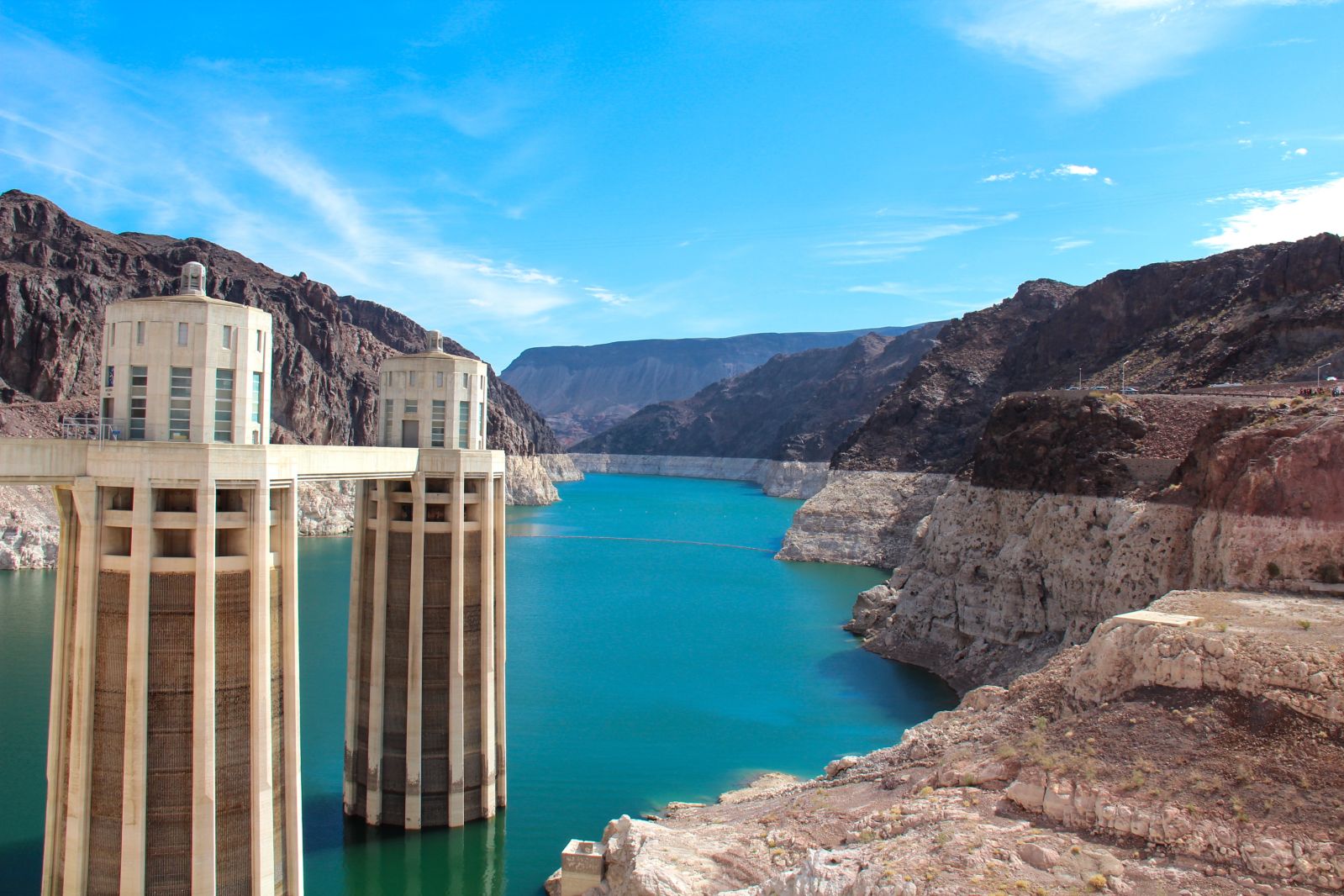
The apparent stabilization is noteworthy because it follows a seasonal pattern that water managers have observed for years, although this year’s timeline looks somewhat delayed.
Typically, Lake Mead experiences its steepest declines during the spring and early summer as downstream water demand rises and reservoir releases continue. In many recent years, the rate of decline has begun to taper off around July before water levels flatten and gradually start climbing during August and September. The gains often become more noticeable later in the water year as winter storms build mountain snowpack across the Colorado River watershed and spring runoff begins flowing back into the system.
This year, however, the lake continued falling deeper into the summer than is often seen. Historical readings on the U.S. Lakes archive show that while water levels are now hovering near 1,039 feet, the descent continued through much of August before showing signs of leveling out in recent weeks.
The slowdown does not mean a recovery is underway. Instead, it suggests the reservoir may be transitioning from its period of rapid seasonal losses into the flatter portion of its annual cycle.
The broader context remains sobering. Earlier this year, Lake Mead slipped below levels reached during the historic 2022 water crisis, marking the lowest elevation recorded since the reservoir was filled nearly 90 years ago. The milestone underscored the severity of the long-running drought and the growing imbalance between water supply and demand across the Colorado River Basin.
The Colorado River supports water deliveries for tens of millions of people across the American West, while also providing irrigation supplies, hydropower generation and environmental benefits. Researchers have warned that both Lake Mead and upstream Lake Powell remain under significant pressure despite periodic wet years.
Even if Lake Mead begins inching upward over the coming months, experts have repeatedly cautioned that a single wet season is unlikely to restore the reservoir to anything close to the levels seen several decades ago.
The problem extends beyond one dry year. Scientists describe the basin’s challenges as the product of more than two decades of drought, warming temperatures and persistent overuse of water resources. In addition, higher temperatures increase evaporation and reduce the amount of runoff that ultimately reaches reservoirs. While particularly snowy winters can temporarily boost reservoir elevations, they do not erase the broader deficit that has accumulated over decades.
“We are never going to see a year where this [problem] magically goes away,” weather and climate scientist Daniel Swain previously told Newsweek. “We could have the wettest year on record in the basin, and we would still have a major water deficit in the long run.”
As a result, even a modest rebound during the coming water year would likely represent a short-term improvement rather than a complete reversal of the reservoir’s troubles.
Could El Niño Help This Winter?
One factor receiving increased attention is the potential development of a very strong El Niño.
El Niño refers to a periodic warming of waters in the tropical Pacific Ocean that can alter weather patterns around the globe. Historically, stronger El Niño events have often increased the likelihood of wetter conditions across parts of the Southwest, though the exact impacts vary from year to year.
Swain said that a strong El Niño could increase snowpack across portions of the Colorado River watershed and potentially provide a meaningful boost to Lake Mead’s water levels next year. He noted that such a pattern could produce a “significant jump” in reservoir levels compared with what would otherwise be expected.
Still, even favorable winter weather would not solve the basin’s longer-term challenges. Swain and other experts have emphasized that the Colorado River system faces structural water shortages driven by both climate conditions and demand that exceeds the river’s long-term supply.
For now, the latest data suggest that Lake Mead’s historic plunge may finally be slowing. Whether that stabilization evolves into a meaningful rebound will depend largely on what happens during the upcoming winter snow season, which remains the single most important source of water for the Colorado River system.
What Happens Next
Lake Mead’s water level will continue to fluctuate in the coming weeks as federal managers balance inflows from the Colorado River with downstream water deliveries and hydropower operations at Hoover Dam.
The U.S. Bureau of Reclamation updates its short-term outlooks regularly and also publishes longer-range projections that help determine potential water shortage declarations and operating conditions for the river system.
While Lake Mead remains well below its historic highs, future levels will depend heavily on snowpack, runoff and precipitation across the Colorado River Basin in the months ahead.
Contact Newsweek editors on this story: Anna Skinner and James Debens