
Prostate cancer is the most common cancer among men in the United States, which is why screening, a major focus of Prostate Cancer Awareness Month in September, is so important.
It can also be silent. Most men diagnosed with prostate cancer have no symptoms at all, Dr. William Dahut, chief scientific officer for the American Cancer Society, tells TODAY.com.
The first sign is usually an elevated prostate-specific antigen (PSA) test, then the cancer is confirmed through imaging and a biopsy.
Treatment can be very effective, but it’s not always the right next step. For men who are diagnosed with very early, slow-growing prostate cancer, “you have options,” says Dahut.
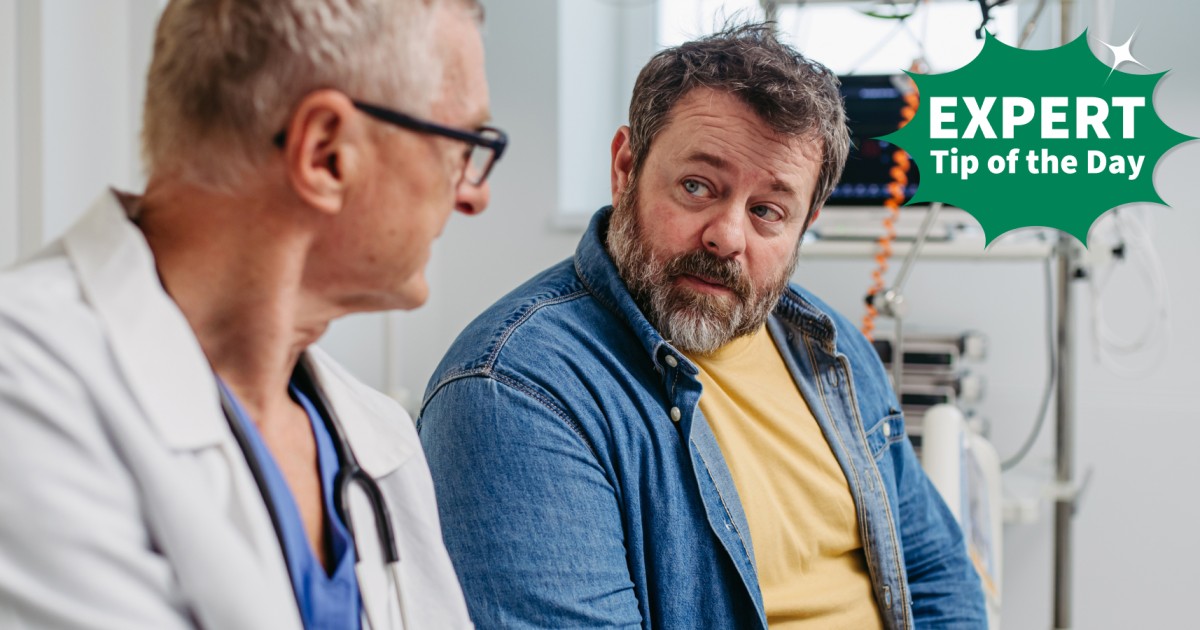
Men’s Health Tip of the Day: When to Try ‘Active Surveillance’ for Prostate Cancer
After a cancer diagnosis, it’s natural to want to jump to treatment, but for low-risk prostate cancers (about 14% of new diagnoses), an approach called active surveillance is usually more appropriate, Dahut says.
Active surveillance involves delaying immediate treatment and instead closely monitoring slow-growing prostate cancer, with a plan to start therapy if tests show it’s growing, Dahut explains.
This includes routine doctor’s visits, PSA tests every six months, annual rectal exams, plus imaging and biopsies, per the ACS.
Prostate cancer is graded using a Gleason score. “Gleason grade 1, or the earliest stage, those patients are not immediately at risk of having progression of their cancer,” says Dahut.
In these cases, tumor is localized and slow-growing, making it low-risk. “These patients can be safely monitored, and oftentimes go years and years without any therapy ever needed,” Dahut says.
If active surveillance reveals any warning signs, patients can start therapy immediately.
“Sometimes we see it changing relatively quickly, but almost always we have time to intervene prior to symptoms or putting patients at any real risk,” says Dahut.
(Active surveillance is different from another approach known as “watchful waiting,” which involves delaying treatment and relies on monitoring for symptoms, instead of routine visits or tests. This is best suited for older patients or those with chronic conditions. “It’s an important distinction,” says Dahut.)
Why It Matters
“The reason you treat early-stage prostate cancer is to prevent complications from the cancer,” Dahut explains.
Treatment involves surgery, radiation and other therapies — which can cause side effects like incontinence, impotence and rectal bleeding, Dahut says.
“If the patient has no symptoms, any therapy would make them feel much worse,” says Dahut. It may disrupt urinary, bowel and sexual function for years, per the Prostate Cancer Foundation.
That’s why waiting to start treatment may be a better option to preserve quality of life for men with early, low-risk cancer.
“If you know you have a window in which you can safely delay or defer therapy, you can go years (without) the side effects of treatment, but still have the potential benefits of preventing complications down the road,” Dahut explains.
After routine PSA screening was implemented in the 1990s, Dahut says prostate cancer diagnoses soared and so did “over-treatment” of early stage patients with aggressive treatments.
“We’ve gotten better at determining who can do active surveillance and who needs more urgent therapy,” says Dahut.
It’s important to note that active therapy isn’t doing nothing. And if treatment is the destination, “you can safely stop at multiple places along the way,” says Dahut.
How to Get Started
Average-risk men should talk to their doctor about starting PSA screenings at age 50, per the ACS. Higher-risk individuals may need to consider starting screening as early as age 40.
If you’re diagnosed with early stage, low-risk prostate cancer, talk to your doctor about your options and what’s best for you.
Although prostate cancer often has no warning signs, it’s important to watch for any symptoms.
TODAY’s Expert Tip of the Day series is all about simple strategies to make life a little easier. Every Monday through Friday, different qualified experts share their best advice on diet, fitness, heart health, mental wellness and more.