
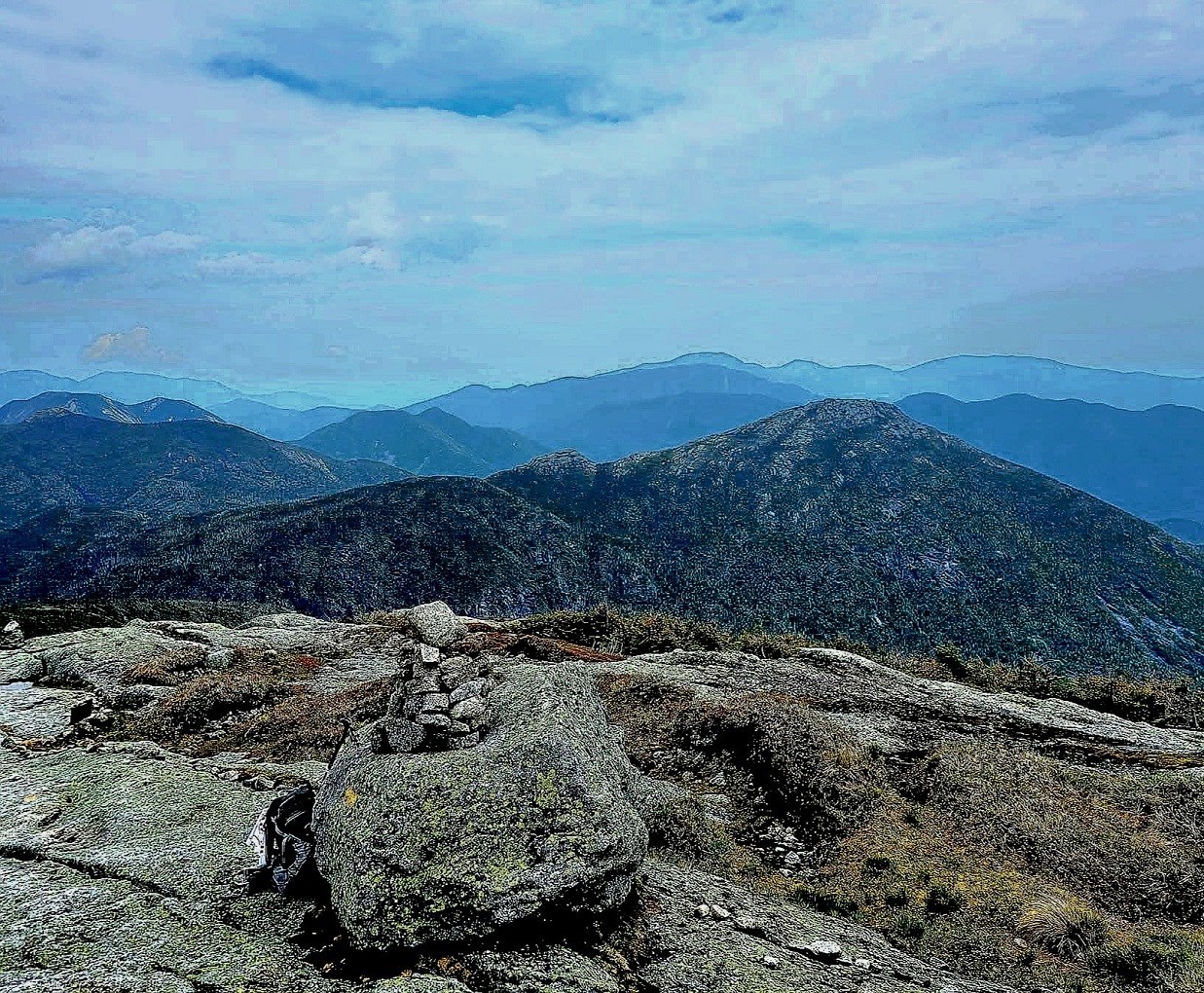
LAKE PLACID, New York — I consider myself fortunate to have spent many days among the highest peaks in the eastern United States. My first experience with the Adirondack high peaks was a single, grueling day my wife and I spent at the top of Mount Marcy, the tallest mountain in New York.
Getting to the top of the 5,344-foot summit was a challenge, but standing there, we couldn’t help but feel a sense of accomplishment. It was our introduction to peak bagging in the Northeast, and it fundamentally changed how we viewed hiking, as will muzzleloader hunters in New York’s special early season.
Marcy hosts genuine alpine flora — plants adapted to fierce winds, poor soil, cold temperatures and short growing seasons. The weather shifts quickly, even in the summer, and exposure near the summit demands attention. Standing there, clouds racing across distant ridges and temperatures far cooler than at the trailhead, it became clear why these mountains carry such weight in northeastern hiking culture. That broader perspective made James Appleton’s “The Adirondack 46: 18 Hikes” so compelling not merely as a guidebook, but as a thoughtful look at a challenge unlike any other in the East.
The Adirondack 46 traces back to early 1900s surveys that identified 46 mountains believed to exceed 4,000 feet in elevation. From that list grew the tradition of becoming a 46er — someone who climbs all of them – and what makes the accomplishment remarkable isn’t just the number, but the terrain required to reach each summit.
Adirondack trails are notoriously rugged. Steep ascents, punishing descents, ladders bolted into exposed rock, and stretches of thick mud are not exceptions, but they are standard.
Many summits require miles of approach before the true climb begins. Some trails are minimally maintained and navigation tools are essential.
The weather can deteriorate quickly, and the remoteness magnifies small mistakes. Finishing the 46 requires more than stamina; it demands patience, adaptability and respect.
For Pennsylvania hunters accustomed to the rocky and often rolling Appalachian terrain, the shift can be dramatic. The largest “culture shock” for Pennsylvanians when they arrive in the Adirondacks is the park’s vertical terrain.
“The biggest culture shock for most people when they get to the Adirondacks, specifically the High Peaks, is the dramatic elevation gain on the trails,” Appleton said. “Many trails often have 800–1,200 feet of elevation gain per mile, and that hits your body differently and in a way most aren’t accustomed to. Most of the trails go straight up the mountains, which leads to very heavy breathing and burning muscles.”
Appleton approaches his book with clarity and restraint. Rather than treating each peak as an isolated objective, “The Adirondack 46: 18 Hikes” organizes the mountains into 18 thoughtfully designed routes, linking summits where terrain allows.
This reflects how experienced hikers complete the range by balancing efficiency with the physical realities of long days in demanding terrain. The structure encourages thinking in terms of full mountain days rather than just a checklist of peaks.
“There are, however, hundreds of smaller mountains people can hike to build some mountain-hiking experience before the High Peaks,” Appleton said, pointing toward the Lake Placid 9 or Adirondack Fire Tower lists. For those ready to begin the 46, he recommends Cascade, Porter, Giant or Wright Mountain as strong entry points.
Appleton is both an accomplished outdoors writer and a seasoned hiker. His understanding of the Adirondacks is not boastful, but practical. He does not romanticize hardship or minimize risk, but presents the High Peaks as they are — stunning, demanding and worthy of preparation.
“I see most people underestimate their physical preparation more than anything, along with not having adequate food and water,” Appleton said. “Hiking often starts with an attitude of conquering the mountains.
“I have grown to despise this word and this attitude — nobody conquers a mountain. The mountains can chew you up and spit you out at any moment.”
With experience, hunters/hikers move from conquest to gratitude — a recognition of privilege rather than dominance. For those traveling from Pennsylvania, the High Peaks demand additional commitment.
The journey begins long before the trailhead. Travel time, logistics, and careful planning transform each trip into something resembling a small expedition. Yet that distance enhances the experience. Arriving in the Adirondacks feels intentional, almost ceremonial. These mountains are destinations earned through effort.
Ultimately, “The Adirondack 46: 18 Hikes” succeeds because it respects both the mountains and those drawn to them. It provides a thoughtful framework for tackling one of the Northeast’s most demanding challenges without losing sight of why the Adirondacks matter.
William Dempsey is a freelance outdoors writer and can be reached at wildlife@scrantontimes.com.