
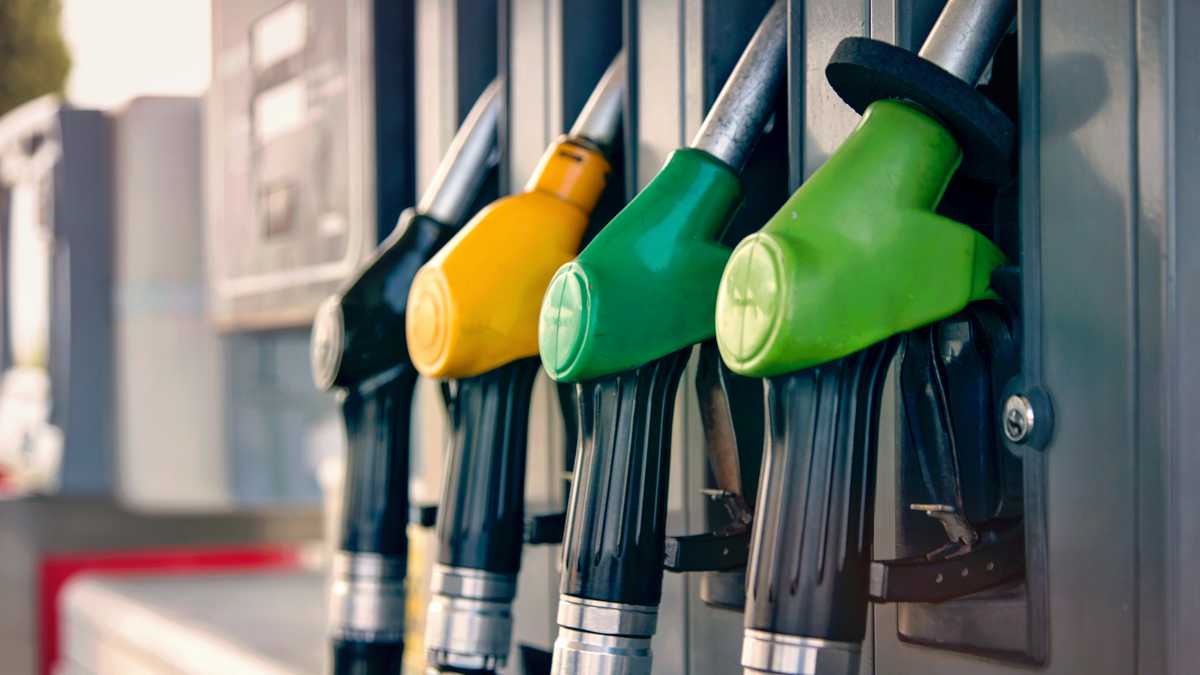
Diesel price surge hits food, shipping as energy costs add inflation pressure
Record diesel prices are increasing transportation costs and adding pressure to food costs, shipping fees and broader inflation as global oil disruptions continue.
 WASHINGTON —
Record-high diesel prices are increasing transportation costs for groceries, packages and everyday goods across the country, as disruptions to global oil supplies continue to strain the energy market.
Farmers in Texas say higher diesel prices are raising their costs at multiple points along the supply chain, from running equipment to moving cattle and crops.
The more it costs to grow, move and deliver those products, the greater the pressure on what consumers ultimately pay.
Food could be among the first places consumers feel that pressure, especially with beef, produce and other perishables that have to be hauled and restocked frequently. Diesel also powers tractors, combines and other farm equipment used to grow and harvest crops.
The national average for diesel reached about $6.06 a gallon Friday, a record high. That is up from $5.85 a week earlier and about $3.71 at the same time last year.
The spike is largely tied to the war in Iran, which has severely disrupted the flow of oil through the Strait of Hormuz.
And now there is another threat to supply. Saudi Arabia temporarily shut down its East-West oil pipeline after a drone attack. The pipeline has become increasingly important because it allows Saudi oil to bypass the Strait of Hormuz.
Earlier this week, President Donald Trump offered his own timeline for when he believes energy prices will come down.
“Right after the election, oil prices are going to be tumbling downward. They’re going to be tumbling down, and we’ll get them down. I think for gasoline we’ll get them below $2 a gallon,” Trump said.
When asked whether that would happen before the midterm elections, Trump responded, “I think it’s going to take a little bit longer than the midterms.”
In the meantime, the administration has drawn from the Strategic Petroleum Reserve and worked to increase the amount of oil reaching the market. The White House is also pushing to expand U.S. refining capacity and has met with refiners as part of that effort.
GasBuddy analyst Patrick De Haan says U.S. refineries are already operating near full capacity, limiting how quickly significantly more fuel can be produced.
Higher fuel costs are already showing up elsewhere in the supply chain.
Amazon introduced a temporary 3.5% fuel and logistics surcharge for some third-party sellers earlier this year. UPS and FedEx have increased fuel surcharges, while the U.S. Postal Service imposed a temporary surcharge on packages.
Experts say businesses can initially absorb some increases through existing freight contracts and retailer margins. But as contracts are repriced and fuel surcharges take hold, more of that cost can reach consumers.
Consumer prices rose 3.4% in August compared with a year earlier, while gasoline prices jumped 3.9% in a single month. The Federal Reserve is now widely expected to raise interest rates at its meeting next week. That could make mortgages and auto loans more expensive in the months ahead.