
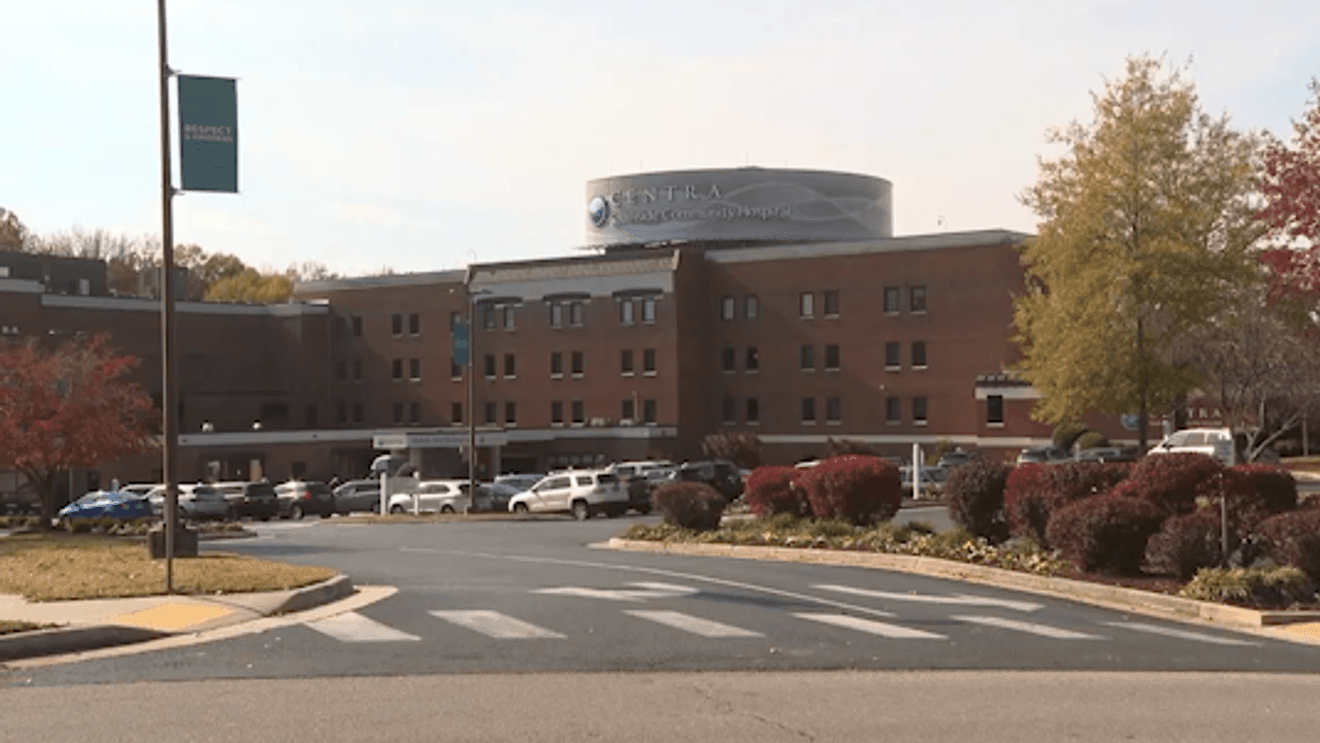
FARMVILLE, Va. (WSET) — Farmville patients who once drove just minutes for neurology appointments are now preparing for much longer trips as Centra plans to close its outpatient neurology unit in the rural community.
Patients say they learned of the closure through a letter in the mail. And for some like Ashley Miller, the announcement didn’t come as a a shock.
“I expected it,” said Miller. “There’s a lot of people around here that have a lot of medical needs, and nobody’s really getting them met.”
Miller says her appointments are on the back burner while she figures out where to get care next.
“Its kind of like a domino effect. You’re trying to manage your overall picture of your health, and you have to go see this doctor, and then that doctor in Richmond, this doctor in Chesterfield’,” said Miller. “It gets overwhelming.”
With the Farmville clinic shutting down, patients say they will have to travel miles farther for neurology care at hospitals like Lynchburg General.
In a statement from a spokesperson, Centra cited workforce, financial and operational challenges as reasons for the closure. The clinic was staffed by a team that included just one doctor.
Centra said it is working with patients to ensure a smooth transition of care to their next provider, but declined an interview.
We understand this change affects the Farmville and Southside communities, and we remain deeply committed to the patients we serve. Our priority is to ensure patients continue to receive the care they need with as little disruption as possible.
The closure comes less than a year after Centra’s labor and delivery unit in Farmville closed last December. Folks say the loss of services is narrowing already limited access to care in the area.
Justine Young, a former nurse at Centra Southside Hospital, said the community is being left with fewer resources beyond emergency care.
“We’re ending up here with the hospital that has no resources outside of the immediate emergency room, so you will have to be shipped out for almost everything,” Young said.
Young was on her way to an appointment in Richmond, when it was cancelled and she had go back home. While she says she can afford to make that drive, she knows many neighbors who can’t.
“My concern is when something does happen here locally, you’re not going to get treated,” said Young. “You may not get treated timely depending on how long it’s going to get to take to get you moved or transported.”
As a former healthcare worker, Young says she’s worried the majority of those who need neurological outpatient care just won’t be able to make it to their appointments anymore.
SEE ALSO: Centra brings advanced heart imaging to Lynchburg
“We’re ending up here with the hospital that has no resources outside of the immediate emergency room,” said Young. “So you will have to be shipped out for almost everything.”
For Young, that concern is personal, too. Her parents are in their late 80s, and she worries about what happens when they can no longer make the drive for care.
“It’s an hour to two hour drive to anywhere to get them appropriate treatment,” she said. “So it just increases your risk. So yeah, it’s scary.”
Julian Walker, Vice President of Communications for the Virginia Hospital & Healthcare Association, said staffing shortages are already a growing challenge across the commonwealth.
He said the problem can be even harder in rural communities trying to support specialized care such as neurology.
“When it comes to rural community in particular that is an ongoing challenge for healthcare to attract and recruit people with specialized clinical training to come and practice and provide care services in those communities,” Walker said.
Walker also said emergency rooms could face longer waits because of increased demand for care. He says these impacts trickle down from decisions made on a national and statewide level.
“What we’re looking at now is a $35 billion impact on health care providers and hospitals in Virginia over ten years as a result of H.R.1,” said Walker. “When you’re talking about a loss of funding of that magnitude, that is going to ripple across the health care delivery system
The unit is set to officially close Sept. 29 , 2026.