
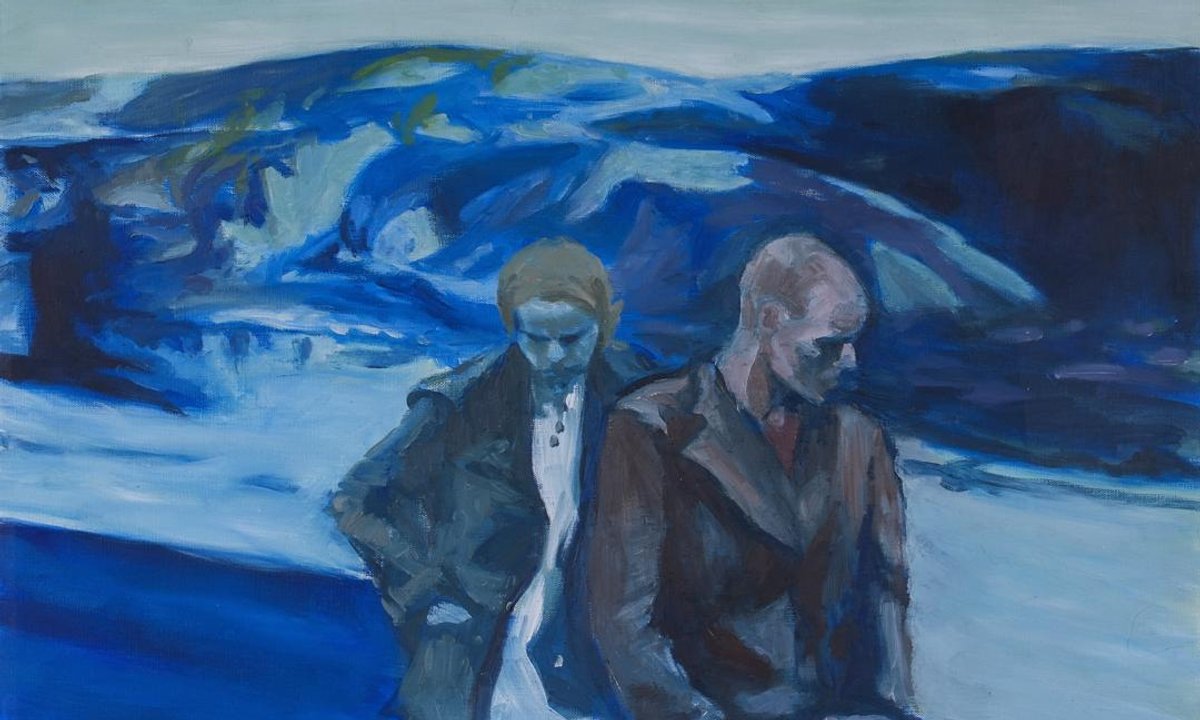
Nearly 200 works by around 100 Iranian artists will go on display at Ab-Anbar Gallery in London this month, in an unusually large collective exhibition aimed at giving younger artists international exposure at a time when Iran’s art scene is increasingly isolated.
The organisers say A Present Tense: Contemporary Artists Living and Working in Iran, running from 19 to 26 September, is a rare opportunity for international audiences to access a large quantity of contemporary Iranian art, much of which has had limited exposure outside the country.
Around 20 Iranian galleries and art spaces have taken part. For Salman Matinfar, Ab-Anbar’s founding director, the exhibition is also about sustaining this network of galleries and the artists behind the work. Forced closures during the ongoing conflict have added pressure to Iran’s gallery scene, which was already facing challenges, primarily due to historic sanctions. Iranian artists also face significant barriers to participating in the international art world: galleries abroad are often reluctant to represent them because sanctions complicate shipping, payments, and other transactions, while visa restrictions make travel abroad complicated.
“The ecosystem includes the gallery, the artist—everyone is suffering,” Matinfar tells The Art Newspaper.
The show grew out of conversations last year between Matinfar and Orkideh Daroodi, founder of Tehran’s O Gallery, one of the capital’s most established and visited galleries. With sanctions and restrictions affecting travel and shipping, Daroodi says people outside Iran frequently ask what they can do to support artists in Iran. “We figured it was best to take the works to them,” she tells The Art Newspaper from Tehran.
The exhibition deliberately avoids presenting a single picture of Iranian art, instead bringing together different approaches and a wide range of styles and subjects, Daroodi says. Pricing has also been selected “very carefully”, Daroodi and Matinfar say, ranging from anywhere around £200 to £3000, to make the works accessible to people beyond select art collectors and to give each participating gallery the opportunity to make sales.
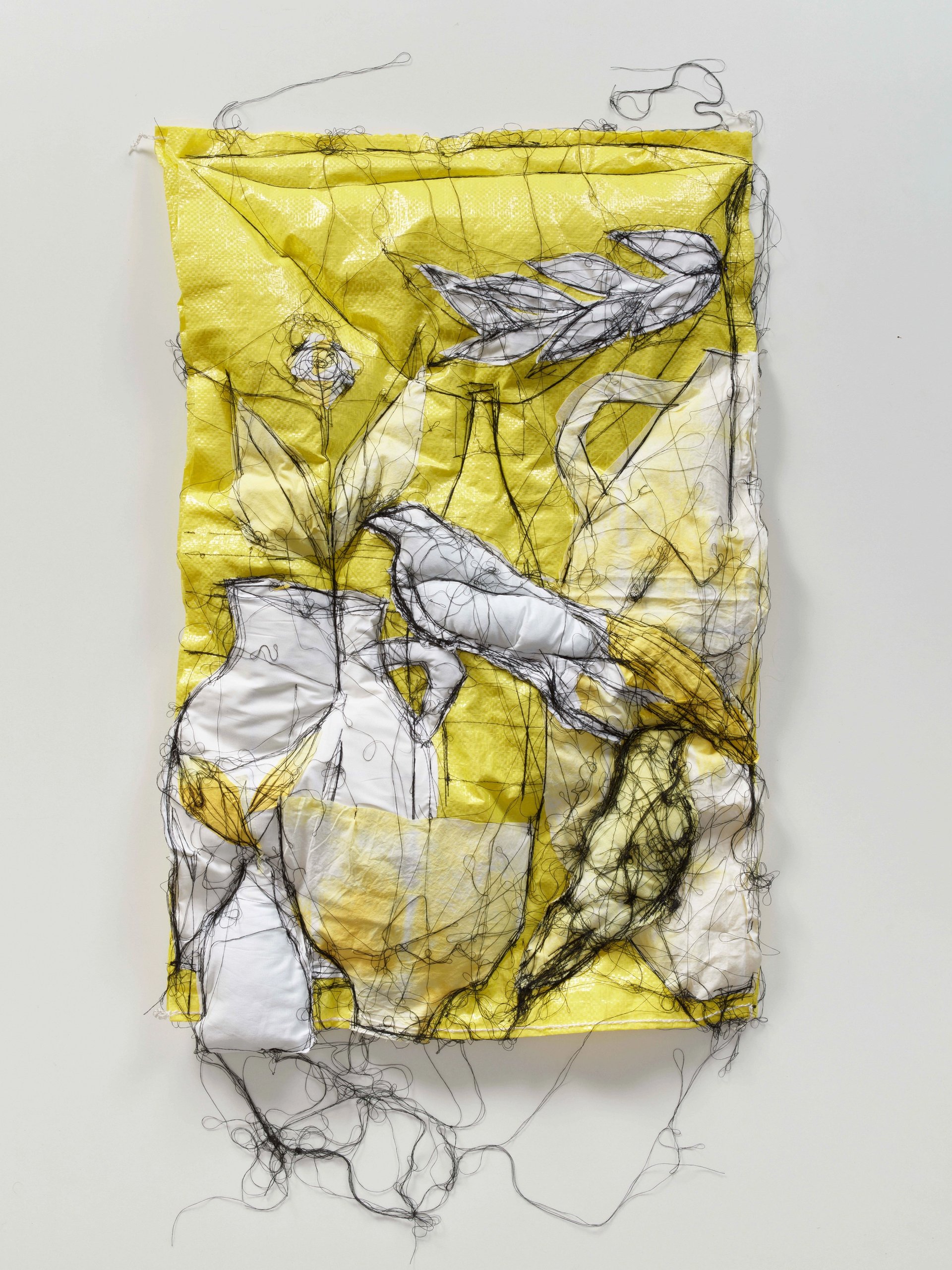
Laleh Memaradestani, Yellow Rose #2 (2026). Memaradestani’s practice involves drawing, painting, printmaking and textile art
Courtesy of the artist and O Gallery
Matinfar was once part of Iran’s art scene himself, before closing his Tehran gallery and opening the London venue in 2020. Ab-Anbar offered its space and waived its commission. Daroodi, meanwhile, contacted independent artists and galleries across the country, presenting them with the London proposal. “There is an impression that Iranian galleries don’t work together, and this was a good opportunity to show that this isn’t true,” she says. She describes the response as “very special”, with galleries agreeing to participate largely on trust and accepting the risks involved in shipping their work abroad—including the lack of guarantee that the works will be shipped and returned safely. In her 15 years in the Iranian art business, she says she has not seen a collaboration of this scale.
Daroodi believes, however, that the experience of war has played a part in bringing the galleries together and changing perspectives. “This uncertainty of not knowing what may happen tomorrow—we may all die in a bombardment—is a very scary thought,” she says. She recalls one night during the war when heavy bombardment shook her home to the point where she thought it may collapse and she may die. “Those experiences really change your perspective,” she explains. “They make you think, let’s take it easy, be a little less competitive, let’s try and work together. We don’t know what may happen tomorrow,” she adds.
The project has not been without complications. Daroodi says the volatile situation has made getting the works to London particularly difficult and costly. Despite selecting smaller works on paper, cardboard and textile to ease transport, shipping costs have been far higher than anticipated.
Matinfar hopes the exhibition will eventually travel to other major art hubs, including New York, Paris and Los Angeles.
“We want to show that art is a way of connecting people and this should never be stopped under any circumstances,” he says.