
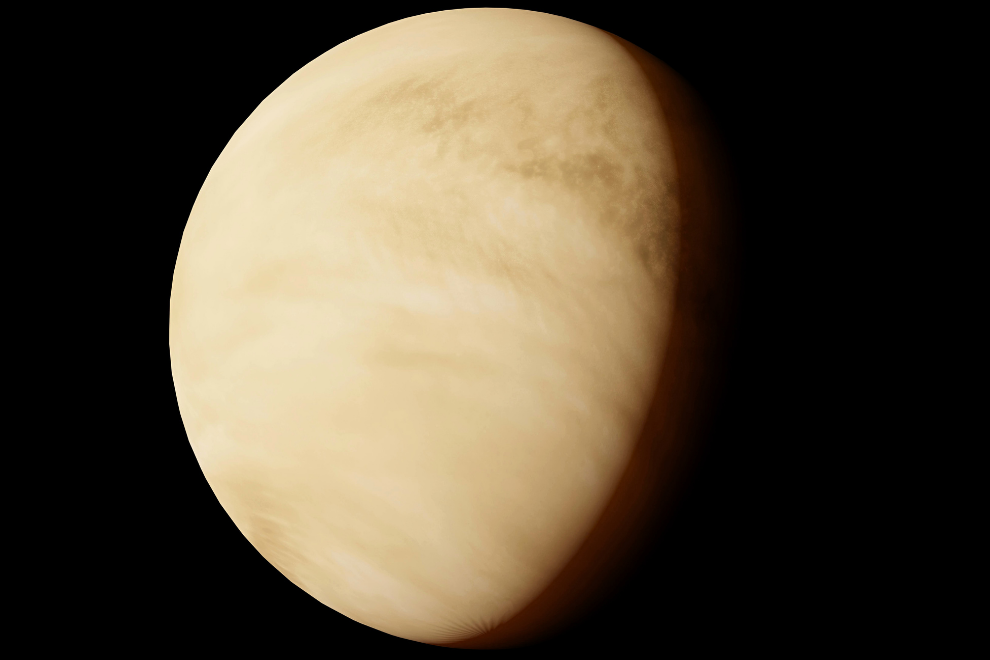
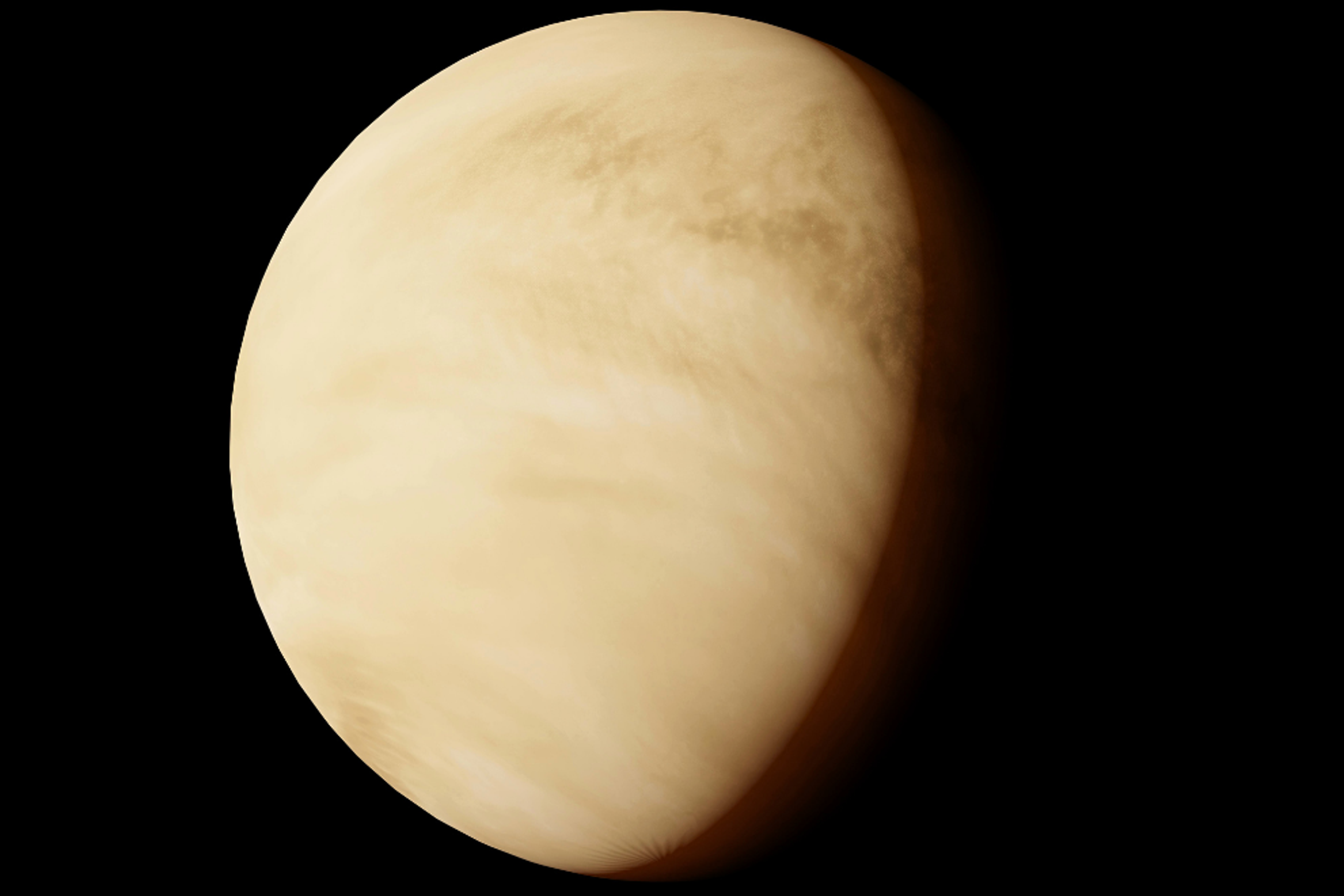
 Skywatchers are in for a treat with a brilliant Venus peak on Sept. 18. Here’s everything to know. – Photo courtesy of Zelch Csaba from Pexels
Skywatchers, take note: the brightest thing you’ll see this week may not be the moon. Rather, a brilliant Venus will light up the September night sky, with the planet set to shine brighter than almost anything tonight, Sept. 18, after sunset.
According to NASA, Venus is forecasted to reach its peak brilliance in the evening tonight, with the planet appearing lower than usual in the night sky and just above the western horizon.
Unlike the August blood moon or Perseid meteor shower, this astronomical event is forecasted to be one of the fall’s easier celestial displays to witness with just the naked eye — though some skywatching essentials like a telescope or binoculars will certainly help to enhance your viewing experience.
For a complete brilliant Venus viewing guide, read on:
What you need to see this week’s brilliant Venus event
Despite being the second planet from the sun, Venus is a much more forgiving skywatching target on the eyes — and unlike the solar eclipse that took place earlier this fall, you won’t need special glasses in order to take in the views of this week’s astronomical display.
Certain sky-watching essentials can be helpful to ensure you get the best view, though, like a telescope or binoculars; I’ve linked out a few of my favorite stargazing products below.
The best telescope for viewing the meteor shower
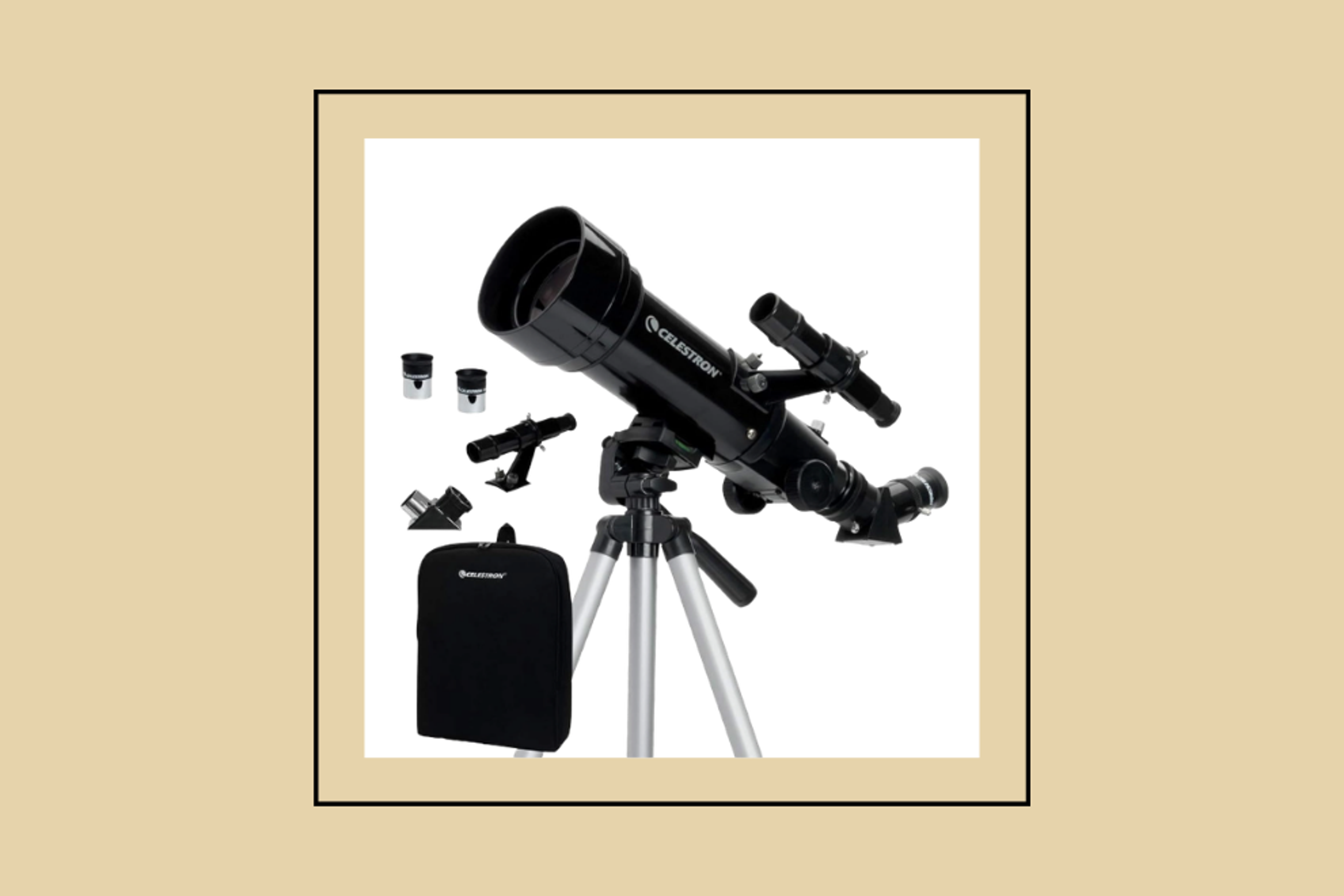 Shop the best telescope for viewing the meteor shower – Photo courtesy of Amazon
Designed for adults, kids, and beginner stargazers alike, this travel telescope is equipped with a 70mm aperture for the clearest views of planets (like Venus!), meteor showers, and other celestial displays.
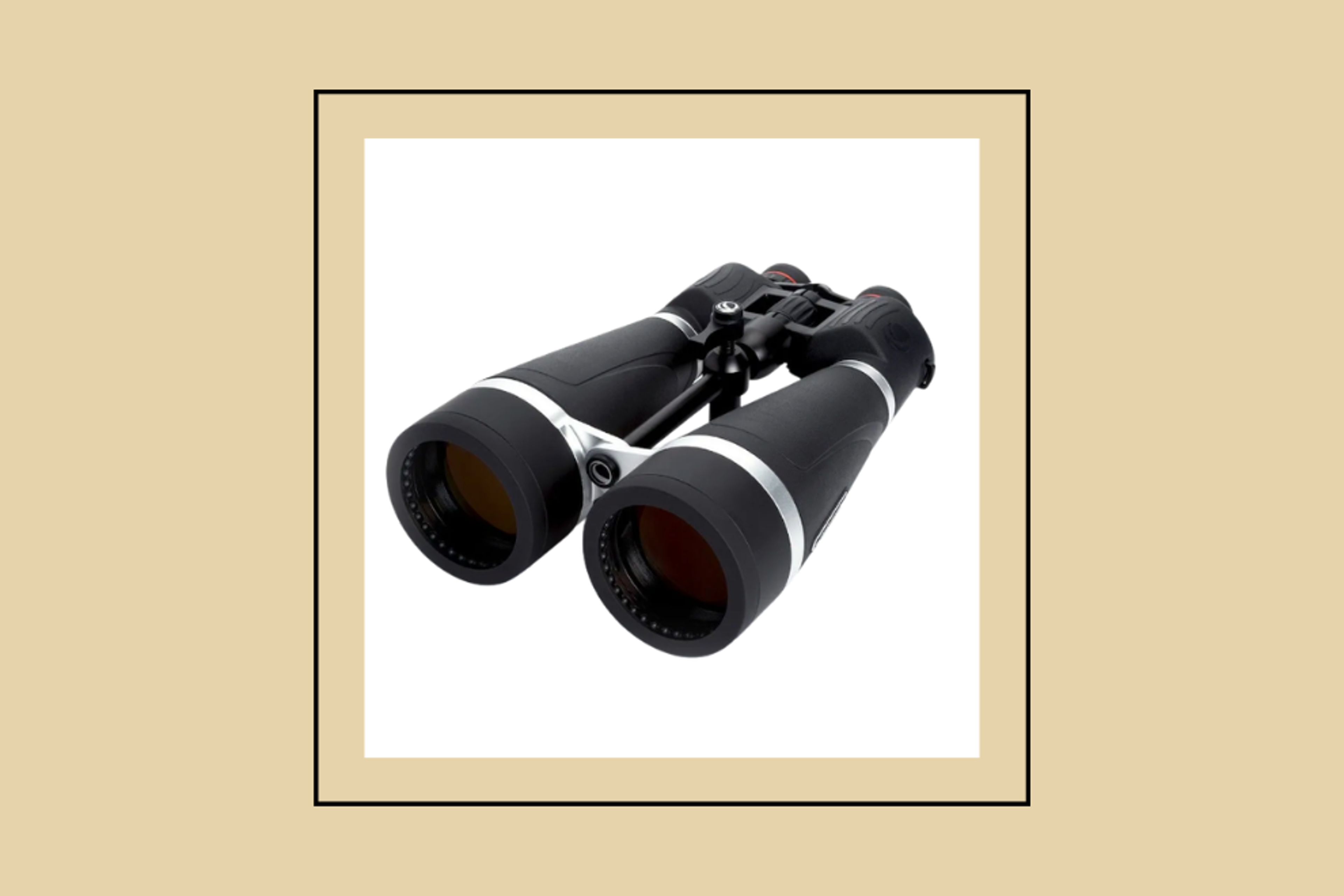 Shop the best binoculars for viewing the meteor shower – Photo courtesy of Best Buy
It’s not a proper telescope, but these high-tech binoculars offer an unparalleled view of the night sky, with superior optics that’ll give amateur astronomers an up-close glimpse of the grandest celestial events — including Venus at peak brilliance.
What is brilliant Venus?
Brilliant Venus is when the planet Venus emits maximum luminosity, shining at its brightest in the night sky and resembling more of a sparkling star than an actual planet.
“Venus at greatest brilliancy” refers to the planet’s point of orbit, when its brightness is at its peak — which in the case of this week’s celestial events, is set to occur in the night sky tonight, Sept. 18. It will also mark Venus at its brightest until 2028.
What time is Venus at peak brilliance?
Look up 30-60 minutes after sunset tonight, Sept. 18, to witness brilliant Venus in the night sky; the planet should be situated low in the western sky, with a reported brightness magnitude of -4.8.
Venus will appear as a steady, white light that looks brighter than virtually every other star.
More sky-watching tips:
For a better sky-watching experience, use these tips to guide your brilliant Venus viewing:
Get away from light pollution: If you can trek to a dark-sky spot or at least an area with minimal light pollution, you’ll have a much better view of the night sky.
Avoid phone screens: Give your eyes minimum 20 minutes to adjust to the dark skies, keeping bright screens and distractions at bay.