
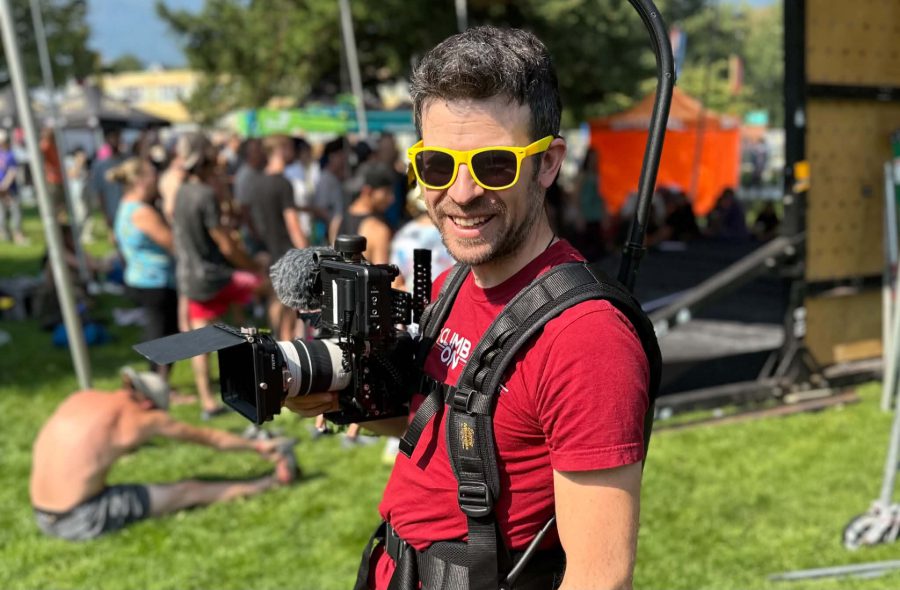
Alex Ratson has spent a lifetime moving towards mountains. Based in Squamish, B.C., he works as a freelance and contracted climbing and lifestyle photographer, visual media producer and photojournalist. Climbing is his calling card, but his camera is as interested in the people and places around it as the climbing itself. Here, Ratson gives account of his journey and what happens behind the lens.
Who is Alex? How did you find your adventure streak? I first got interested in the mountains and climbing when I was five. I remember being at the top of a local ski hill with my dad, looking at the larger mountains on the horizon and asking, “Dad, what’s on the other side of those mountains?” He said, “You’d have to go and climb them to find out.”
My dad was a true outdoorsman, although not a climber at the time. We got into technical climbing and learned together.
Not long after, we met the Heathens, a notorious climbing club on Vancouver Island, at a Greg Child slideshow. Their ringleader, Chris Barner, took us under his wing and developed a comprehensive five-year training plan, which we began in 1995.
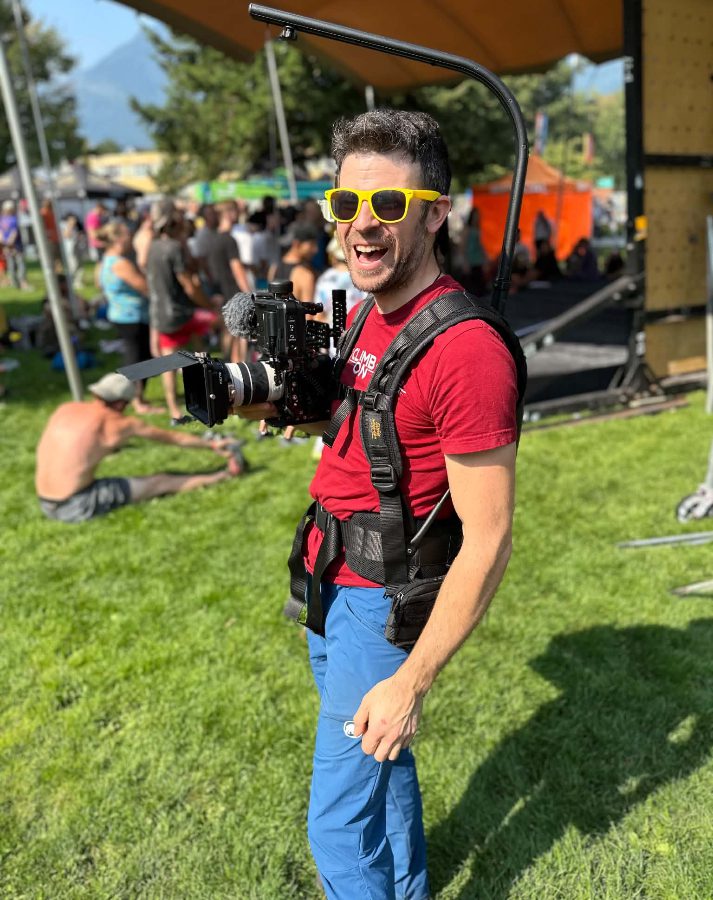 Alex Ratson at the Arc’teryx Climb Academy in Squamish. Photo by Brandon Pullan
The plan went beyond technical skills, with reading lists and workshops covering stove maintenance, packing, stream crossings and navigation.
Looking back, I am blown away that some rando stoner like Chris and the rest of the Heathens put so much time and effort into a kid. I once asked him why he did it. He said he thought it would be a funny social experiment to see how far he could push a kid and his dad.
In 1998, or maybe 1997, he wrote an article titled An 11 Year Old Man and a 50 Year Old Boy. That title pretty much sums up the social result of what Chris did.
When did a camera become your voice? What attracted you to wilderness photography, particularly climbing? I first got interested in visual storytelling when I was 13. I took a media studies elective focused on video production and got hooked. Capturing climbing and the natural landscape came naturally to me.
I continued pursuing it through high school, taking as many media, television and production courses as I could. It was pretty much all I did. Eventually, I went to film school at Capilano College, now Capilano University, in North Vancouver.
Although my creative language became still photography, my formal training was in television, broadcast and motion picture production. I have no regrets about that.
One thing central to film, but often not taught in photography programs, is narrative storytelling: at a minimum, you need a beginning, middle and end.
With photography, I love capturing the beginning and the end. Let’s call the hero action shot of the send the middle. The beginning, working towards that point, and the end, trying to get home after you top out, are often where my favourite images come from.
Those photos tell the story rather than simply showing the climber as a badass who walked up and sent their project.
Without a beginning and an end, you miss the crying, laughing, shivering, talking and taking shits in awkward spots. Those are the true memories.
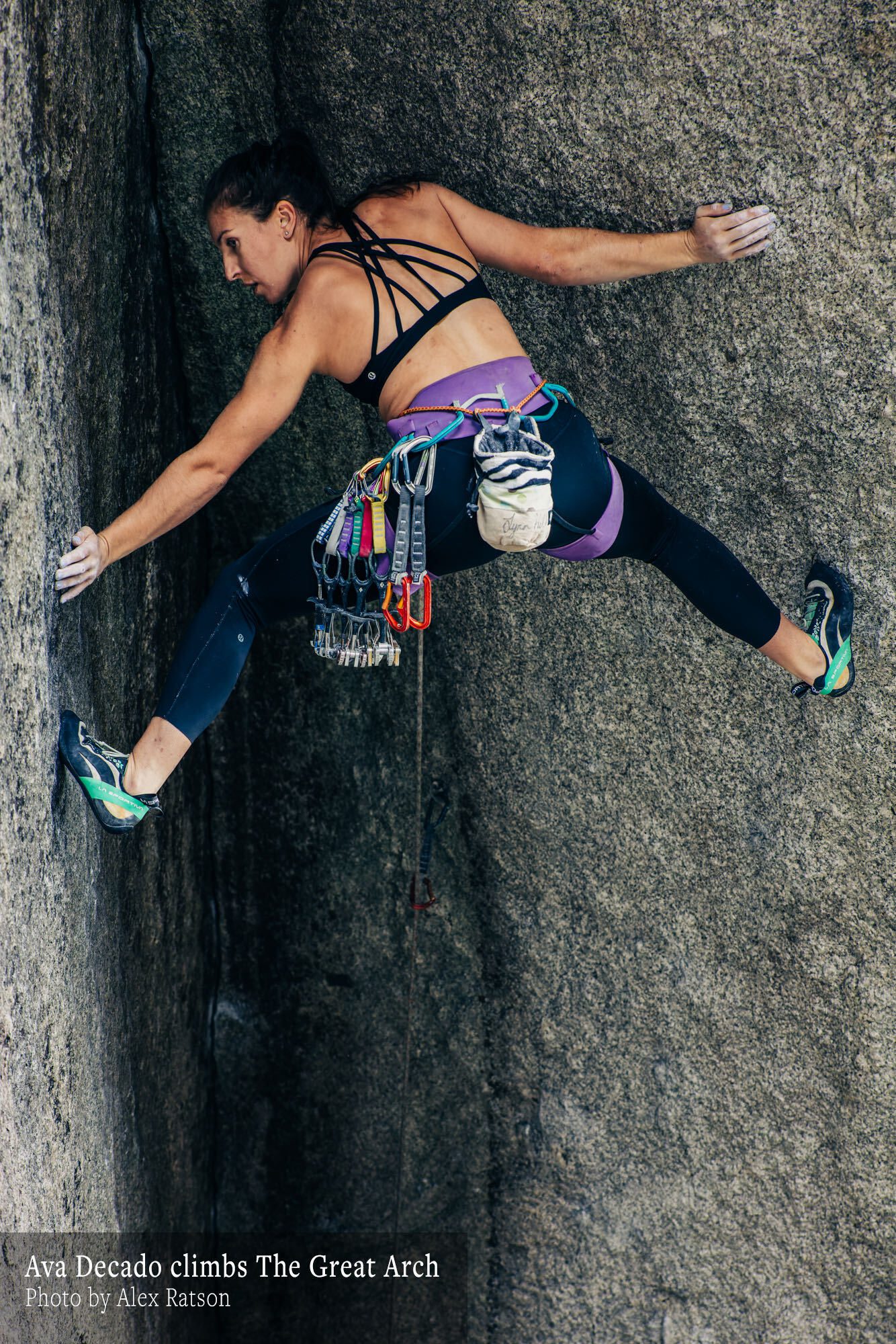
Canada has a rich array of mountain environments. How do you complement a place when capturing the climber? Outside climbing photography, I have worked as a photojournalist for wire services and newspapers.
In journalism, there are the five Ws for captions: who, what, when, where and why. Then there is EDFAT: Entire, Detail, Frame, Angle, Time. I keep these in mind when shooting, trying to get as many of those five Ws into a frame as possible and using EDFAT to make sure a series of images works together.
Ideally, someone can look at a picture and know where it is, what it is, when it is, who is there and why they are doing what they are doing. If you can capture those things, you have a picture worth a thousand words.
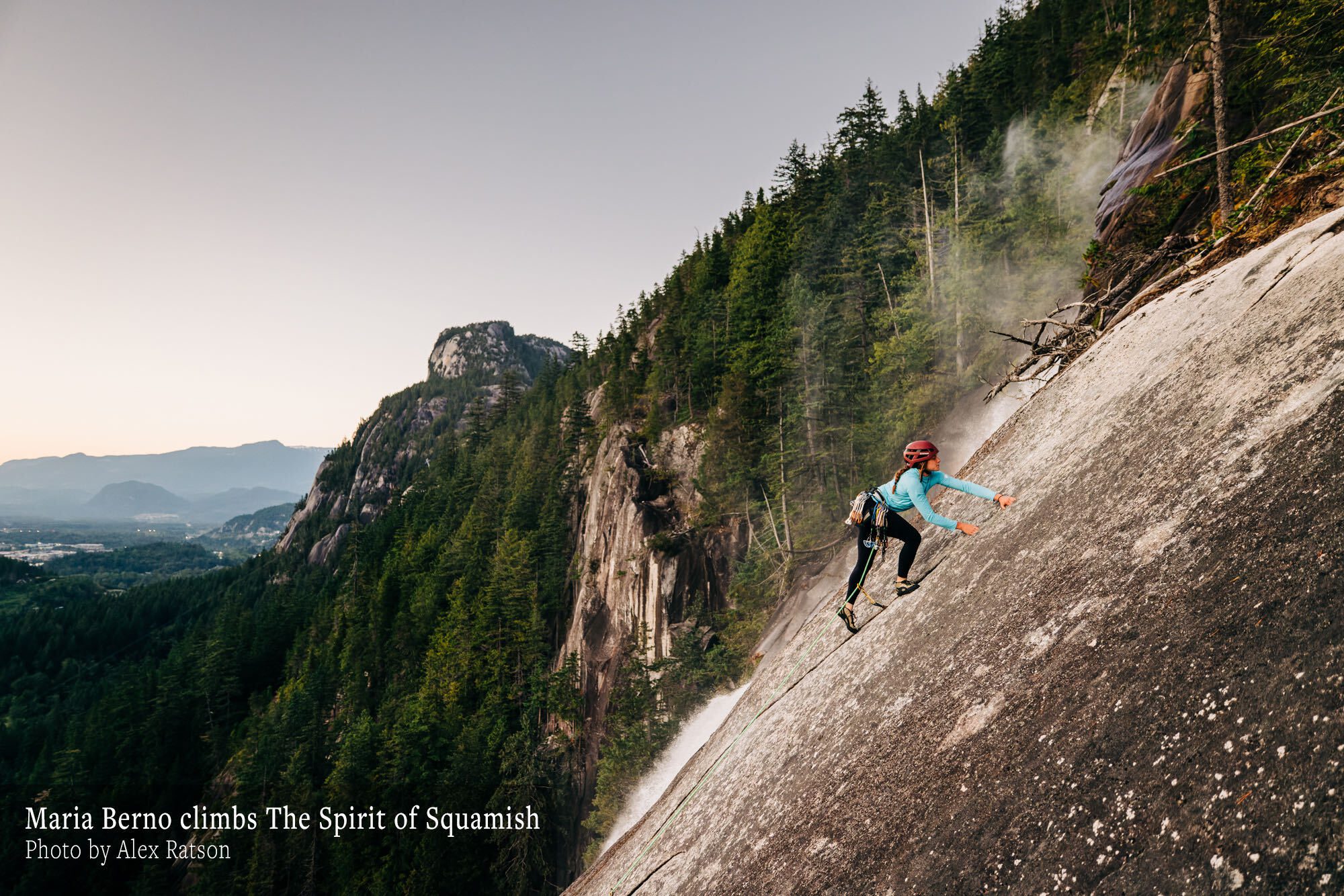
If I am shooting on the Chief, I do not want every image looking straight down at the ground from overhead. I will get off angle to show Howe Sound, or how the world’s second-largest granite monolith interfaces with the town of Squamish.
I want to show a sense of place. Climbing photography is a hard call, both physically and professionally. Break those two open.
It is much easier for an existing climber to get into climbing photography than for a photographer to get into climbing photography. Like anything in photography, access is 90 percent of the picture. If you cannot get to the spot, it does not matter how good you are at taking photographs.
Physically, you often need to keep up with top-tier climbers. Even if they are rope-gunning you up something, it can be demanding. I am often blending big-wall, aid-climbing, free-climbing and rope-access skills to get into position.
Professionally, the business side can be rocky. With an oversaturated market and the devaluing of media, it is a race to the bottom financially.
For myself and many others in the industry, diversity is key. That means multiple income streams. Beyond freelancing in the outdoor industry, I work as a photojournalist, submit stock images for royalties, and have a staff job as a visual media producer for Climb On Equipment.
COVID proved the value of that diversity. There was almost no freelance work, but stock photo sales and news imagery were booming.
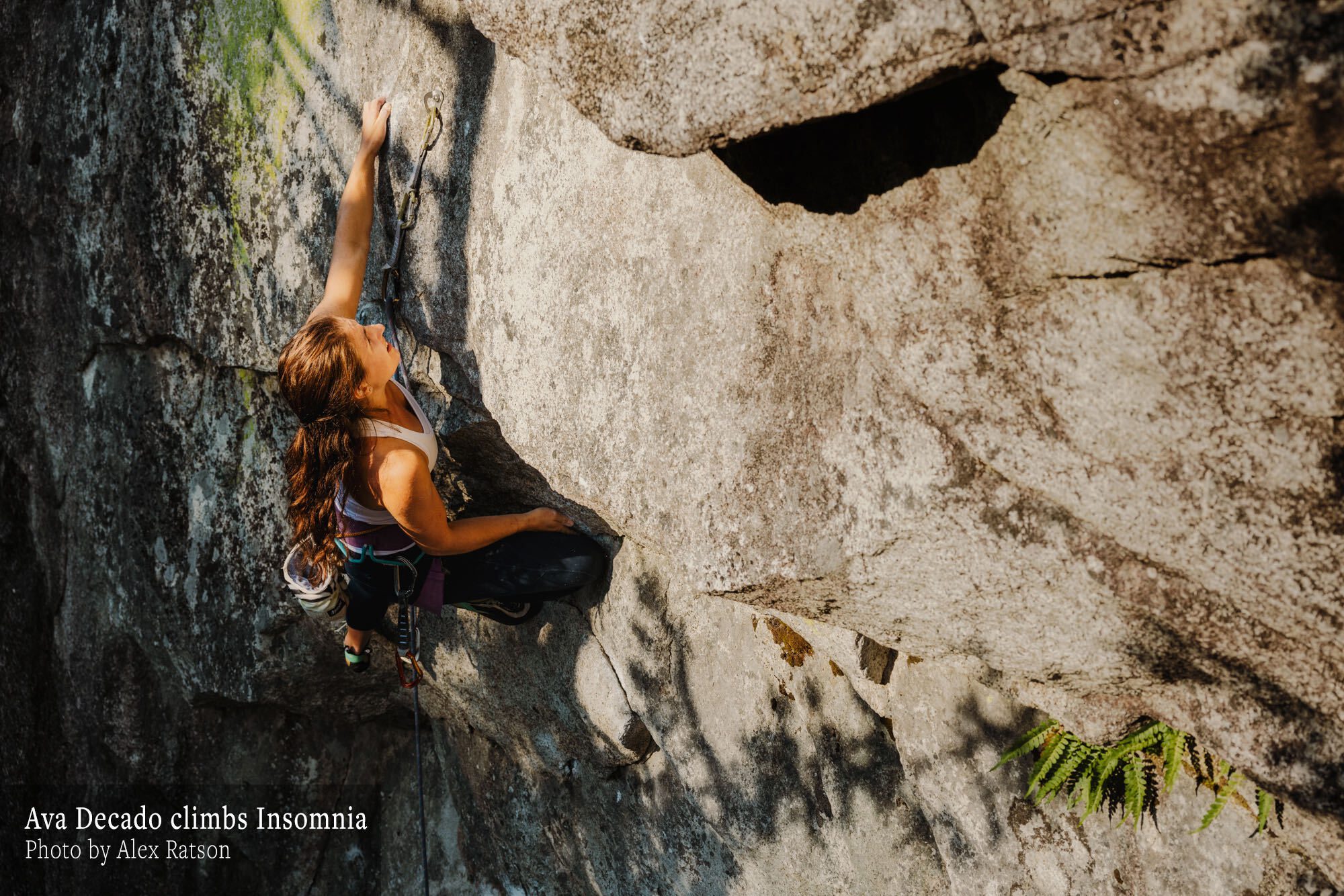 Alex Ratson Photography
Is there a story that highlights the physical strain of capturing an image? The physical side is often the easiest to manage. Things can be hard, but training can overcome that. Most of the strain is mental, both for me and the people I work with.
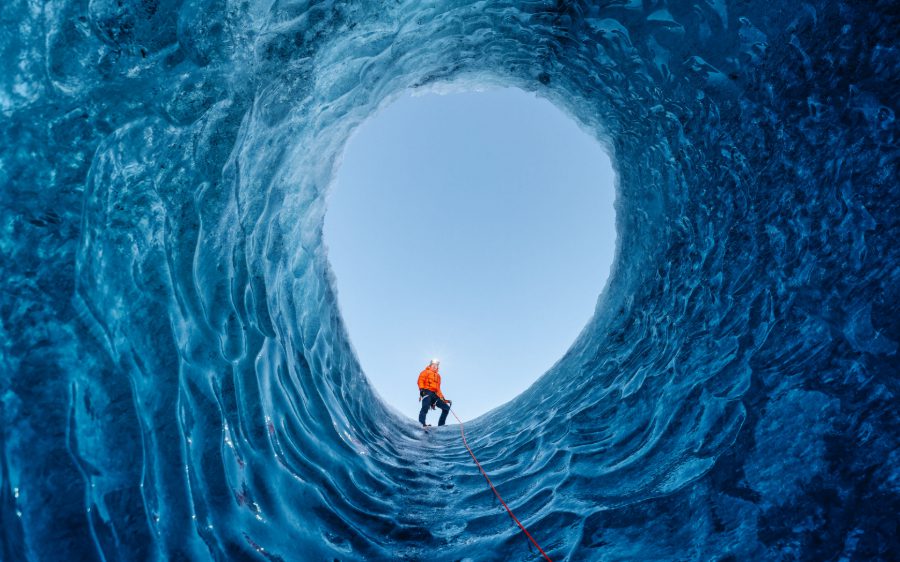
I have given myself permanent nerve damage in my right index finger from holding my metal camera in the cold. Especially when shooting ice climbing, I can be hanging out waiting for the climber to come into frame, shivering my ass off and knowing I am fucking my finger up more, but I do not want to put the camera down because that is exactly when something will happen.
There is also the challenge of rallying team members to go out in uncomfortable conditions: too cold, too hot, too humid, all the usual climber excuses. Or staying out late to shoot the blue-hour light after sunset.
How do you maintain the patience required to make an income from this? Being comfortable with a low amount of traditional wealth helps. I do not do this for the money. I do it because it is my calling. When people are not paying me to take photos, I still take photos. If you are doing this purely to make money, especially if you have lofty wealth goals, you probably will not find success and will hit burnout quickly.
I do not own a house. I do not have kids. I drive a 10-plus-year-old car that I will drive until it dies, and my most valuable assets are cameras and lenses. These make me financially nimble and resilient. I have few financial liabilities and no debt. If I were living a life with a house and kids, I would not be able to pull off what I am doing.
Who have been your favourite climbers to shoot, and what makes working with them a treat? That is tough. I have not worked with many people I do not like.
Rather than call out one person, I would say the trait that makes the best subjects is passion. Working with a climber who is genuinely passionate about what they are doing fires me up. The worst is when someone is purely doing something for the camera.
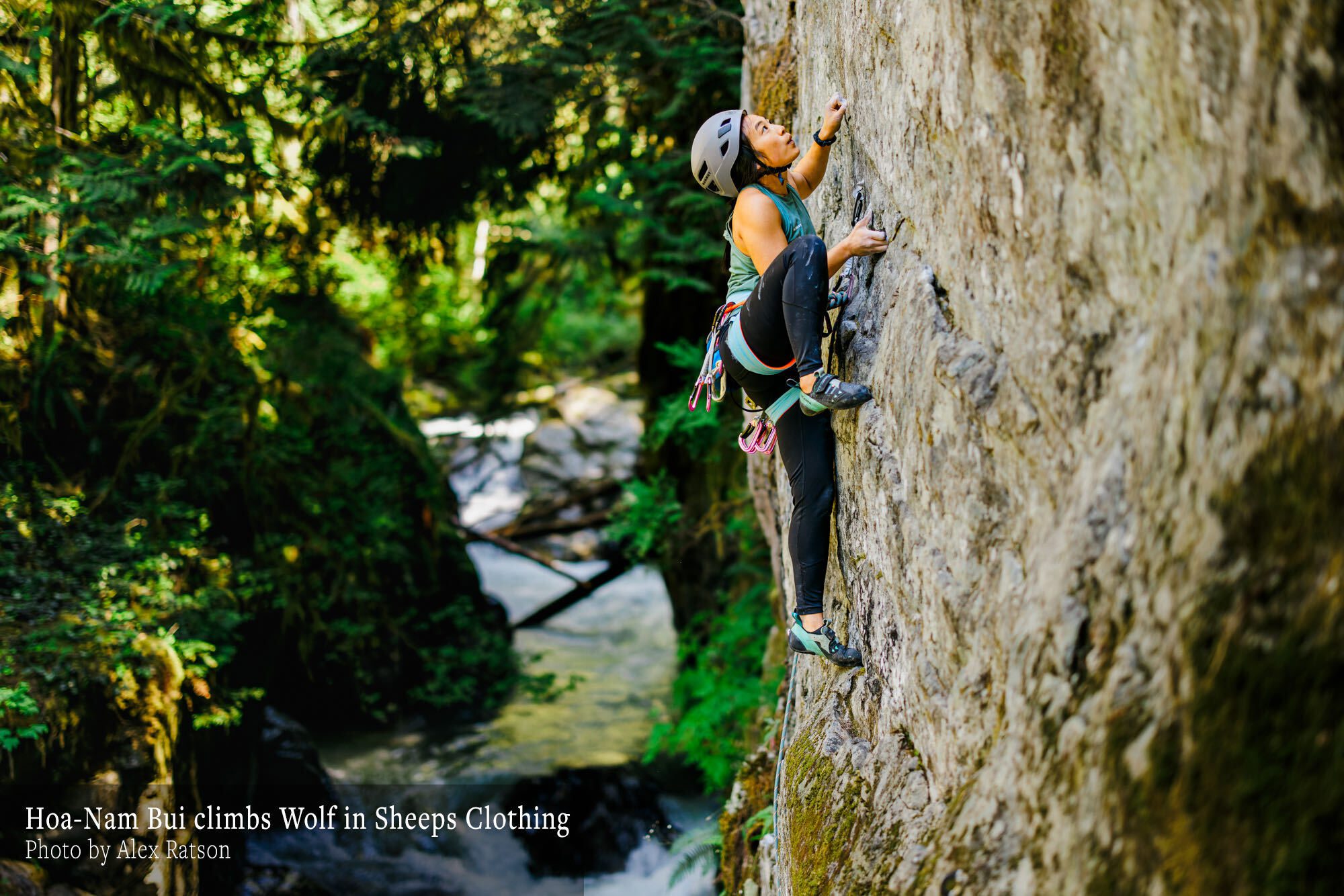
Can you give an example of building rapport with a climber? One recent example is my now-friend Evan Beatty. Evan has been on a run developing new routes in Squamish. Last summer he asked if I would join him to shoot a route he had retro-cleaned.
I found it inspiring that he put effort into re-cleaning a route that had already been climbed. Sometimes route development can feel a bit like colonialism, where the fixation is on the FA title that goes in the guidebook. This felt like the opposite.
I told Evan I would love to document the route-development process for Climb On Equipment. He later invited me onto his new 11-pitch route, Baled of Rock Ridge, the Sheriff’s Badge of the Chief.
It was one of the wettest early-December days. Evan figured I would spend a little time on the wall before rappelling off and leaving him to work. The weather was trash. He was removing dirt and moss from the rock, making things incredibly muddy. But that is the reality of route development, and I embraced it, spending the full day with him and shooting the whole time.
After that, I think we had a mutual respect for each other. He subsequently invited me back to shoot him and his friends climbing some of the pitches, along with other new routes in the region.
One thing I have learned is that as a photographer or filmmaker, you should never start packing up or stop shooting after you get “the money shot.”
Heh, you do not know what will happen next, and you unintentionally signal to the climber that what they are doing now is no longer important. Even if it is not important to you as the photographer, staying on the wall out of respect goes a long way towards maintaining rapport.
Which wilderness and climbing photographers have influenced you? My first photo hero was Galen Rowell, an extremely strong climber who also had a solid technical photography skillset.
Beyond Galen, most of my photography inspiration comes from outside climbing. I find it valuable to look at other genres. I love true photo essays, where the imagery tells real-life stories. That is the main reason I pay for a New York Times subscription.
Some non-climbing inspirations include Ted Grant, a mentor of mine and the godfather of Canadian photojournalism, along with James Nachtwey and Chris Hondros.
Movies and filmmakers have also influenced me. Being born in the mid-80s, I grew up watching Steven Spielberg, Quentin Tarantino, Wes Anderson, Spike Lee and Spike Jonze. From a pure cinematography perspective, Roger Deakins and Emmanuel Lubezki stand out.
What is more difficult: being behind the camera or getting your shots out there? The most difficult part is the uncontrollable part. Behind the camera, things can be physically or technically difficult, but those problems can be overcome with grit and practice. Getting the images out there is harder.
Professionally, it is always supply and demand. Often the demand is low, or when it is high there is a larger pool of photographers. Standing out can be tough.
There are many amazing photographers who are not professionally successful.
What are your aspirations for the near future? My biggest aspiration is to tell new and meaningful stories with my camera. That is what fires me up. Who it is, where, what or how all comes secondary.
I would much rather tell an amazing story about someone no one has heard of on an easy route than photograph a big-name celebrity climber on the hardest route. That is what keeps me going.