
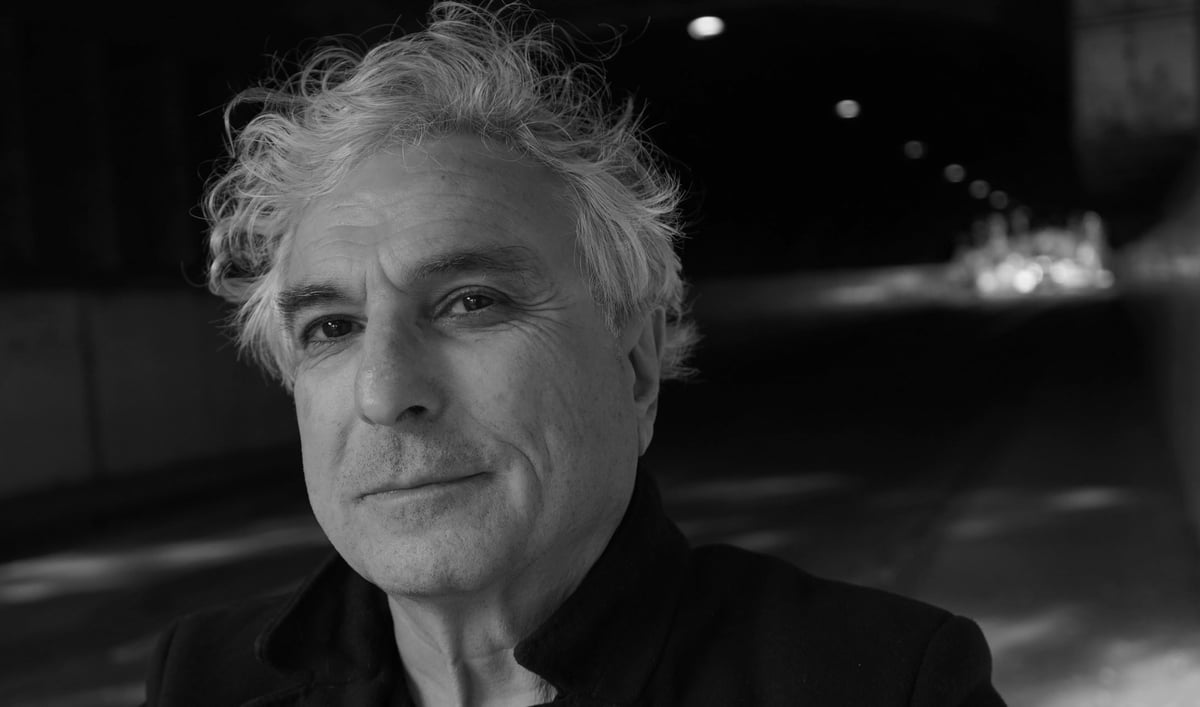
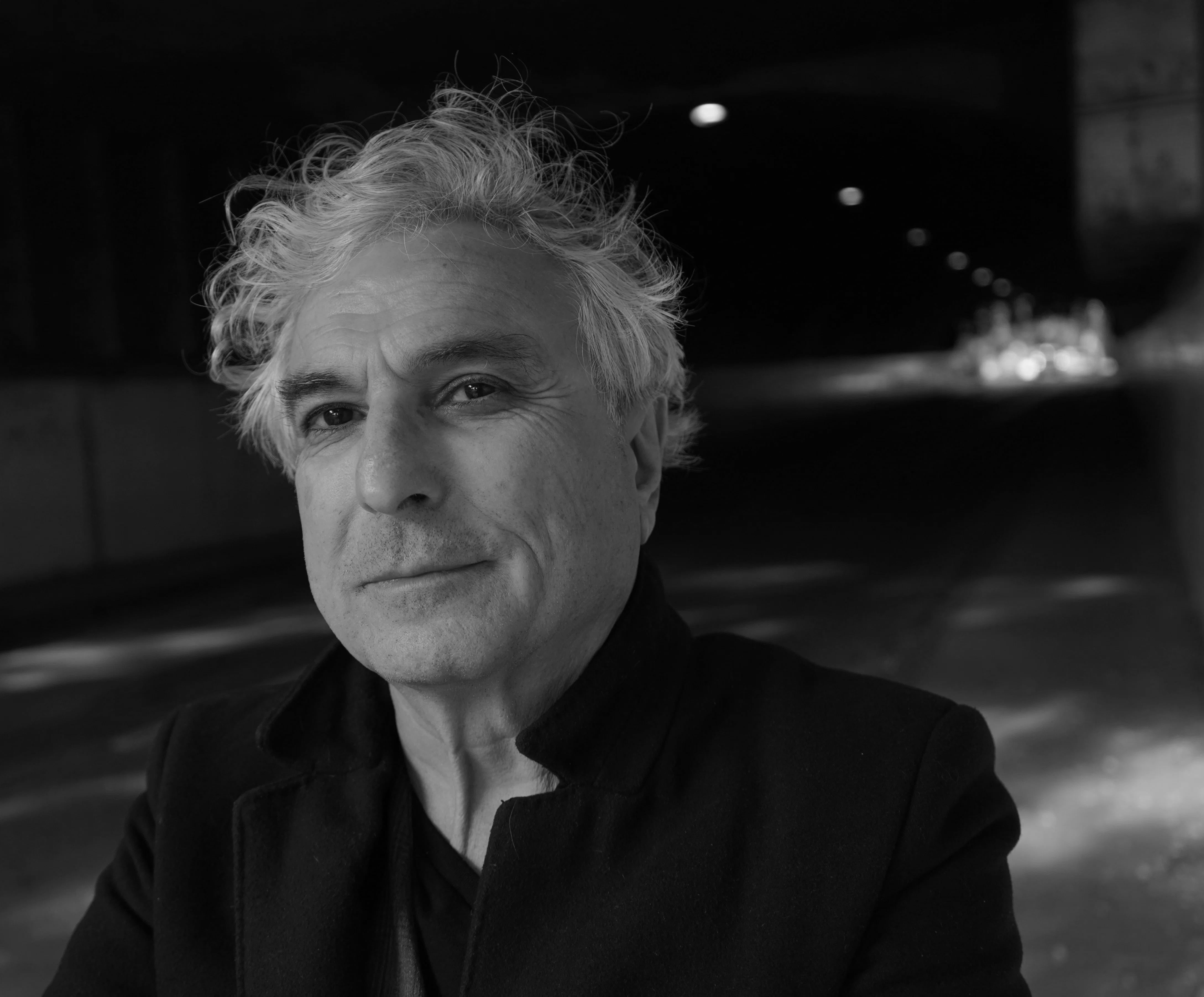
Orhan Ayyüce. Photo by Fred Porter
Orhan Ayyüce, the architect, educator, writer, longtime Archinect contributor, and deeply loved member of the Los Angeles architecture community, died suddenly and unexpectedly on September 20 at his home in Albuquerque. He had recently moved there with his wife, Tina, to begin his retirement in La Luz del Oeste, the Antoine Predock-designed community that had become especially meaningful to him.
For more than two decades, Orhan was one of Archinect’s most devoted contributors, collaborators, advocates, critics, provocateurs, and friends. His relationship with Archinect was not easily contained by a title. He wrote, interviewed, reported, argued, introduced people, collaborated on projects, participated relentlessly in the Forum, and helped hold together relationships across generations of our community. His loss will be felt across the Archinect community, the Los Angeles architecture world, and by the many people whose lives he entered with uncommon generosity and attention.
My first memories of Orhan are blurry, parties in Venice during the first few years of the 2000s, when Archinect itself was still young and the boundaries between our professional community, social lives, and this new world of online architectural discourse were not particularly clear. Orhan seemed to enter that world almost effortlessly. Very quickly, he became part of Archinect and part of my life.
Those early years attracted an unusually intelligent, creative, argumentative group of architects, writers, urbanists, students, and other people interested in the built environment. Orhan recognized something in that community immediately. I have often wondered whether it reminded him of another formative architectural experiment he had encountered decades earlier.
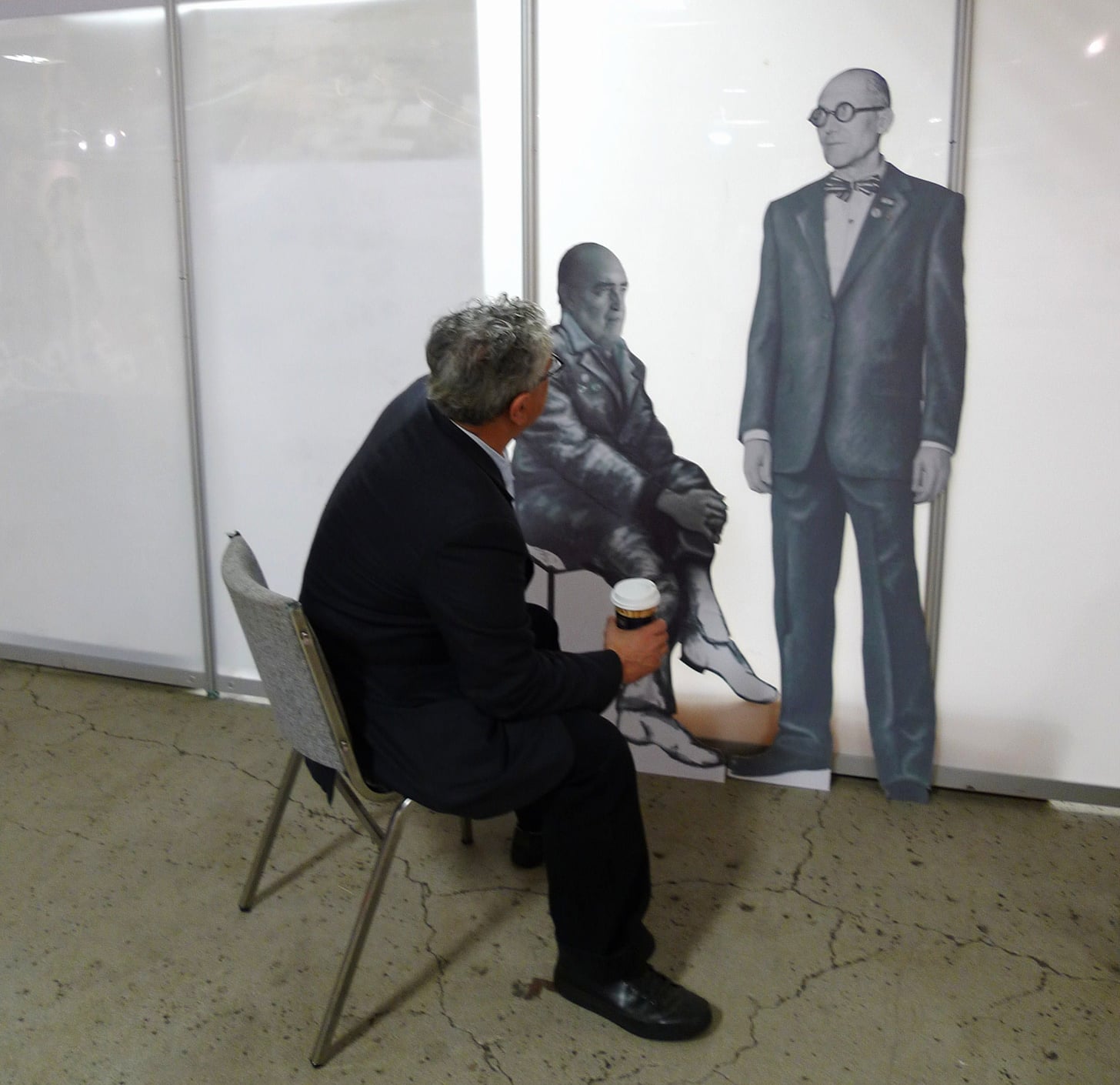
Orhan came to Los Angeles from İzmir, Turkey, in the 1970s and attended SCI-Arc from 1978 to 1981, only a few years after Ray Kappe and a group of faculty and students had broken away from Cal Poly Pomona to establish an experimental architecture school in Santa Monica. Orhan never stopped returning to the radical optimism of that period. In his writing and conversations, early SCI-Arc was a rough, uncertain, rebellious place where architecture, art, teaching, experimentation, and everyday life overlapped.

Orhan, Glen Small & Ray Kappe
His 2006 interview with Glen Small, his first interview for Archinect, opens with a vivid recollection of early SCI-Arc at 1800 Berkeley Street, where dismantled airplane wings, models of space stations and interplanetary cities, and experimental structures filled the school, and some students were effectively living and working inside what they built. Years later, Orhan would describe that original culture as something that should continue to live through dissent. When SCI-Arc students challenged conditions at the school, he argued in the Forum that rebellion itself was part of the institution’s DNA.
Orhan never treated Archinect primarily as a publication. To him, it was a community, and communities required participation
That spirit carried directly into the way he participated in Archinect. Orhan never treated the site primarily as a publication. To him, it was a community, and communities required participation.
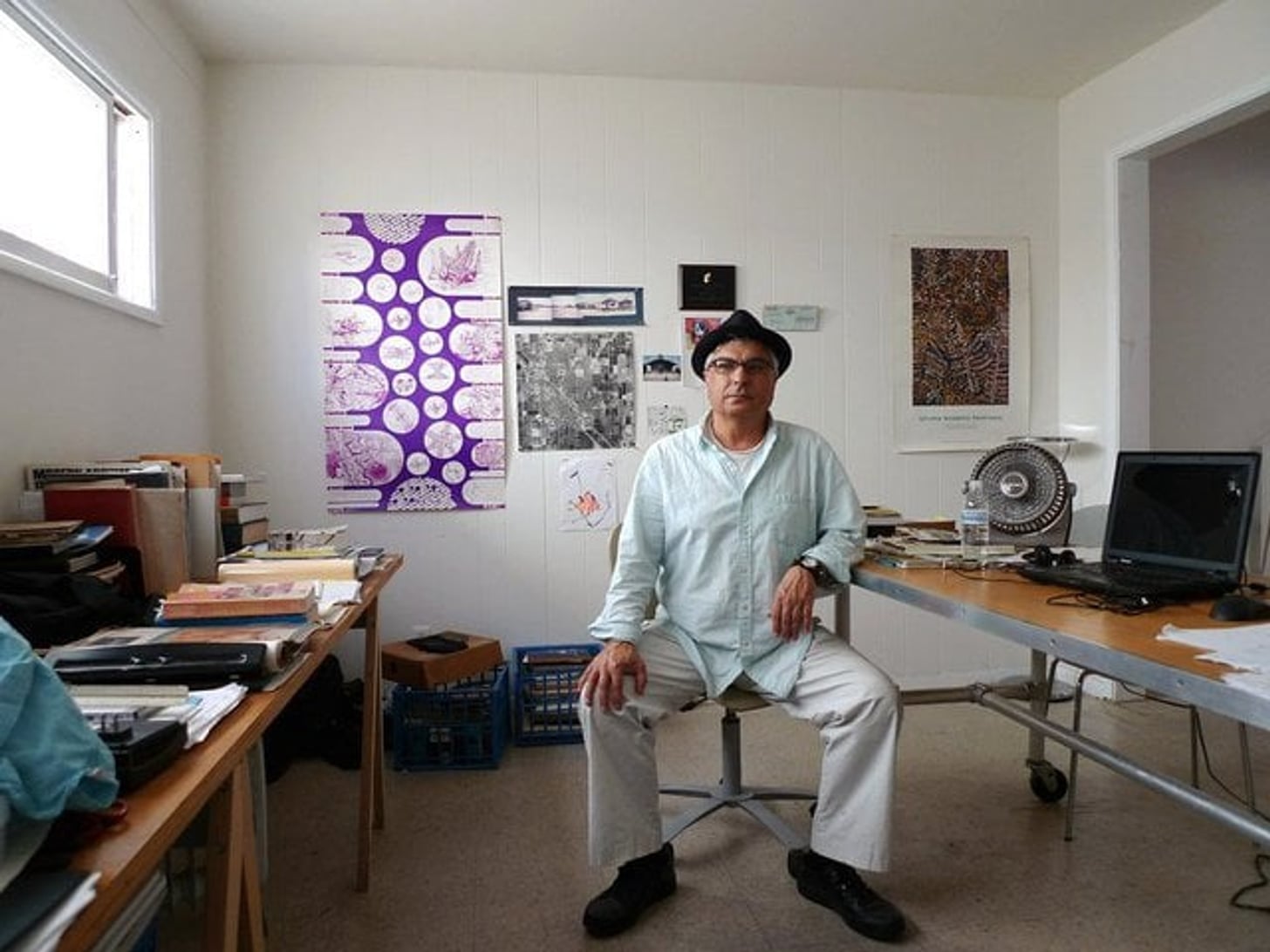
Self-portrait by Orhan
Perhaps the clearest example is Thread Central, which he started in 2006 under his early username, abracadabra. The premise was simple: a discussion thread about all the other discussions happening across Archinect. It grew into an enormous, wandering conversation encompassing architecture, politics, books, work, personal lives, humor, arguments, friendships, and thousands of tangents. Twenty years later it has accumulated more than 80,000 posts. Orhan once described the strength of the Archinect Forum as its ability to maintain a healthy collection of views and oppositions. He meant it. He had little interest in surrounding himself only with people who agreed with him.
He could be forceful, sometimes aggressively so, when he believed someone was wrong. But disagreement rarely became permanent estrangement. If someone challenged him thoughtfully and generously, he could forgive the argument almost immediately and become their friend. He cared far more about whether someone was sincerely engaged than whether they happened to share his position.

The Green Machine, Glen Small. Image courtesy of Orhan Ayyüce.
That generosity extended throughout his life. Orhan had an instinct for directing attention toward people he believed deserved more of it. Glen Small became perhaps the clearest example. Orhan interviewed him, collaborated with him, documented his work, repeatedly argued for the importance of his ecological and urban thinking, and eventually organized and curated the 2013 exhibition Glen Small: Recovery Room. When Small was preparing to leave the United States for Nicaragua, Orhan helped him sort and store decades of models, drawings, and other material. His concern was not simply for a friend. He believed the architectural culture around him had failed to adequately recognize important work.
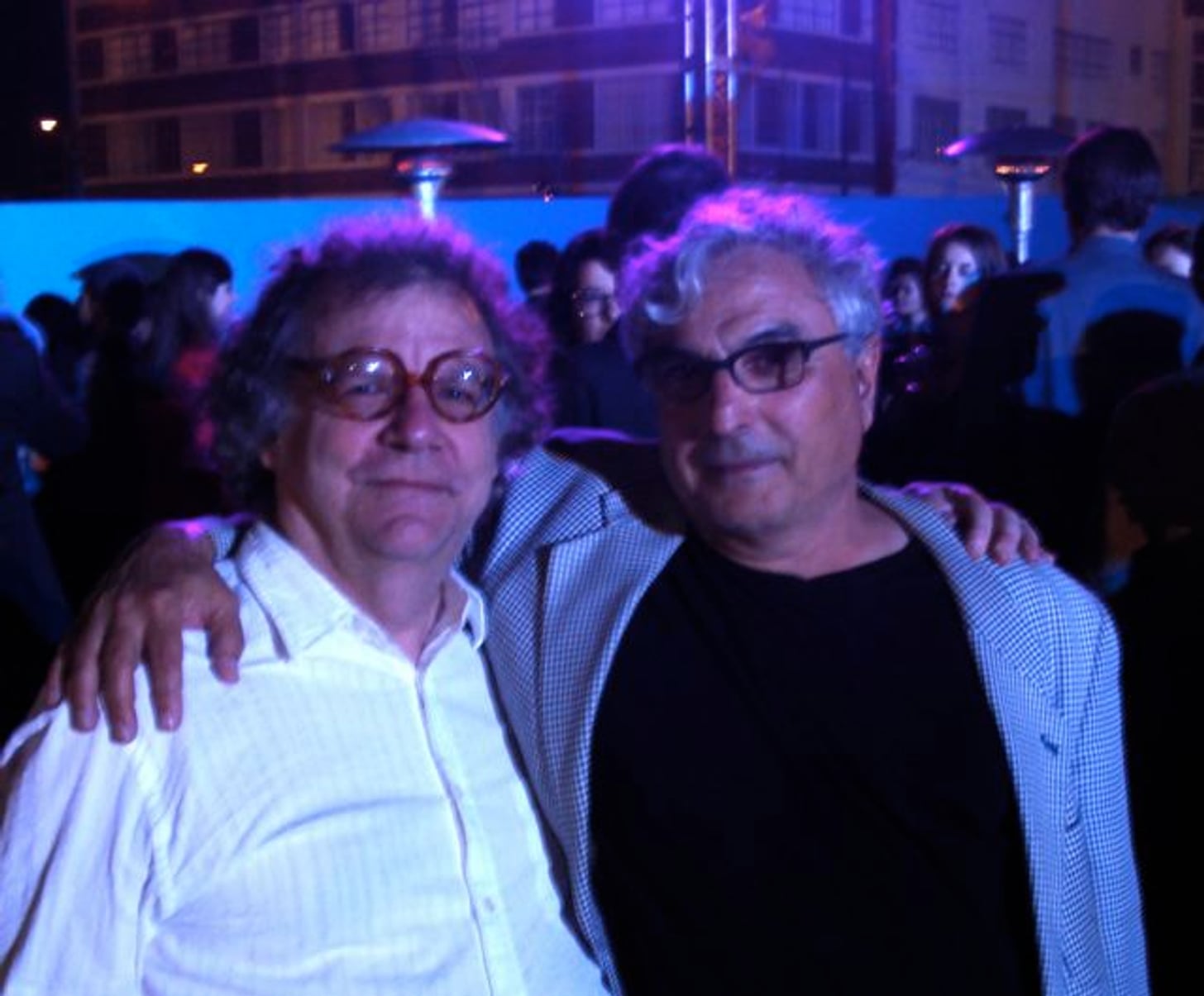
Eric Chavkin and Orhan at SCI-Arc’s 40th anniversary party in 2013
Eric Chavkin, another close friend dating back to Orhan’s early SCI-Arc years, occupied a similar place in his life. Orhan admired Eric’s enormous knowledge of architecture, art, books, film, and Los Angeles, and repeatedly brought his critical voice into Archinect. Their friendship represented something Orhan valued deeply, the ability to spend years looking at architecture together, arguing about it, making fun of it, remembering its history, and changing one’s mind.
Orhan’s attention was often drawn toward things that architectural culture had overlooked, misunderstood, or allowed to deteriorate. When Richard Neutra’s VDL Research House was in serious disrepair, Orhan responded to director Sarah Lorenzen’s request for help by publishing “Neutra’s VDL House; v. Hard Times” in 2008 and becoming actively involved in the preservation effort. When the building later received National Historic Landmark status, Orhan’s writing was credited in helping the campaign. The VDL House subsequently became something of an Archinect home in Los Angeles, hosting conversations with architects including Ray Kappe, Tadao Ando, Carme Pinós, Guy Nordenson and many others.

Paul and Orhan, in conversation with Francis Kéré in September 2025 at the Neutra VDL House in Los Angeles. Photo courtesy of Cal Poly Pomona.
The same impulse shaped the places he chose to study. Orhan loved Los Angeles, but not primarily through its familiar monuments. He was drawn toward its industrial landscapes, infrastructure, warehouses, working districts, rivers, forgotten buildings, and uncomfortable contradictions. Vernon, in particular, became something of an obsession. In “Los Angeles, the Industrial City,” he wrote about taking students and visitors through the nearly empty industrial city on weekends, drawn to its immense factories, rail lines, workers, pollution, politics, and what he memorably called “beauty in toxicity.” He wanted other people to learn how to see what he saw there.

Tijuana inspired a similarly sustained curiosity. In 2017, teaching at Escuela Libre de Arquitectura, Orhan started an Archinect blog documenting Constellations of Tijuana, an urban research project in which students used mapping, interviews, photography, models, drone footage, stories, and fieldwork to understand the city. He called Tijuana “a galaxy with endless stories.” Rather than impose a singular interpretation, Orhan wanted to create a structure through which many different versions of the city could emerge.
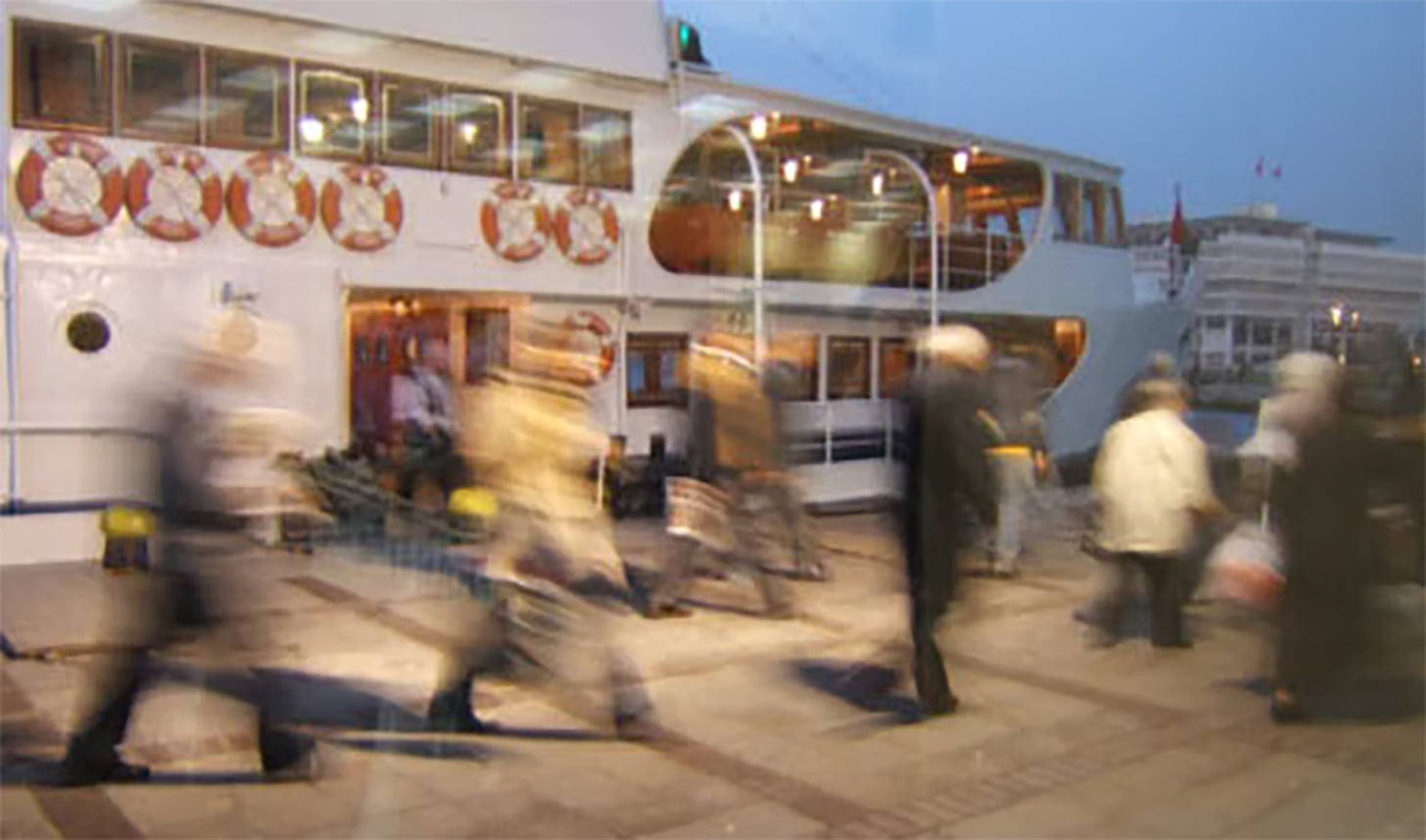
Archinect Travels: Izmir, Turkey
That approach also characterized his relationship with İzmir, the Aegean port city where he was born. In “Archinect Travels: Izmir, Turkey,” he resisted romanticizing his birthplace, focusing instead on migration, factories, density, labor, trade, and the enormous port. “The port cities are the most liberated cities,” he wrote. The idea seems to echo through many of the places he later became fascinated with, cities shaped by movement, exchange, industry, migration, and competing histories.
Teaching was another way Orhan put those values into practice. He was especially proud of his work at East Los Angeles College and regularly defended the seriousness of community-college architectural education. He emphasized that students could receive strong design and technical training, transfer to schools including SCI-Arc, USC, UCLA, Cal Poly Pomona, Woodbury, and UC Berkeley, and avoid years of university tuition in the process. He cared deeply about widening access to architectural education and helping students who had not necessarily entered the profession through its most privileged channels.
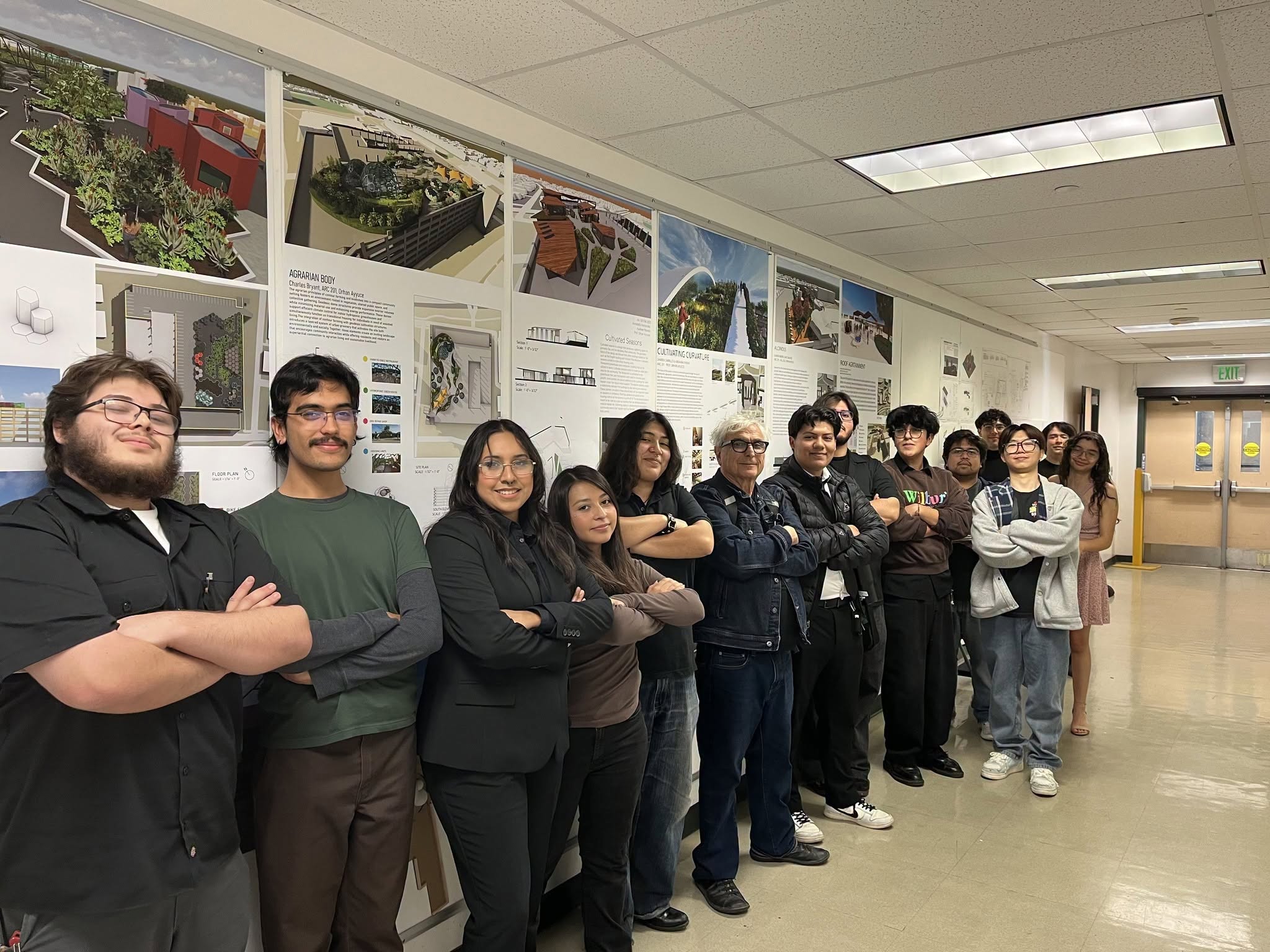
Orhan, on winning an AIA|LA Educator of the Year Award
Professionally, Orhan was a licensed California architect, an AIA member, and maintained an independent practice largely focused on residential and smaller commercial work. His selected projects included the Malama Learning Center, Silver Lake Residence, and Cubes, and he received an honorable mention in the Istanbul Community Market Ideas Competition. Architecture as a profession never seemed sufficient to contain his curiosity. Writing, criticism, teaching, activism, preservation, interviewing, and community-building were all part of the same life.
Archinect became one of the places where those interests could come together. Orhan was generally titled an Archinect Senior Editor, though his relationship with Archinect was always more unusual and informal than that title suggests. He was never a full-time employee. He was our field reporter, writer, interviewer, collaborator, advocate, and sometimes conscience. We worked together on interview projects, the Los Angeles Biennale project in Shenzhen, and countless conversations that began as one thing and became something else. In Shenzhen, that instinct toward open-ended discussion helped shape an experiment in representing Los Angeles through conversation rather than attempting to define it conclusively.

Michael Rotondi and Orhan Ayyuce in-studio for Episode 8 of Archinect Sessions, “A Sense of Place”. Photo by Alexander Walter.
Orhan reserved an extraordinary amount of his writing and interviewing for Archinect. More importantly, he gave us his relationships. He brought decades of lived experience as an architect, teacher, and participant in Los Angeles architecture, and he brought an intense compassion for the people we were speaking with. I could never have replicated that.
He was equally generous as a friend. Orhan paid attention. He would find things in my work or life to compliment, never casually, but in ways that made it obvious he had been watching carefully. We met regularly for lunch. In recent years, he began suggesting that we meet along the Arroyo in Pasadena, or at the South Pasadena horse stables, so he could bring food for us, having apparently concluded this was the only reliable way to prevent me from insisting on paying.
He always asked about my children. Orhan and my son share a birthday (September 23), something that seemed deeply meaningful to him, and although he knew my children mostly through my stories and photographs, he spoke about them with the affection of an uncle or godfather. He wanted to know what they were interested in, what they were doing, and who they were becoming.

Orhan and Alexander Walter on one of Archinect’s regular team lunch excursions. On this particular day in 2016, Alex and Orhan coincidentally dressed the same.
Our lunches also inevitably became reports on the people around us. Orhan remained in close contact with many members of the original Archinect community long after our lives and careers had taken us in different directions, and he was usually the one filling me in on people I had lost touch with. He maintained those relationships with remarkable care, serving as a connective thread between an extraordinary number of friendships across Archinect and the Los Angeles architecture community. He kept people connected long after organizations, offices, schools, and social circles had changed.
Earlier this year, Orhan lost his mother at the age of 100. He had continued returning to Turkey to visit her throughout his life. He had also recently begun a major transition of his own, moving with Tina to Albuquerque and into La Luz del Oeste, the townhouse community designed by Antoine Predock beginning in the late 1960s. This was an experimental architectural community shaped around landscape, shared space, and an alternative idea of how people might live together.
He had been looking forward to beginning this new phase of his life there.
Orhan had a way of making the person in front of him feel important
Orhan’s death leaves a hole in my life and in the lives of many others. In the messages and conversations I have had since hearing the news, one quality keeps returning: Orhan had a way of making the person in front of him feel important. He made me feel that way. I now understand how many other people felt it too.
There was something increasingly rare in the way Orhan moved through the world. He cared about people more than status. He spent more energy promoting the work of others than promoting himself. Wealth and luxury held little interest for him. He cared about good work, good people, strong values, and maintaining the conversation. In an era increasingly organized around social-media bubbles, personal branding, and polished language, Orhan remained stubbornly human. Even his writing resisted polish. Editing him could be difficult, but those irregularities were part of his voice. You always knew when you were reading Orhan.
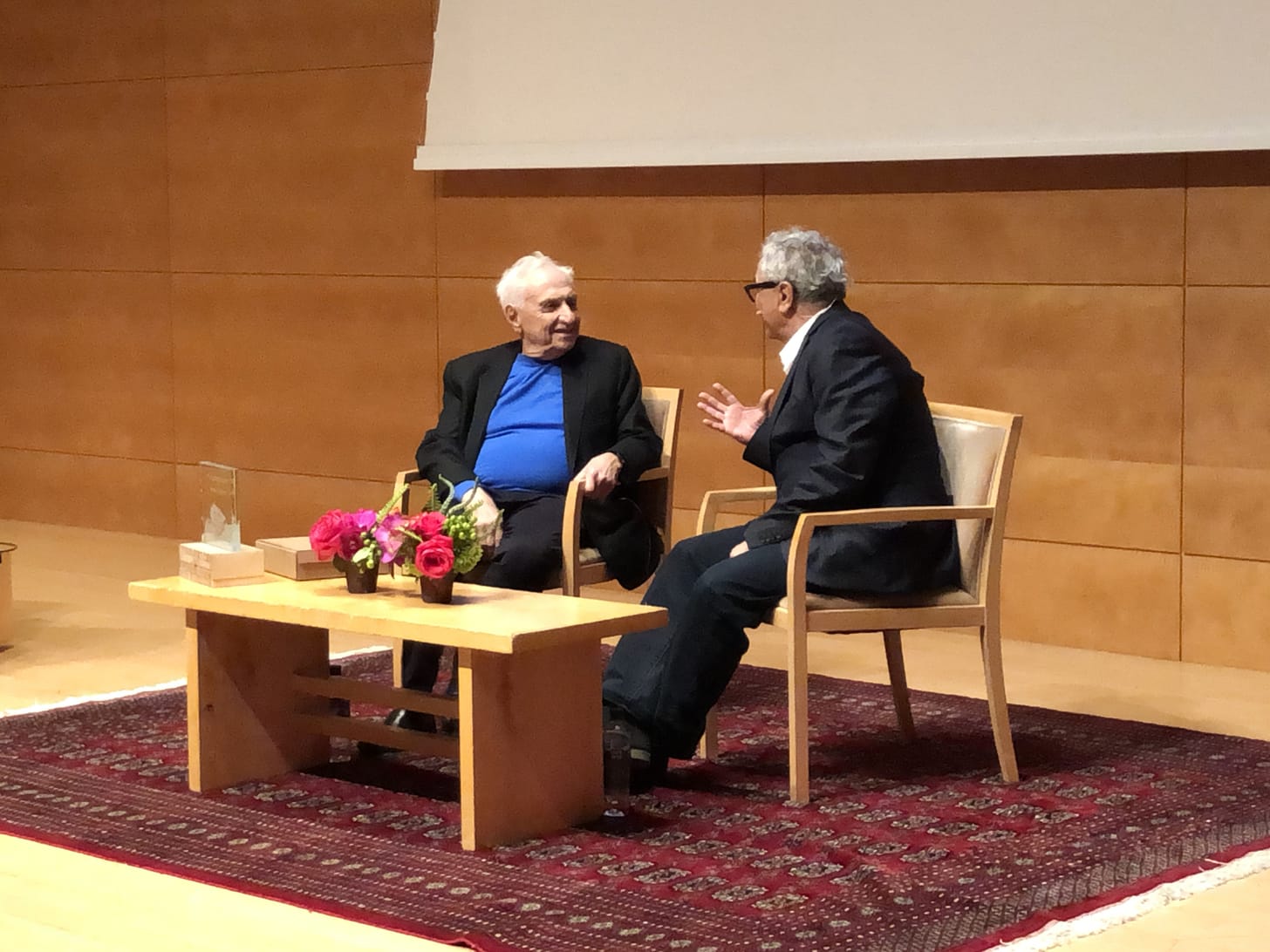 Frank Gehry and Orhan Ayyüce in conversation. Photo by Paul Petrunia
I hope somewhere Orhan is sitting around a table over Turkish coffee with his mother and some of the friends and colleagues who left before him, Frank Gehry, Ray Kappe, Eric Chavkin, Robert Mangurian… I imagine the conversation is already argumentative, affectionate, hilarious, sprawling, slightly inappropriate, and nowhere close to finished.