
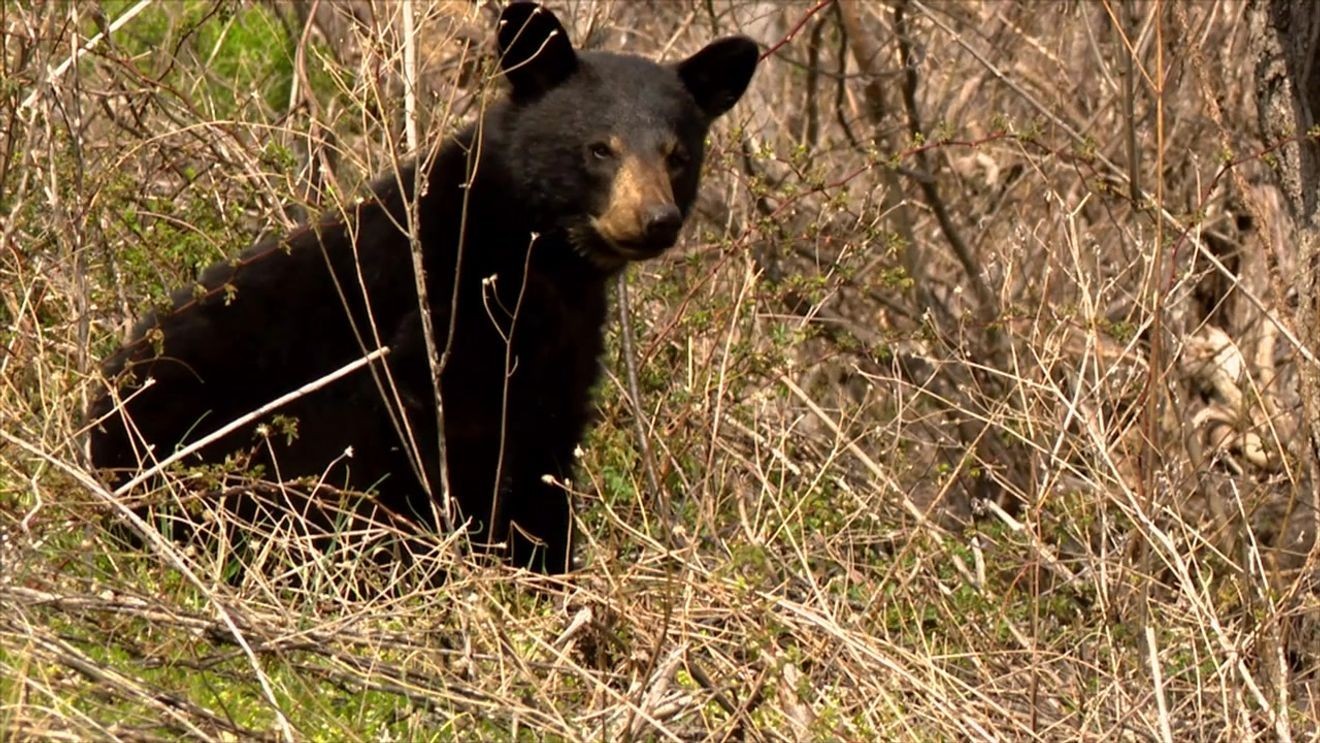
(WLOS) — A total of 61 bears have been euthanized in Tennessee so far this year due to “human-bear conflicts” that pose a safety risk, state wildlife officials confirmed.
The Tennessee Wildlife Resources Agency (TWRA) said the bears were “humanely killed” after they were involved in conflicts such as breaking into vehicles or entering buildings occupied by people, which officials say ” is not normal bear behavior.”
All but one of the 61 bears were euthanized in Sevier County, which is home to popular tourist towns Pigeon Forge, Gatlinburg and Sevierville. Officials said the lone other bear was euthanized in Blount County, which is directly next to Sevier County.
Sevier County has a very dense bear population, high visitation rate and a close urban-wildland interface, which contributes to this number. In recent years, Sevier County has consistently reported the highest number of bear-related calls in Tennessee, the TWRA said.
WILDLIFE OFFICIALS WILL ATTEMPT TO CAPTURE, REHOME BEAR THAT INJURED ASHEVILLE RESIDENT
Wildlife officials say the number of human-bear conflicts varies over the years, but that 2026 saw an increase in bears breaking windows and doors out of buildings and cars.
For comparison, the TWRA provided the following data on bears euthanized in Tennessee over the past six years:
2020: 142021: 192022: 232023: 132024: 322025: 232026: 61 (year-to-date)
ASHEVILLE BEAR BREAK-IN SHOWS WHY WILDLIFE OFFICIALS URGE RESIDENTS TO SECURE FOOD
Officials said approximately 80% of bear-human conflicts in Tennessee are the result of unsecured garbage and access to birdseed, pet food and grills. Residents and visitors in the mountains are advised to manage food sources responsibly, also following BearWise Basics to protect themselves and bears.
The TWRA said relocation does not reduce conflict and can put bears at “significant risk,” and that preventing conflict is the best approach.
Officials said relocation is not effective at reducing conflict, and that relocated bears have a very low survival rate of around 10%. Additionally, wildlife officials said between 40 and 60% of bears continue to cause conflict after relocation efforts.