
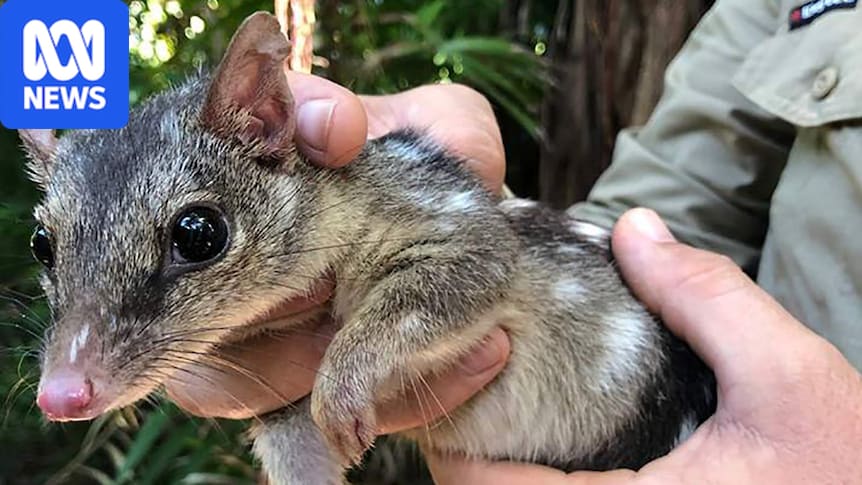
For nearly a year, Ryan Sauermann has been scouring the Top End’s Litchfield National Park in hopes of catching a glimpse of a northern quoll — but he’s yet to spot one.
The University of Melbourne PhD student believes the once-common marsupial may now be locally extinct in the region.
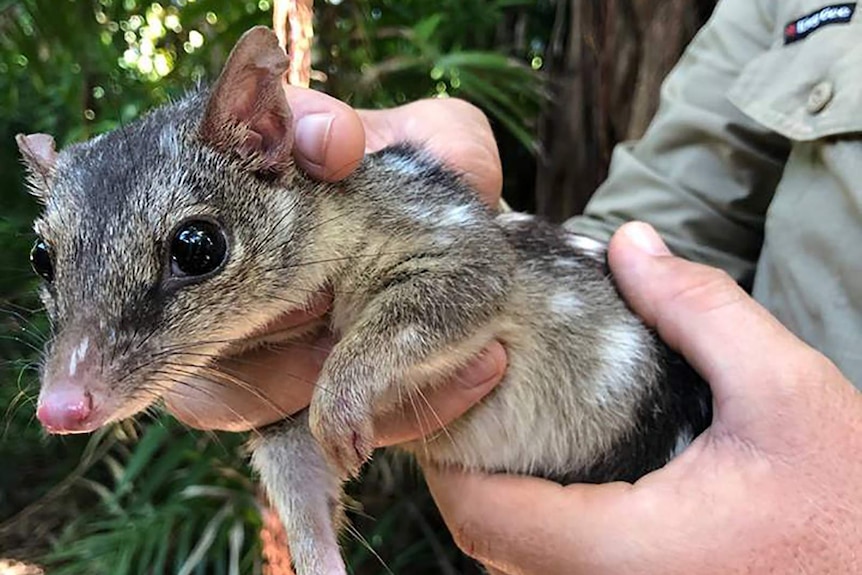
Cane toads and feral cats are among the threats facing these small marsupials. (Supplied: Parks and Wildlife)
“We started out hoping to set up a captive breeding and rewilding colony, given how quickly their populations have declined,” he said.
“Now the PhD project has turned more into [looking at] where are they, are they even still around, and if not, why?”
Northern Territory Parks and Wildlife ranger Darius Nasir has been helping Mr Sauermann with the research.
The senior park ranger used to spot the nocturnal northern quolls “almost every night”, but said it’s now been four or five years since he’s seen one.
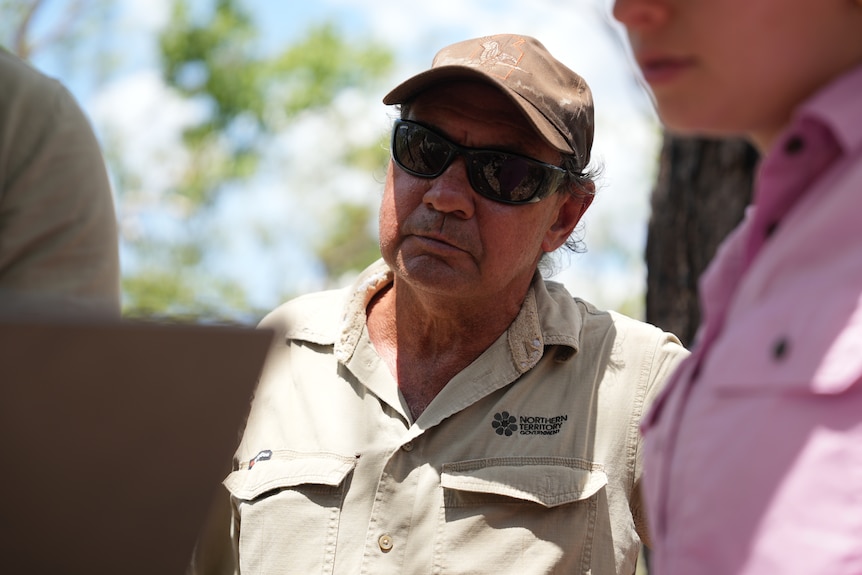
Ranger Darius Nasir says northern quolls were a lot more common in the area just a few years ago. (ABC News: Dane Hirst)
“Around 2009, 2010, I used to see them all the time around my house … my dogs would be going off and it’d be quolls, quite abundant quolls back then,” he said.
Mr Sauermann said the spread of cane toads was largely to blame for the decline in the native species.
“As the cane toad front moves through, we’re losing 85 to 95 per cent [of the northern quoll population],” he said.
The species’ decline is not restricted to the Top End — earlier this year, research in Queensland confirmed spotted-tail and northern quolls were “functionally” extinct in large parts of the state, where the introduced toads also pose an ecological threat.
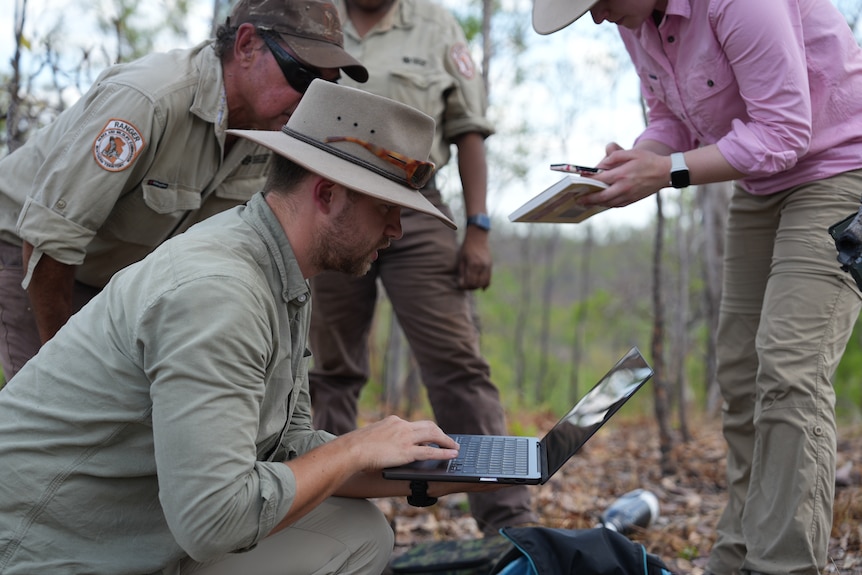
Ryan Sauermann, alongside rangers and other researchers, has set up a number of cameras around the national park, in hopes of capturing footage of northern quolls. (ABC News: Dane Hirst)
Mr Sauermann said changes to fire management and other feral species also posed major threats to northern quolls, which are listed as “endangered” nationally, and “critically endangered” in the Northern Territory.
“More frequent burns tend to be worse for the quolls as well,” Mr Sauermann said.
“The introduction of feral predators — cats especially — are a big issue.”
A range of methods
Mr Sauermann has set up more than 30 wildlife-tracking cameras throughout the national park.
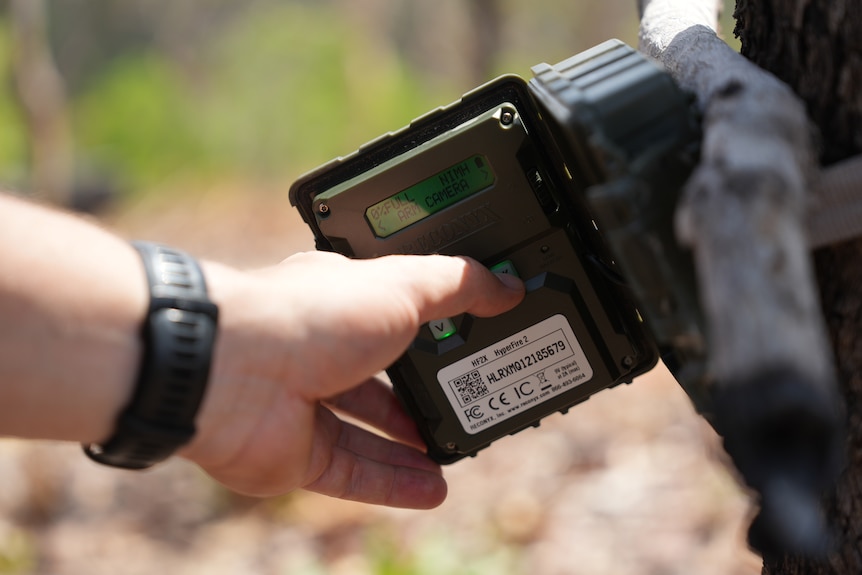
Filming equipment has been set up in Litchfield National Park, but none of the cameras so far have captured a glimpse of the endangered northern quoll. (ABC News: Dane Hirst)
Food is used to attract animals to these “camera traps”, with footage showing a variety of feral animals and other wildlife sniffing around the area.
“We’ve gotten quite a lot of buffalo and pigs, we’ve gotten a fair few cats, but no quolls at all so far,” he said.
“It’s been north of 4,000 nights of camera trapping, which means 30-plus cameras deployed for almost a year.”
Loading…
Citizen science is also playing a big role in the study, with Mr Sauermann doing everything he can to raise awareness about the plight of the northern quoll.
“In Litchfield where we’ve got a lot of tourists, I’ve been putting up flyers around park that say, ‘If you see a northern quoll, please give me a shout’,” he said.
“I’ve reached out to a number of Facebook groups … but unfortunately, those have yielded very limited success so far.”
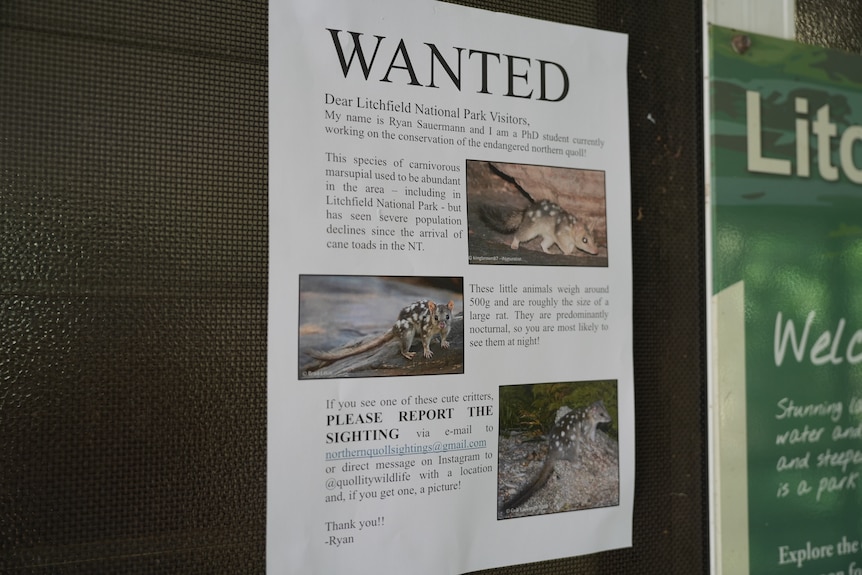
A wanted poster, on display inside the national park, urges visitors to report any sightings of the northern quoll. (ABC News: Dane Hirst)
The search continues
Mr Sauermann has been flying from Melbourne to the Top End “every couple of months” since late last year — and said he will keep coming back, despite so far not locating any quolls.
“Just because we’re not finding anything right now doesn’t mean that they’re not here, doesn’t mean we should stop looking,” he said.
The PhD candidate said, aside from dingoes, the carnivorous northern quoll is “probably one of the apex predators out here”.
Researchers say feral cats and cane toads inside Litchfield National Park are threatening the species. (ABC News: Dane Hirst)
“They’re the ones managing, not just insect populations, but also other rodent populations,” he said.
“They’re massively important for the ecosystem.”
Mr Nasir said keeping quolls in northern Australia was “greatly important”, and he feared the possibility of an ecological snowball effect if the “quite cute” animals were wiped out.
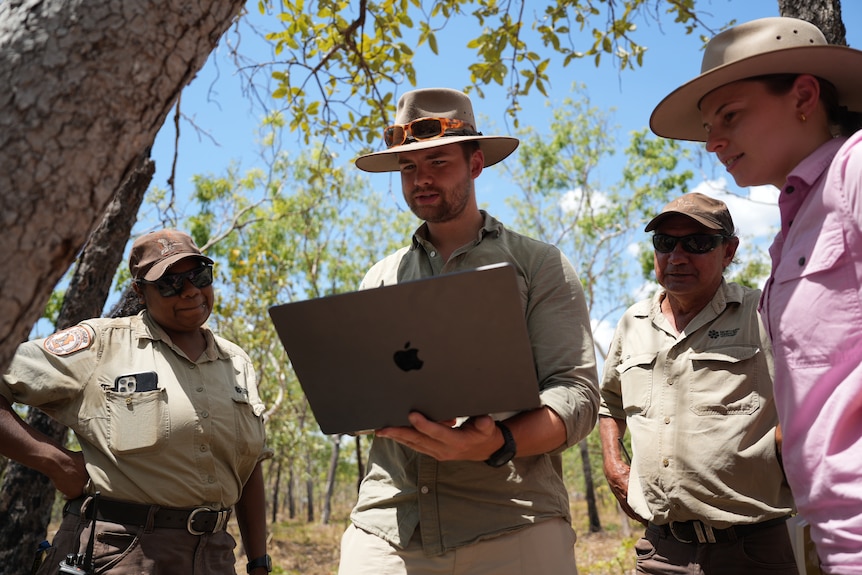
Northern quolls used to be abundant in the NT, but the Litchfield-based research project has confirmed the population is declining. (ABC News: Dane Hirst)
“If we lose these quolls, we won’t see them again — it’ll be like the bloody thylacine,” he said.
“We’ve got too many extinct animals around already as it is, let alone [adding] another one.”
Mr Sauermann urged pet-owners to keep dogs and cats away from wildlife, encouraging Territorians to do their bit in protecting the environment and trying to limit fire risk.
“There’s so much more out there than I think people realise and just getting people interested would be a huge, huge win,” he said.