Why this is a big deal in our 1-minute read:
The James Webb Space Telescope has likely captured its very first direct image of a planet orbiting another star – a major milestone for the mission.
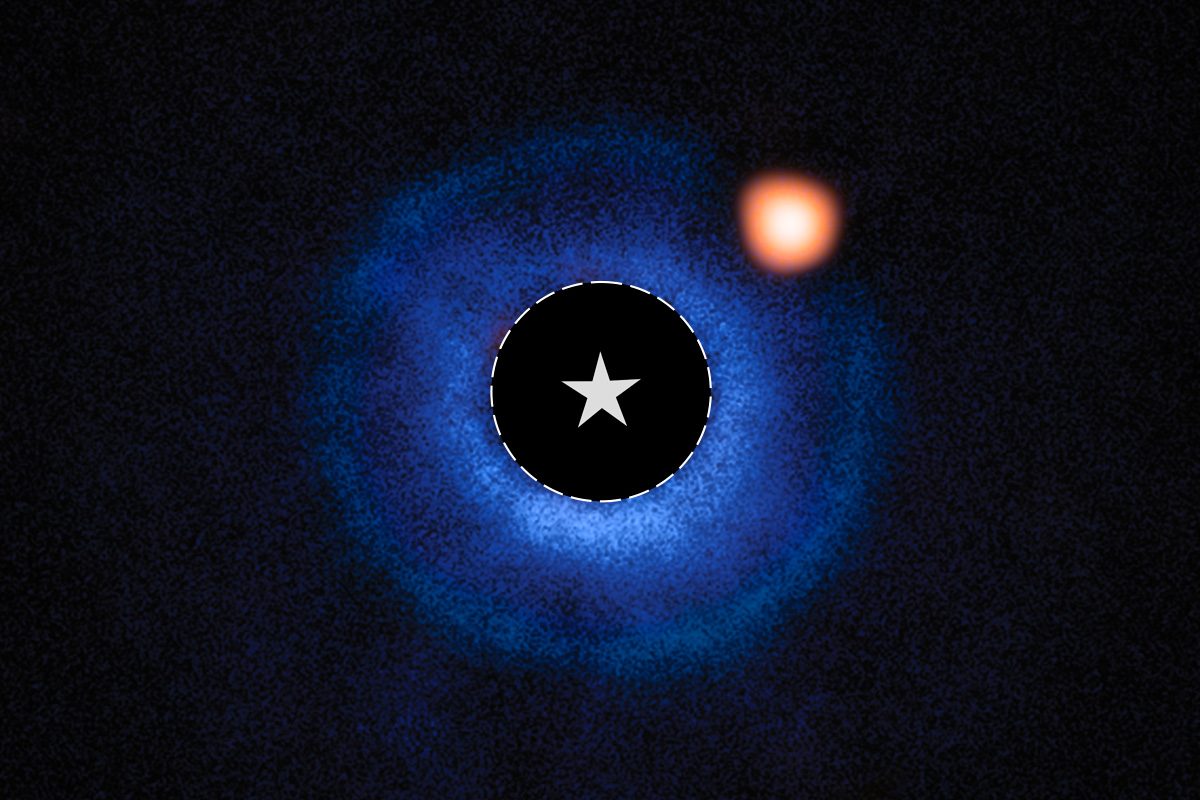
The planet candidate, called TWA 7 b, is about the mass of Saturn and orbits a star just 6.4 million years old – offering a rare glimpse into the early days of planetary systems.
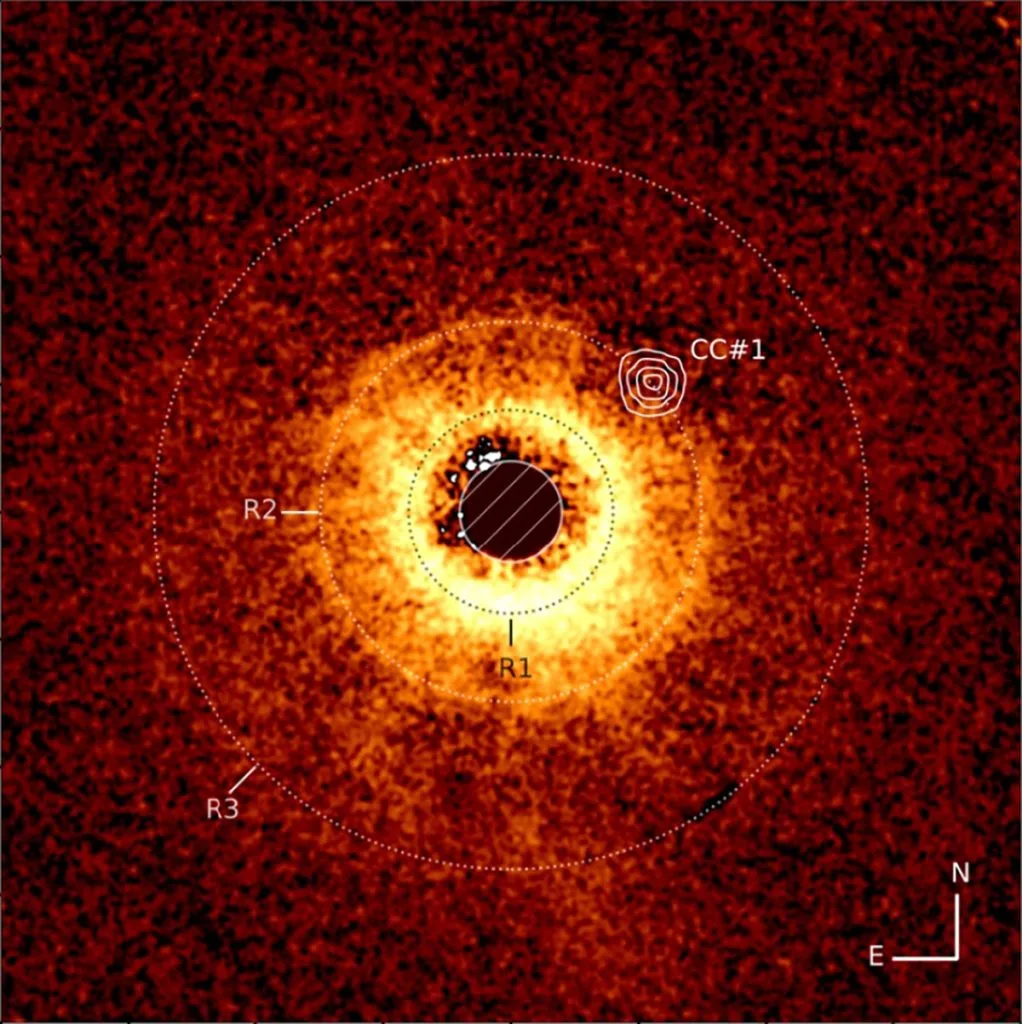
Using a special instrument (a coronagraph) to block the star’s glare, Webb was able to spot the faint glow of the exoplanet in the dusty disk around the star TWA 7.
The planet’s gravity appears to be shaping the rings of dust around its star, making this the first time a directly imaged exoplanet has been linked to sculpting its home system.
This breakthrough opens the door to finding and studying lighter, more distant exoplanets, helping scientists understand how planets and solar systems like ours are born.
Our observations reveal a strong candidate for a planet shaping the structure of the TWA 7 debris disk, and its position is exactly where we expected to find a planet of this mass
Anne-Marie Lagrange, lead researcher