
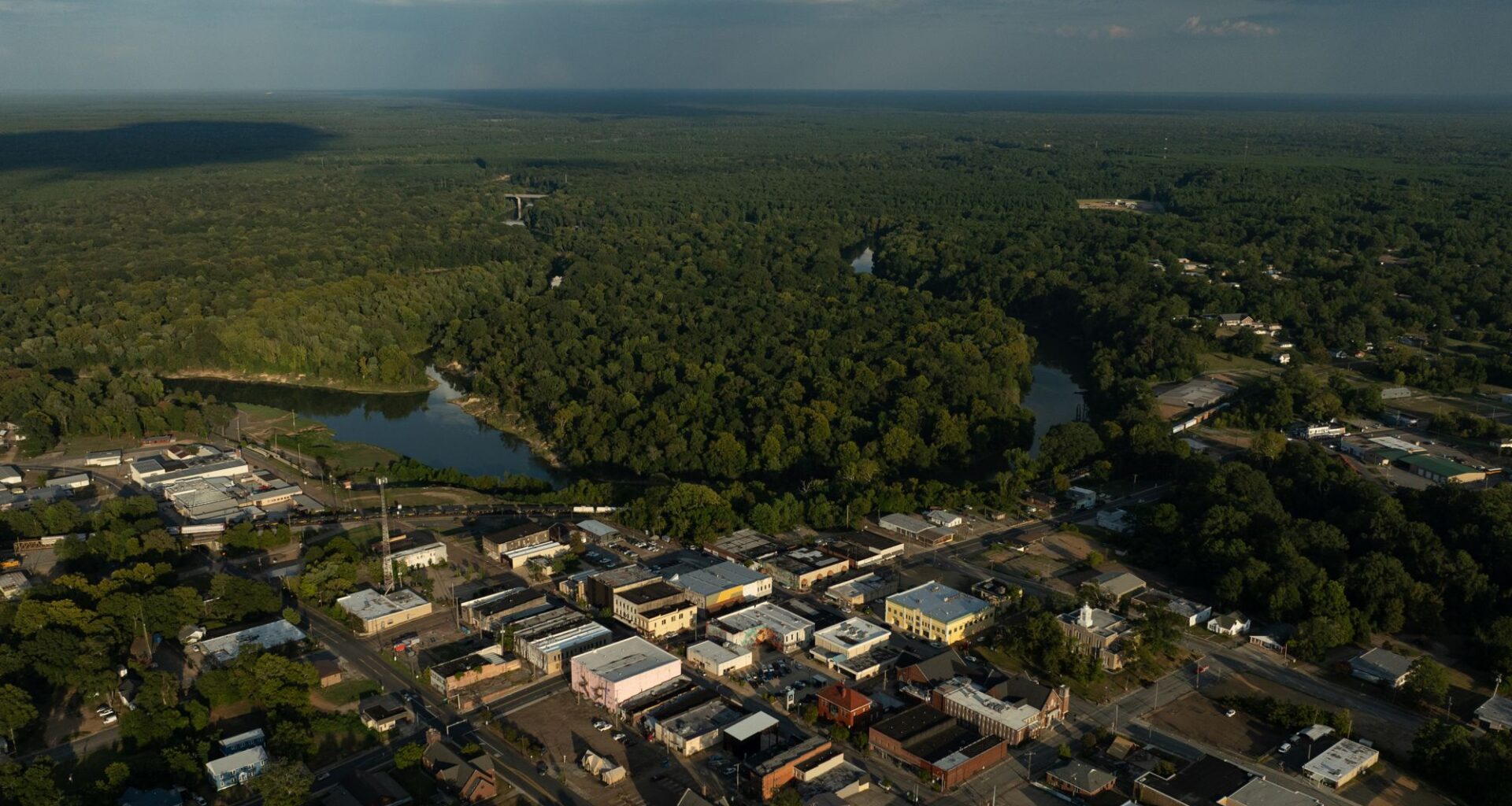
CAMDEN, Arkansas — On any given weekday morning, traffic heading into this tiny south Arkansas town backs up along a tree-lined highway around 6 a.m. The cars are bound for a sprawling industrial complex on Camden’s outskirts, where thousands of workers are helping to rebuild America’s depleted missile arsenal.
Camden has about 10,000 residents. But each workday, its population swells as some 4,000 employees stream into a cluster of defense plants that manufacture Patriot interceptors, multiple-launch rocket systems, solid rocket motors, warheads and other critical components that are in short supply.
The traffic is a daily measure of Camden’s growing importance. As part of an expansive campus with some of the country’s top defense contractors, Lockheed Martin, L3Harris, Raytheon, General Dynamics Ordnance and Tactical Systems and others are butted up against each other, separated by fences and connected by one road.
Years of wars have strained US missile stocks, and the defense companies here are under intense pressure to produce more weapons, faster.
But the national push to rebuild the arsenal is colliding with the limits of a small, rural town. Camden is being asked to support an industrial expansion of extraordinary scale while contending with a shrinking population, too little housing, under-resourced schools and a hospital on the brink of bankruptcy.
The factories say they are preparing to increase their workforce by more than 50%, even as many current employees commute as much as an hour each way because they cannot find housing in Camden — or do not see enough reasons to settle there.
That has turned Camden into a test of whether America’s defense buildup can move as quickly as Washington wants.
“Pretty much across the board we are going to increase production by three to four times typically, depending on the munition,” said Tim Cahill, president of Missiles and Fire Control at Lockheed Martin, which has a campus in Camden. “I don’t think I have a single major product that isn’t undergoing a major, massive acceleration.”
During a recent visit, CNN spoke with more than a dozen engineers and other employees at the defense plants in Camden. They described a workforce straining under the demands of the production surge: monthly waves of new hires, rising quotas and workweeks that can exceed 70 hours.

The window of a local business downtown Camden, Arkansas.

Camden Lanes bowling alley.
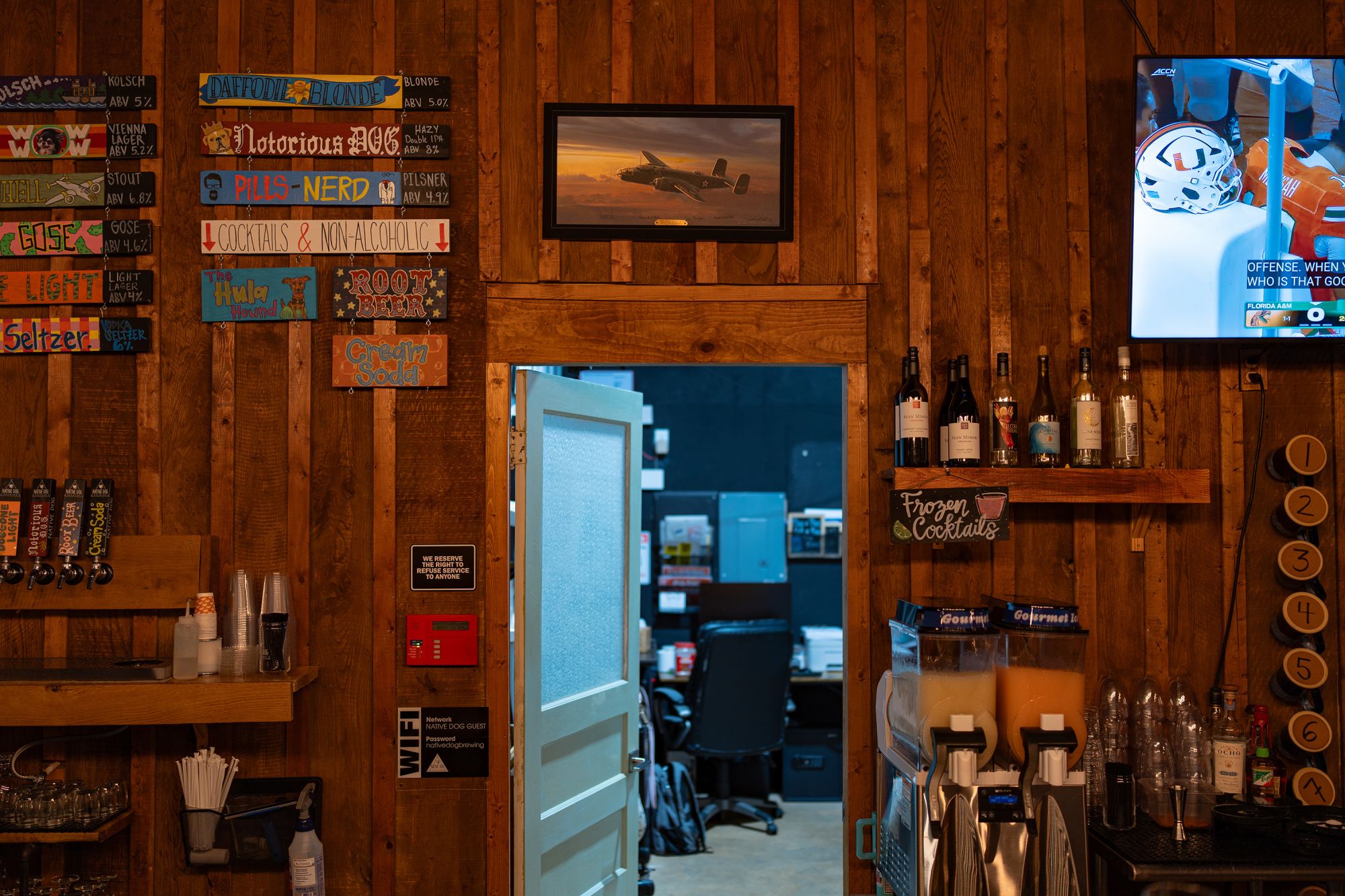
Camden’s Native Dog Brewery is owned by Bobby and Lauren Glaze.
Factory employment has grown by more than a third since 2020 even as Camden’s population has continued to decline, according to recent Census data.
With the town struggling to attract new residents, the effect of high demand and low supply has created a closed pool of labor where defense contractors are often poaching from one another, engineers who work at the plants told CNN. It is common for employees to spend a few years at one plant before moving to another for better pay, they said.
People who have lived in Camden their whole lives and love the town said they see an opportunity to change its fortunes — if only they could get those who work in the area to want to settle there, too. And what would be good for the town, they reasoned, would also be good for the industry that considers Camden home.
“I’ve heard my whole life that Camden could be on the cusp of something big, but this is the first time it feels real and it feels different,” said Bobby Glaze, who owns several pharmacies in town and a brewery, Native Dog Brewing.
“There’s always been talk of the defense plants making more, but this is the first time it feels like every plant out here is doing it all at once, and it’s just a domino effect,” he said. “But we don’t want to be the stepping stones, we want people to live here.”
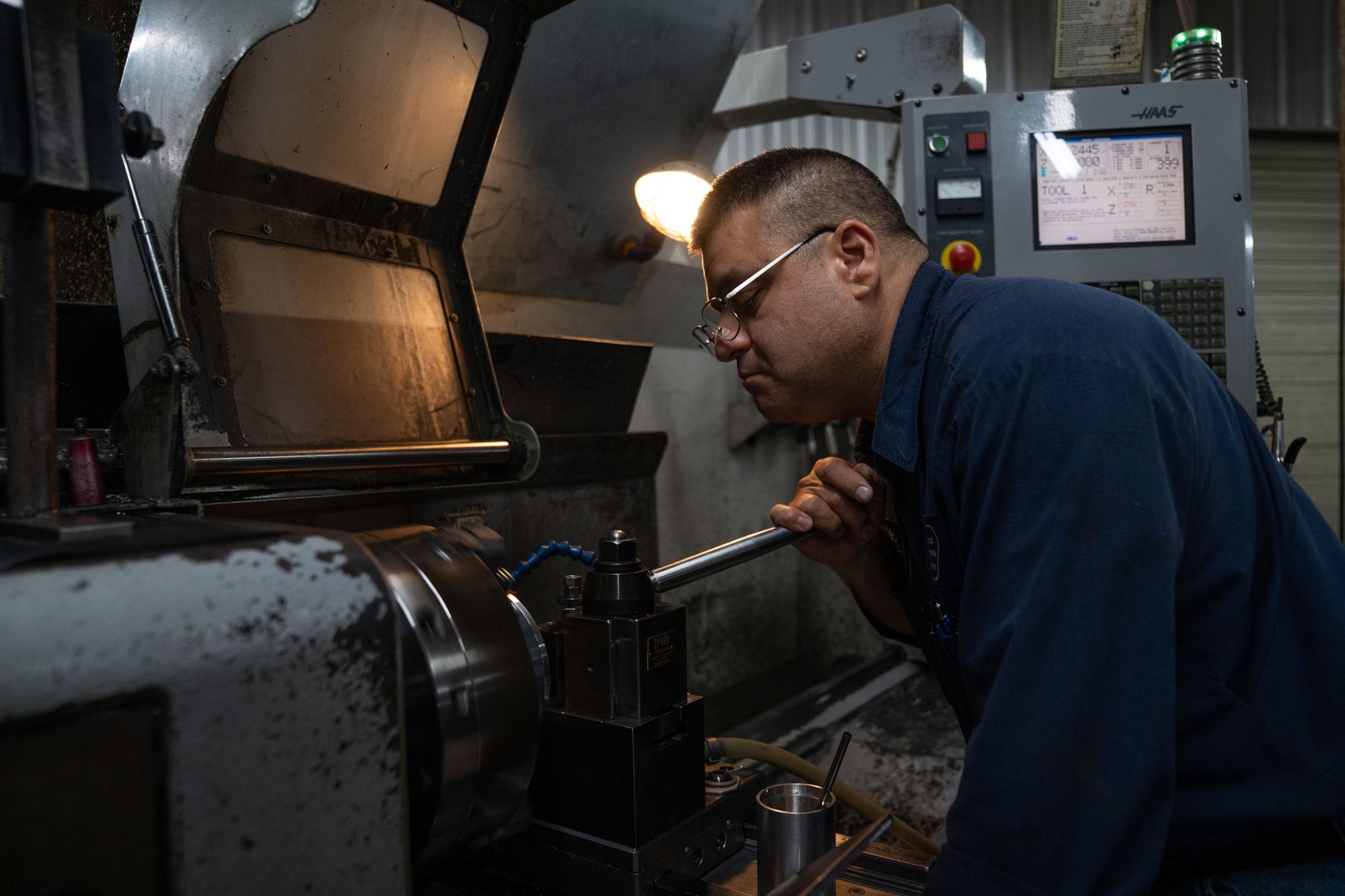
A machinist is seen working at Highland Machine Works in East Camden. The company repairs custom machinery and production-line systems for the region’s manufacturing and defense industries.
‘You can definitely feel the pressure’
The day before the US and Israel first launched strikes on Iran last February, Defense Secretary Pete Hegseth was in Camden. Standing on a stage between a display of two missiles at the L3Harris plant, Hegseth praised the site for “setting the pace” for the rest of the American defense industrial base.
The facility employs more than 1,500 people and encompasses 100-plus buildings on approximately 2,000 acres. L3Harris’s Camden location manufactures more than 115,000 solid rocket motors every year, the company says, providing the propulsion for some of America’s most critical missile systems, such as the Terminal High Altitude Area Defense (THAAD) and Tomahawk.
“Thank you for being the backbone of our department and our great nation, for having the backs of our warfighters because what you build right here in Camden is absolutely central to the 21st-century arsenal of freedom,” Hegseth told the crowd.
Overnight, the US and Israel launched coordinated strikes in Iran. Over a few short hours, the US fired years’ worth of precision-guided missiles. During the subsequent days and weeks, the barrage further depleted the US missile stockpile, which was already running low after years of supporting Ukraine in its war with Russia, as well as deliveries to Israel and other US allied partners.
Experts say that it will take years to replenish inventories.
CNN reported in August that the US military has exhausted nearly 80% of its THAAD missile supply compared to numbers before the start of war with Iran, and roughly half of its Patriot interceptors, according to two sources familiar with the latest inventory report.
President Donald Trump and the Pentagon have repeatedly denied that the US’s missile stockpile has dwindled. Trump this year proposed an unprecedented $1.5 trillion defense budget for 2027 and invoked the Defense Production Act for swifter manufacturing.
“We have everything required to strike at the time and place of the President’s choosing,” Chief Pentagon spokesman Sean Parnell said in a statement to CNN.
Engineers and other employees at Camden’s defense plants, who spoke on the condition of anonymity because they were not authorized to do so publicly, told CNN that it was especially after Hegseth’s visit to the area — and the start of war in Iran that followed — when work inside the factories started to feel more tense as a greater sense of urgency from Washington set in.
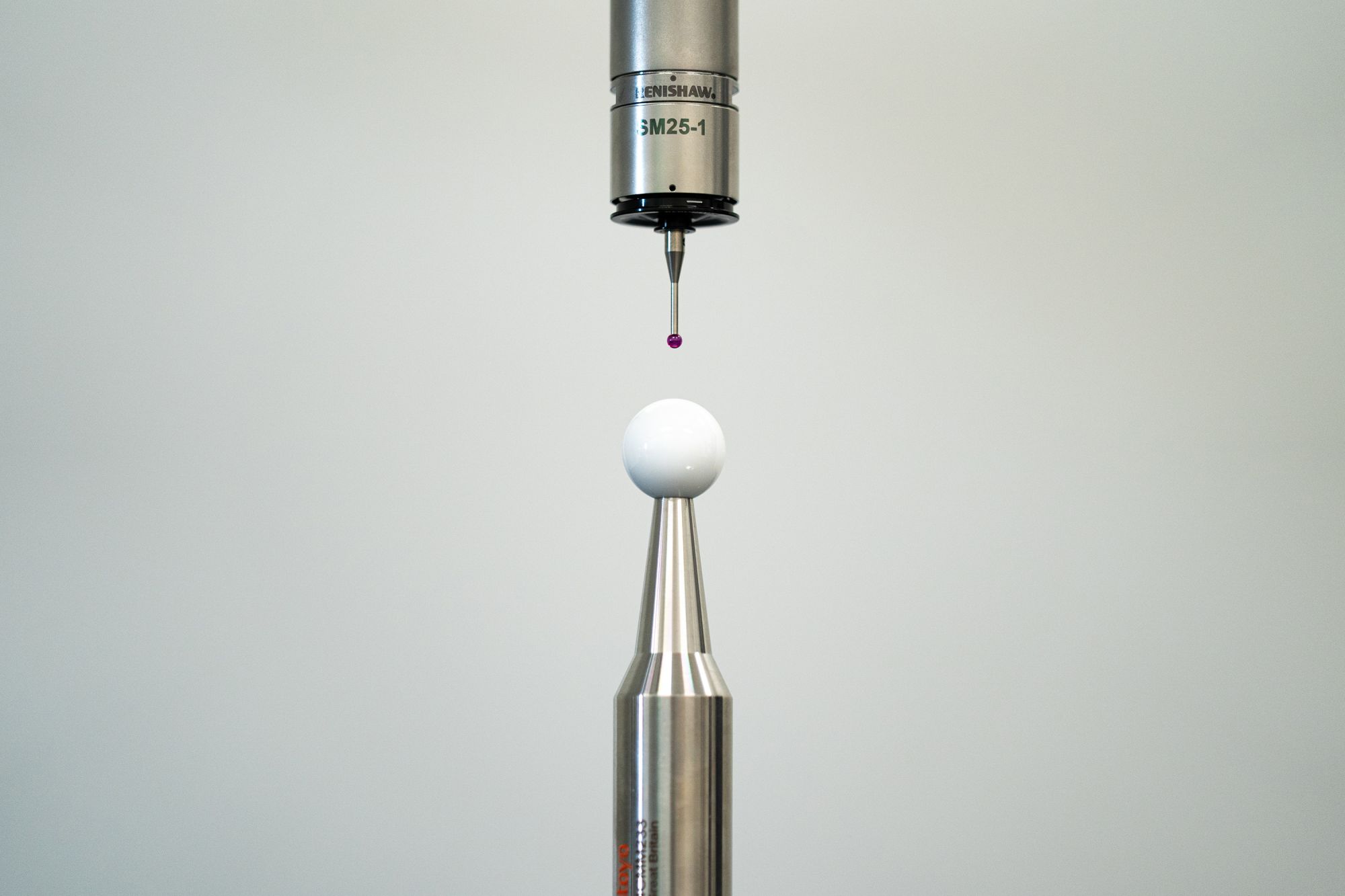
A coordinate measuring machine probe head is seen on the campus of SAU Tech in East Camden. The university offers courses and certification programs that prepare students for jobs with defense contractors in nearby Highland Industrial Park.
They said the numbers for how much they need to produce each month and for the year have continued to rise — far exceeding the capacity the facilities were built for.
“You can definitely feel the pressure coming down from the higher ups all the way through the levels of management,” said a person who works at the L3Harris site.
“Everyone needs us to build more, faster,” he said.
One veteran of the industry, who has worked at defense factories for more than 30 years, said he was around during a production surge following the First Gulf War, but he’s “never seen anything like this” current ramp up in manufacturing.
Faster production demands from the Pentagon have brought punishing schedules, engineers said.
A salaried engineer who works at Lockheed Martin said he’d recently put in 86 hours in a single week. “I mean, I know someone that did 100 hours a couple weeks ago,” the engineer added.
While several engineers acknowledged feeling burnout, others said they don’t mind it.
“We know what this is for and we take pride in doing this,” said a second Lockheed engineer. “That’s why I don’t think anyone has had a problem with any of this, because we know where this is going. We know what we make is going overseas to protect fellow Americans and keep them safe.”
Lockheed’s Cahill said the plan is to increase the number of shifts being worked at the company’s Camden location by hiring more people — a 50% increase to the workforce there — as well as expanding and repurposing the facilities to support that work.
“So there’ll be a temporary surge where, yes, there’s going to be stress on the workforce, and we appreciate that and they’re ready for that,” Cahill said. “But longer term, we’re going to level that out. We’re going to make sure we have all the facilities we need.”
A Lockheed Martin facility in Highland Industrial Park.
A bullet hitting another bullet
The biggest obstacle to faster missile production is the supply chain – that thousands of materials and parts from hundreds of suppliers feed into a single munition, and one delayed component can ripple through the entire process. A Patriot interceptor may take about six weeks to assemble, but years to produce from the ground up.
In August 2024, the THAAD program office discovered a “potentially catastrophic” issue with a component of the missiles’ guidance systems, according to a report from the Government Accountability Office that was described to CNN by two sources. The issue disrupted production for several months until a supplier upgraded the component, the report said.
Only a couple of months later, another supplier reported that it had incorrectly installed a part in the interceptors’ steering system, according to the report. That problem delayed production again for several months, slowing deliveries of dozens of new interceptors until a fix was implemented.
Cahill told CNN that the company is currently delivering THAAD missiles and has improved its processes for addressing supplier issues.
“We’re working on how fast we fix problems,” he said. Cahill said that the company and the Army have partnered to streamline the process of evaluating and fixing production issues.
Asked about the production delays by CNN, Pentagon press secretary Kingsley Wilson said that Defense Department leadership had undertaken an “effort to surge critical munitions production and create a robust, resilient supply chain for generations to come.”
Cahill said Lockheed Martin is moving away from its reliance on single suppliers for some of those components by adding second and third options. He said the daily question for suppliers is: What’s keeping you from going faster?
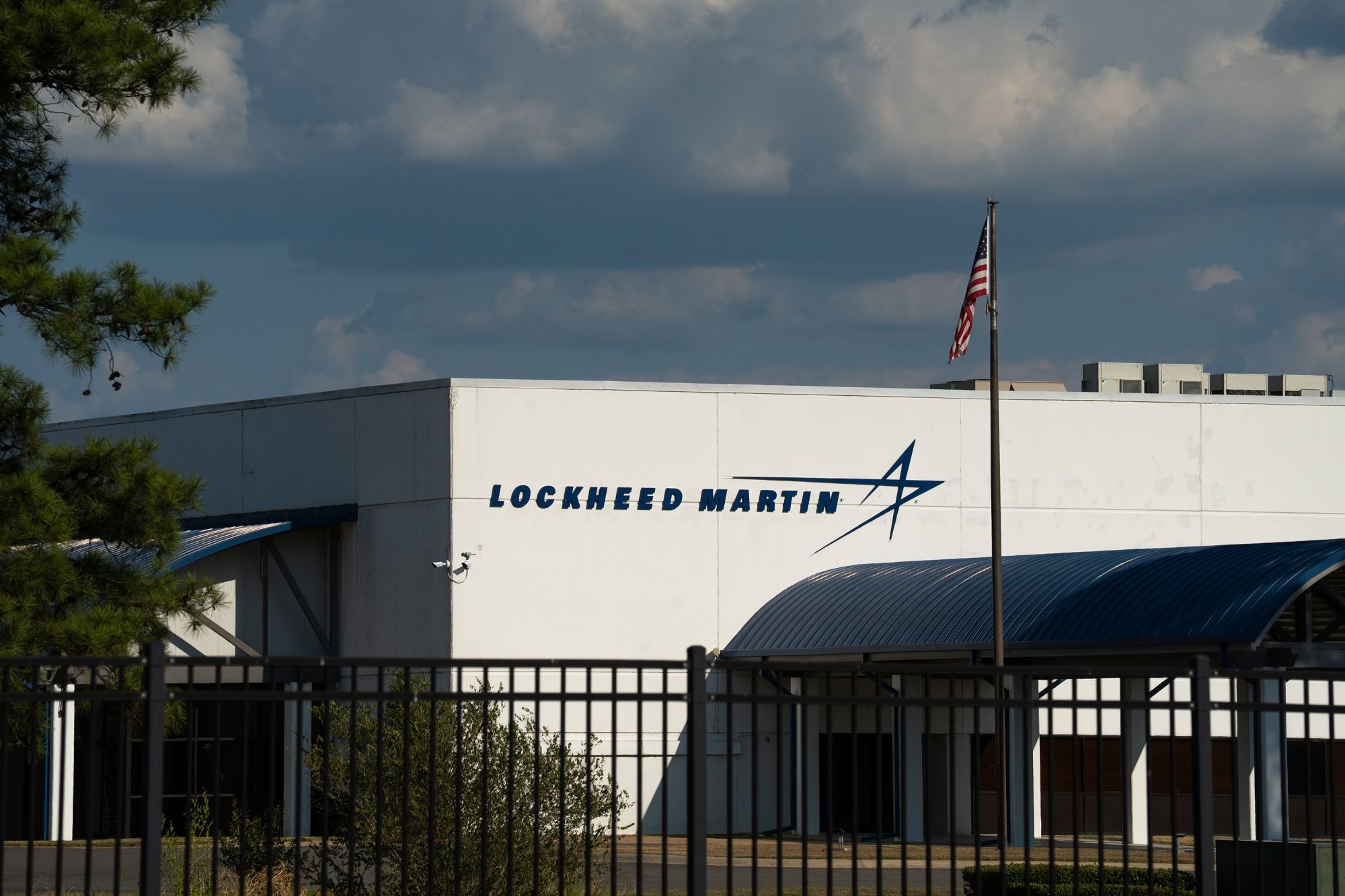
A Lockheed Martin facility in East Camden’s Highland Industrial Park. The war with Iran this year has burned through America’s arsenal of precision-guided missiles, which were already running low after years of supporting Ukraine in its war with Russia, as well as deliveries to Israel and other US allied partners. As industry rushes to rebuild, much of that work is taking place in tiny Camden.
The company is also working with the US government to secure some supplies of in-demand raw materials several years out to cut down on potential delays, he said.
The rapid change in warfare tactics has to defense contractors to have to shift priorities while still fulfilling older orders. While General Dynamics is a key supplier of 155 mm artillery shells – a critical munition that the US supplied to Ukraine for years in its defense against Russian forces – the company has had to balance new demands for missile parts after conflicts in the Middle East further drained those stocks.
In a partnership with Lockheed Martin, General Dynamics added a solid rocket motor manufacturing site in Camden that is expected to be operational next year.
The rise of drone warfare that exploits cheaper technology has also caused defense companies to consider sacrificing some of the precision that strains supply chains for a solution that’s easier to make.
Cahill described the Patriot missile as designed to be a bullet hitting another bullet, “except the bullet that we’re firing is almost a ton missile running at supersonic speeds.” That requires highly specialized materials, and it’s expensive, costing more than $4 million per interceptor.
But Lockheed’s PAC-3 Adapted Capability Effector (PAC-3 ACE) missile is also fired from a Patriot air defense system, Cahill said, and it costs less than half the price of the more precise alternative.
“It has probably two-thirds of the capability in aggregate, but something that we can get out faster,” Cahill said.
“We’re looking at every place where that extra sophistication might be causing us disproportionate time, might be taking longer than maybe it’s worth it,” he added.

An American flag flies downtown Camden
‘It’d be nice to make some money’
Camden’s defense history dates to World War II, when the Shumaker Naval Ammunition Depot produced rocket bombs and built the testing ranges, production lines, storage areas and rail access that still make the area attractive to defense contractors.
But the latest expansion has revived an old question with new urgency: whether the town can turn its strategic importance into lasting prosperity.
As the very missiles produced in Camden have become a public priority and the Pentagon has come to refer to the otherwise small, unassuming hamlet as a “strategic anchor of the US defense industrial base,” locals worry that has made them a target for America’s adversaries. It’s also fostered more discussion within the community for how to capitalize on the industrial surge.
As one small business owner in town put it, “If we’re all going to get blown up, it’d be nice to make some money in the meantime.”
Since 2020, the defense plants in Camden have increased their workforce by more than 35%, according to the Arkansas Department of Commerce. Roughly 500 people have been hired in the past year alone.
The challenge for local officials and business owners is getting those people to live — and spend their money — in Camden rather than commute. The handful of hotels and motels in town typically sell-out during the week with their parking lots filled with cars from Missouri, Texas, Louisiana and elsewhere. Then they’re vacant on weekends.
Restaurants and bars are similarly busiest on weeknights. Native Dog Brewing — a popular post-work hangout for defense factory employees — is busiest Tuesday through Thursday but is closed on weekends because that’s when business is slow.
Lauren Glaze, who owns Native Dog with her husband, said Camden needs “more creature comforts” than the brewery and a handful of good restaurants to make the area a place engineers in their early 20s will want to stay and raise a family.
Cade Woods, a 22-year-old engineer at L3Harris whose family owns a popular restaurant in town, Woods Place, said people laughed when he announced that he “loves Camden” during his onboarding earlier this year.
“I didn’t laugh,” he said, adding that he often hears colleagues refer to the area as “boring.”

Ouachita County Judge Robert McAdoo is seen in his office in Camden. McAdoo called the defense companies coming to town a “blessing.”
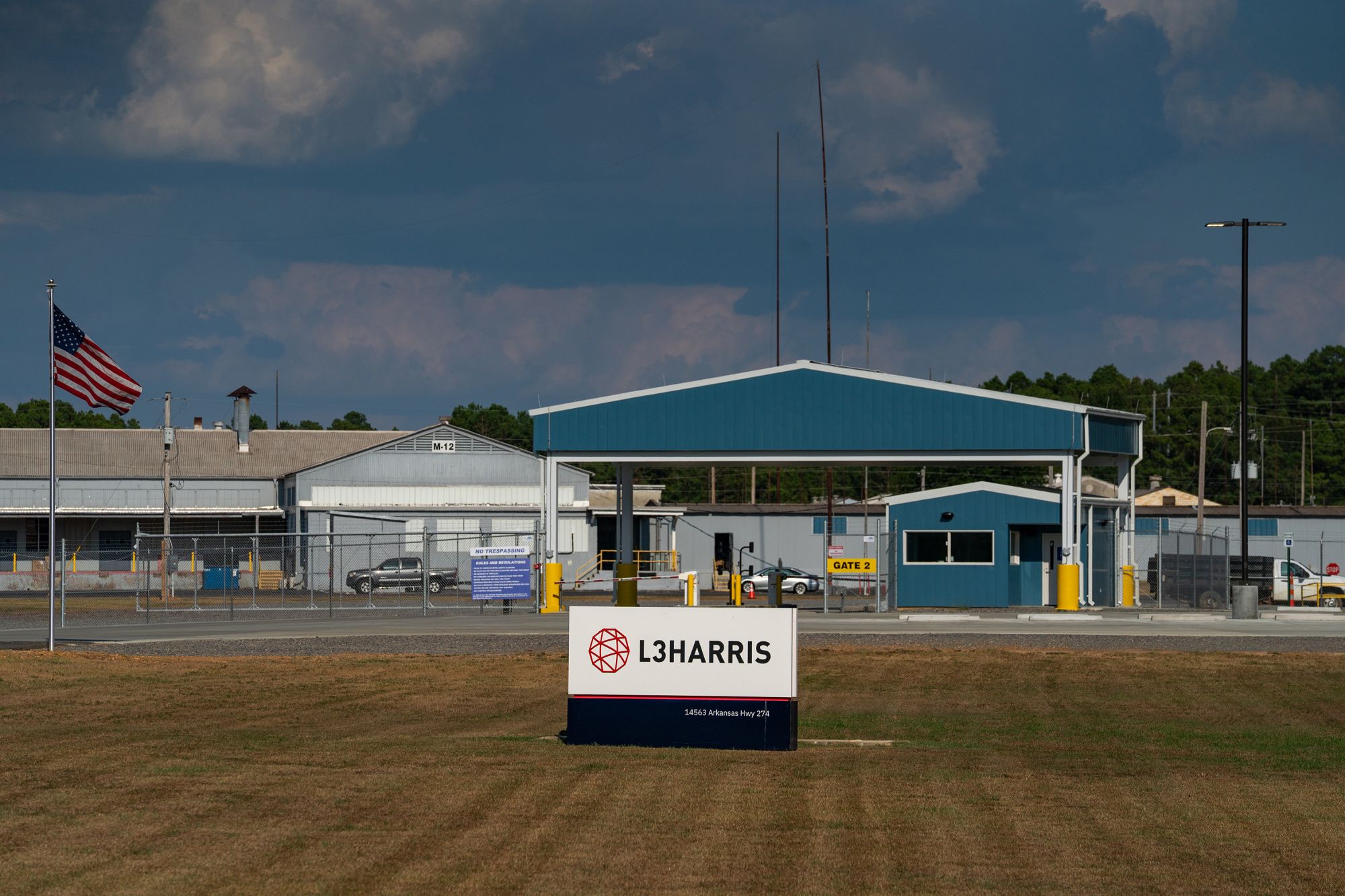
L3Harris is also located in Highland Industrial Park.
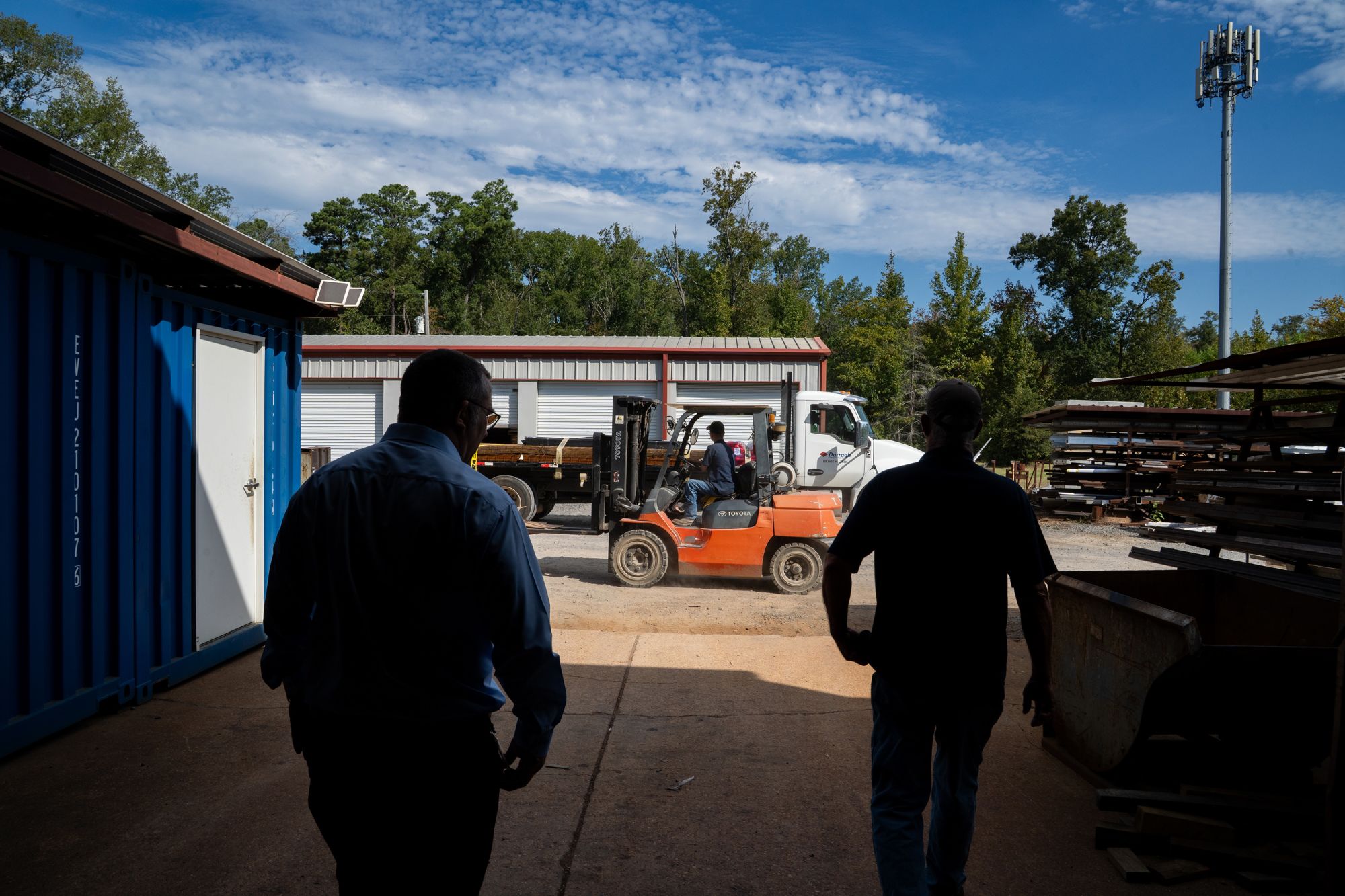
An employee is seen working on a forklift at Highland Machine Works in East Camden.
One Lockheed engineer from Florida mentioned the quality of the local school districts as a reason they wouldn’t want to live in the area long-term. Childcare facilities in town are also limited.
The county’s one hospital is another issue. Having already filed for Chapter 11 bankruptcy earlier this year, the Ouachita County Medical Center in Camden has had to furlough dozens of employees. In January, it closed its maternity ward, meaning people in town have to drive nearly an hour for the closest hospital to give birth. The hospital closed its intensive care unit late last year.
“It’s never a great thought that you work in the environment that we do and you don’t have a nice hospital that’s close,” said the engineer from Florida.
Ouachita County Judge Robert McAdoo, who has held the county’s top elected post for more than a decade, acknowledged the area is “not faring well,” with many people in Camden living below the poverty line. The area suffered when a large paper mill closed in the 90s. McAdoo called the defense companies coming to town a “blessing.”
“I would hate to think what Ouachita County would be without them,” he said.
Cars drive through downtown Camden.
‘What are you willing to give us?’
For those who do want to live in Camden, finding where to do so can be a challenge.
A 2025 housing assessment commissioned by the town recommended that Camden add more than 1,000 homes and apartments over the next decade. Manufacturing employers told researchers that some candidates had rejected job offers because they could not find suitable housing.
Local realtors have started working with title companies to identify who owns vacant houses in an effort to convince them to sell or renovate them to be rental properties, said Cheri Emerson, the owner of Pink Ribbon Realty in Camden.
The shortage is especially acute for rentals. The study found that younger employees and lower-wage workers often could not find affordable units in good condition, pushing many to live outside Camden and commute; more than half of community respondents expected to move within five years.
“We don’t need to make people feel bad if they don’t want to live here forever,” Emerson said. “You know, just make Camden a comfortable place for people to live, because so much of the focus seems to be on getting people to move here and stay here. We love that. But we have to realize that people live where the community is involved.”
For months, Emerson and other business owners have been meeting regularly to discuss how to bottle the momentum from the defense industrial boom into something that will improve the town, and subsequently, make it easier for the factories to hire people to the area, too.
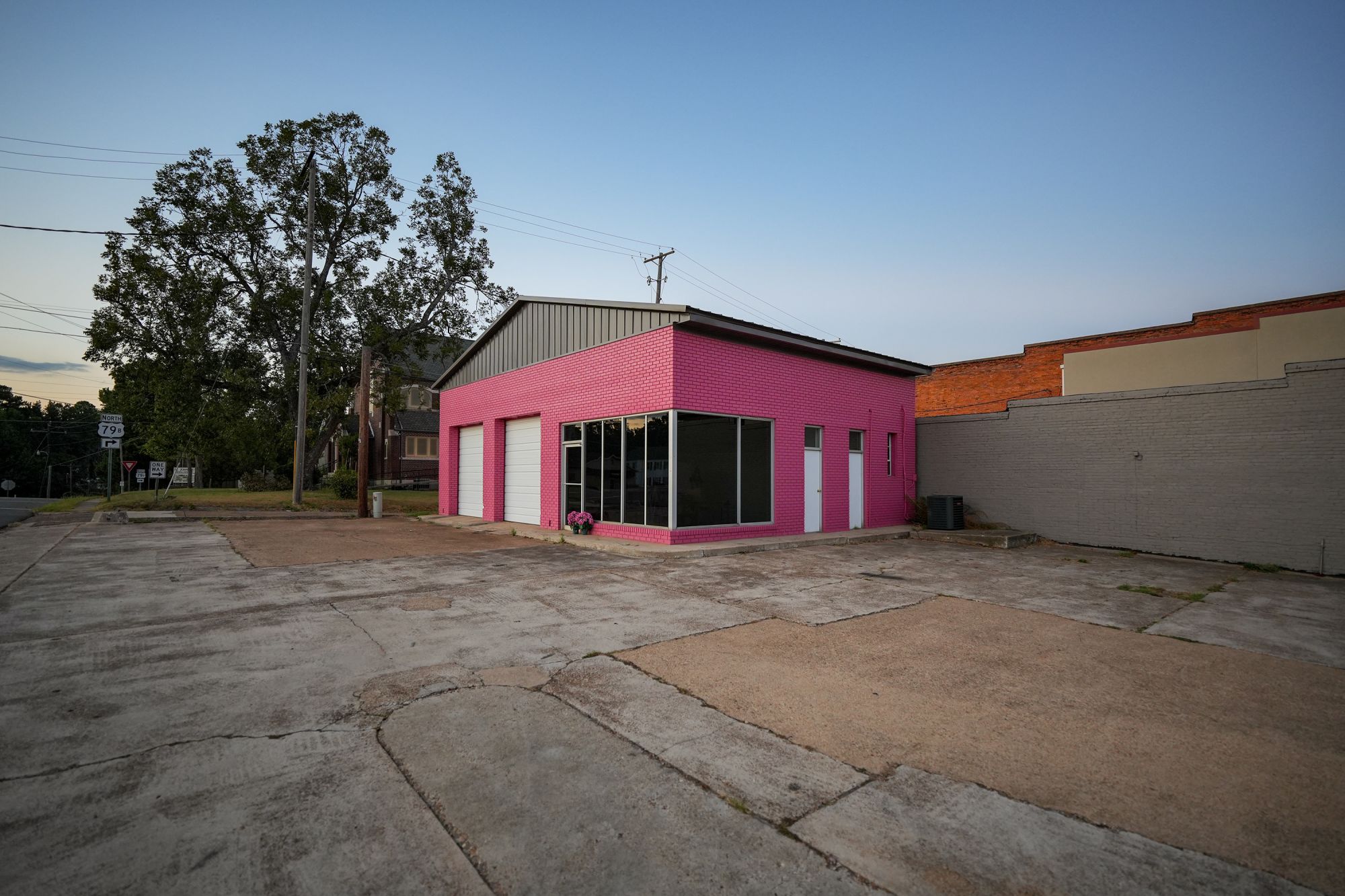
A local business in downtown Camden.

Dresses line a storefront window.
Many in Camden are asking why the defense companies themselves haven’t done the same.
“If you are asking us as realtors, as business owners, bankers, to give to you, what are you willing to give us?” Emerson said. “And so we do ask those questions. We haven’t gotten clear answers yet, but we do. I do think they could do more.”
“We could use some help with our downtown,” she added. “It’s growing a lot, but we’re just, we’re a small community, so as to where a group of people get together and try to do something, they’re much larger than us.”
Lockheed Martin’s Cahill said the company itself won’t build housing because that’s not its area of expertise, but that “doesn’t mean we’re not involved.”
“What we are doing is working with local authorities, working with our employees to understand what are their constraints, what are their issues, how can we help, how can we promote additional housing being built,” he said. “How can we, for example, communicate and make clear to the community and the developers and investors who do build apartment buildings and houses and all that, help them understand that this isn’t just a bubble — that this is going to be a long-term growth that they can benefit from.”
Camden has just started to attract some private investment. John Marlin, a developer in Texas, is planning to close on a 120-unit complex that will be redeveloped and is planning a second project on 5 acres that would house 60-70 units.
He’s hopeful other developers will follow his lead and more investment in the town will also lead to better lifestyle amenities and improved school districts.
“Hopefully in the next three years, people really start seeing something, but it’ll take five to 10 years to really get to a thriving town that has all the things a family would want,” Marlin said.
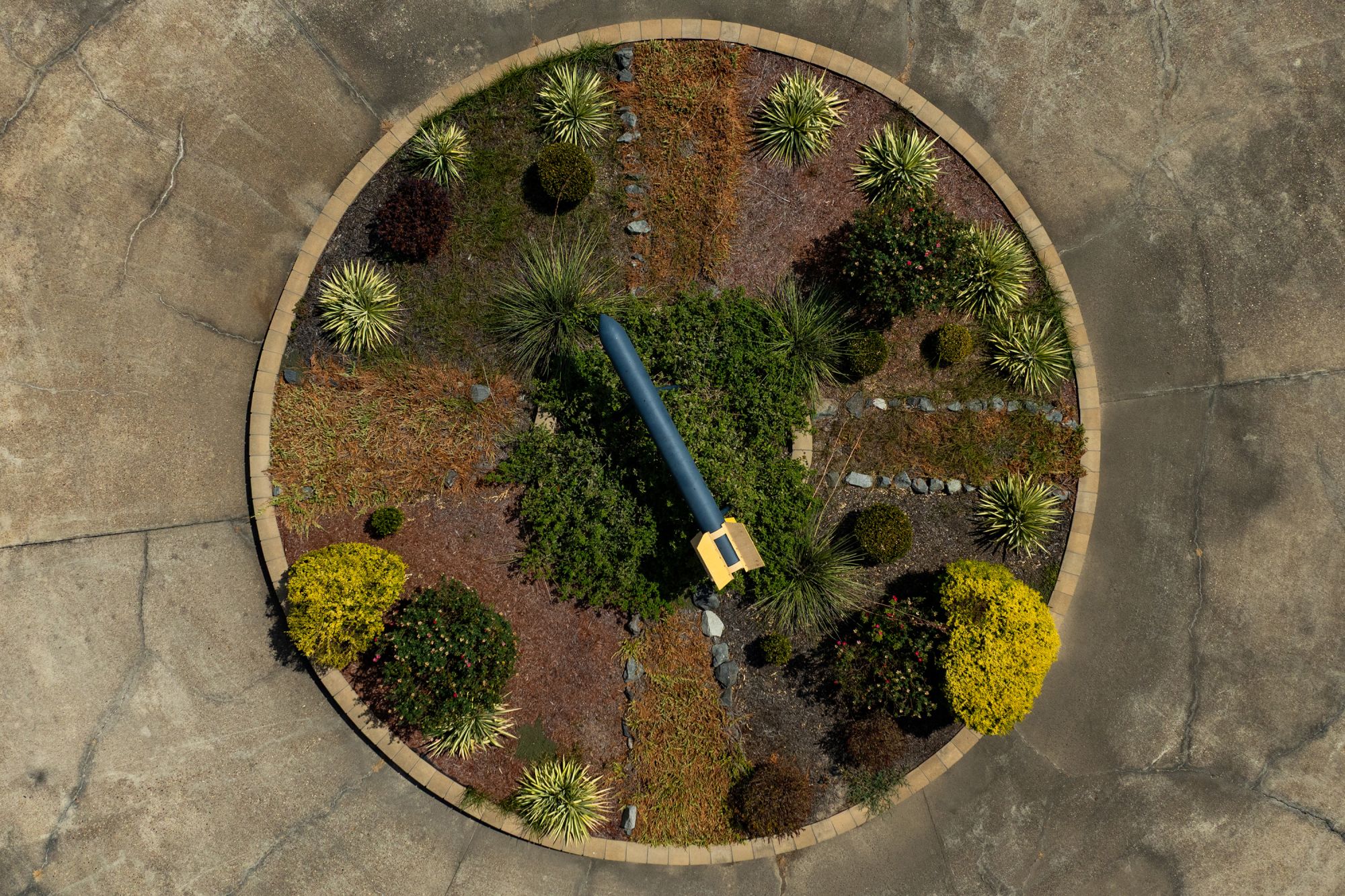
An aerial view of a rocket on the campus of SAU Tech is seen in East Camden.
‘A good place to be from’
Lately, the cafeteria at the L3Harris facility has looked like it belongs on a college campus, joked one senior employee there. Engineers are being hired right out of college – many making more than $70,000 per year. The defense companies also recruit workers straight out of the local high schools, offering more than $25 per hour as a starting wage.
Several engineers who spoke to CNN joked that people do a “rotation” among the defense companies clustered in Camden — moving from one to another for offers of more money and promotions.
“That’s real,” said a General Dynamics official who spoke on the condition of anonymity to discuss sensitive matters. “We’re serving the same missions and supporting the same customers. But certainly, we welcome individual’s opportunities to move between companies if that’s good for them.”
The official added that “folks look at the Camden location and maybe have a question about whether we can get the workforce that’s needed.”
General Dynamics’ “personal experience has been very successful,” he said, adding that the company is often drawing on people who commute from up to an hour away.
The defense firms in Camden have said they plan to automate significant parts of their production line to put less strain on the workforce while speeding production. Cahill said Lockheed’s site has some lines managed by just a couple dozen people as robots do more of the work, including handling sensitive rocket motors.
The companies have also leaned on South Arkansas University Tech — the campus is located in the industrial park and directly across the street from the Lockheed Martin facility — to provide some workers and train more. The college’s mascot is appropriately the “Rockets.”
In February, the university received a $20 million federal investment to launch a new Defense Manufacturing Center of Excellence — an expected 50,000-square-foot training center that would serve 600 additional students. The goal is that the vast majority of those will go on to work at one of the neighboring production facilities. The university is expected to break ground on it this fall.
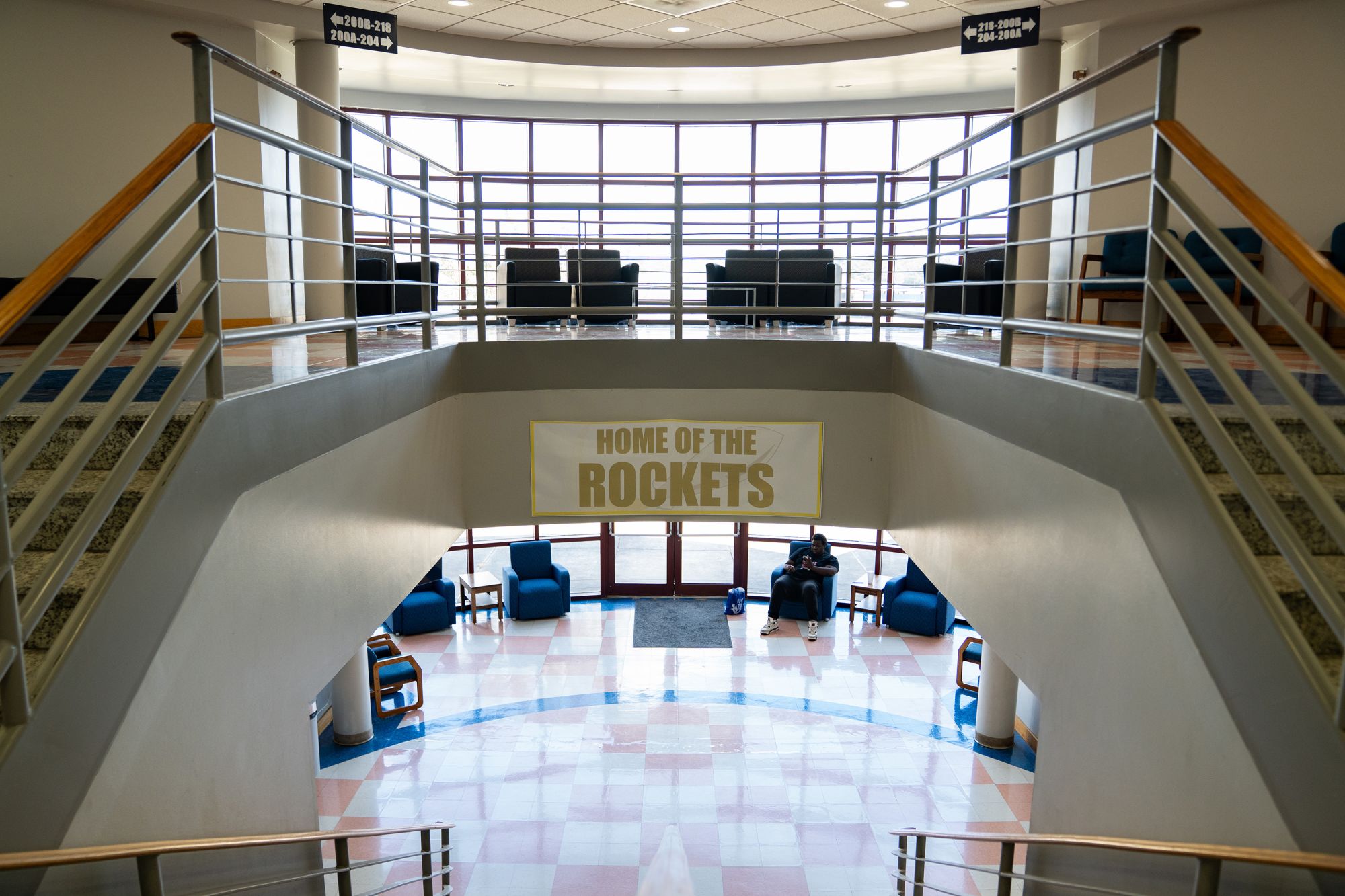
The campus of SAU Tech, whose athletic mascot and team name is the Rockets, a nod to the local defense and aerospace industry.
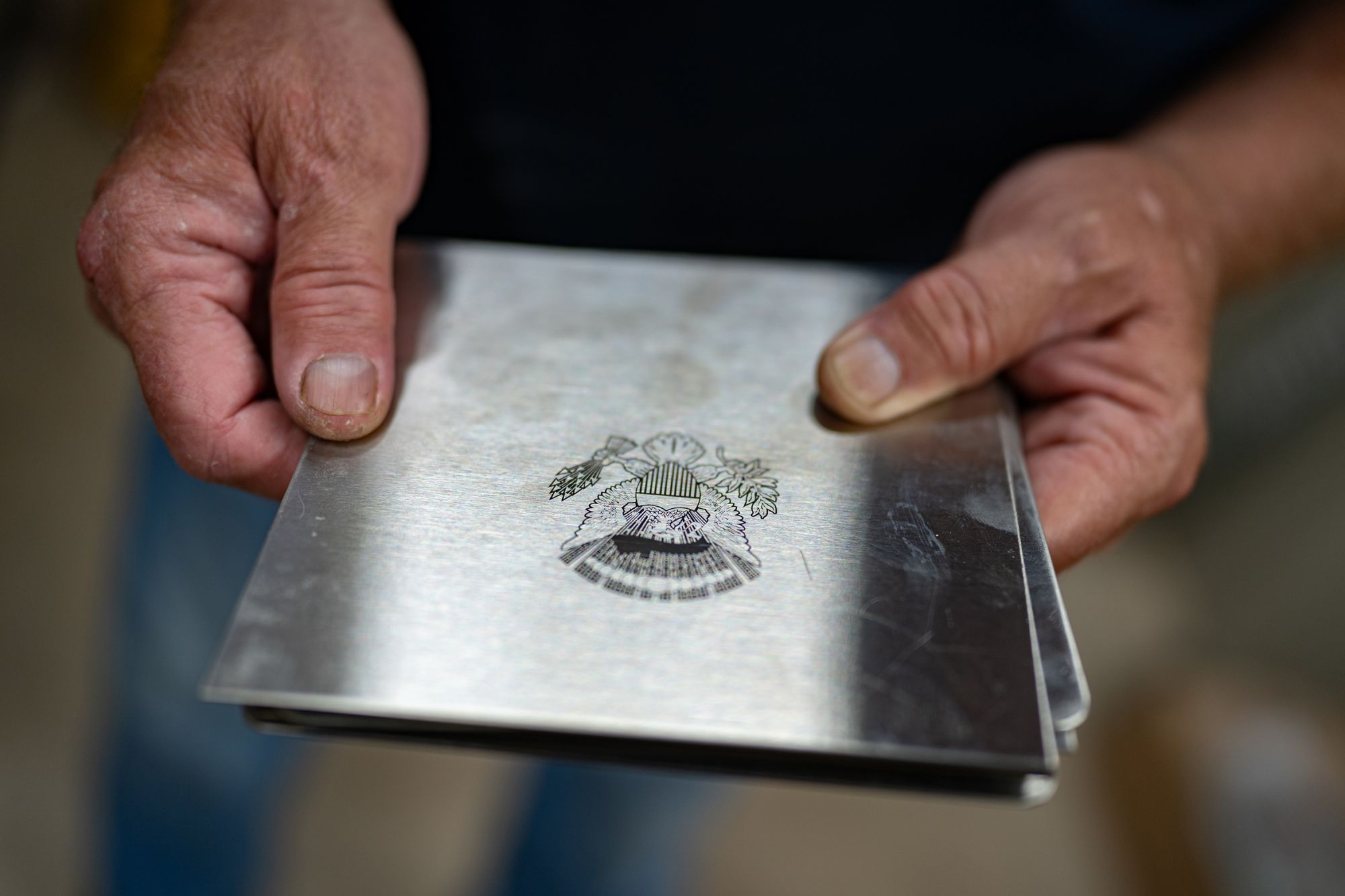
David Marty, the general manager of Highland Machine Works, holds an engraving of the presidential seal made in the company’s factory in East Camden.
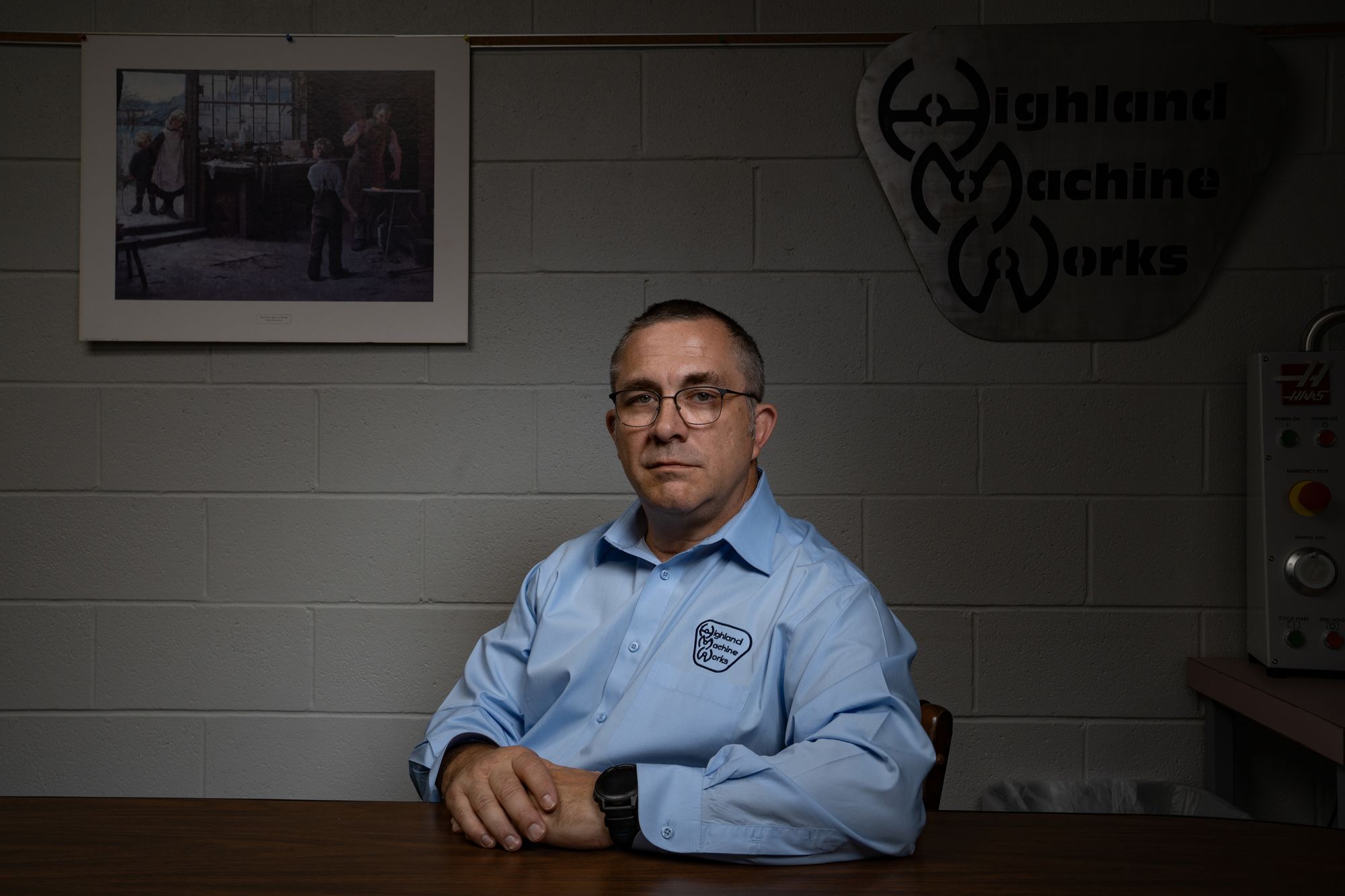
Jason Duke, whose family owns Highland Machine Works, poses for a portrait in the company’s conference room. The company supports the region’s manufacturing and defense industries by repairing parts that go down during production.
Jason Duke, whose family business, Highland Machine Works, collaborates closely with the defense contractors in Camden, acknowledged that hiring people has been a challenge. His company works like an emergency room for the larger factories when something needs an urgent fix.
“If they have a piece of equipment that goes down and they’ve got a production line down, they drive in and we stop what we’re doing,” Duke said.
He grew up in Camden, and several employees at Highland Machine Works have been there for more than 20 years. Duke said he’s had conversations with Arkansas’ congressional delegation about potentially providing incentives, such as property or income tax breaks, for people to move to the area for manufacturing jobs.
Like many locals who love the community, he’s hopeful about the opportunity for Camden now and what it can become within a few years.
“We’re trying to figure out how can we motivate people to want to move to this area,” Duke said, “because this is a good place to be from.”
CNN’s Davis Winkie contributed to this report.

A Lockheed Martin billboard in Camden. The defense contractor plans to increase its workforce in the town.