
The solution for disappearing dark skies
DarkSky International, founded in 1988, is the nation’s largest advocacy organization seeking to restore the globe’s dark skies. The nonprofit recommends five principles for maintaining outdoor lighting: use only if necessary, direct only where needed, keep no brighter than needed, use only when needed and use warmer color lights where possible.
The organization has certified 179 locations in the United States as Dark Skies Places. Only one is in Pennsylvania: Cherry Springs State Park in Potter County.
In 2021, DarkSkies International, through the assistance of a local chapter, helped Pittsburgh draft an ordinance to slash light pollution through the use of dimmer, environmentally friendly lighting fixtures.
Lawlor, of Penn State Brandywine, plays a key role on the West Chester Green Team’s Dark Skies Committee. He said it is up to local organizations to press municipalities to combat light pollution. Lawlor pointed to the successes of the Lights Out Philly initiative, which seeks to prevent migratory birds from crashing into buildings by asking property owners to turn off lights at night.
The local Dark Skies Committee caught the attention of state Rep. Chris Pielli, D-Chester County, and helped him put together House Bill 969, which seeks to cut light pollution on all state and state-funded properties.
Lawlor, 58, said the committee has hopes of convincing Chester County to take steps to get a Dark Skies Place certification. Ultimately, their work has given him hope that reversing the impacts of light pollution is achievable.
“I feel like the solutions aren’t really — they’re not big,” he said. “We’re not asking an industry to stop using fossil fuel. We’re just saying turn your lights down, if you can use warmer lights and shut them off if you can. That’s it.”
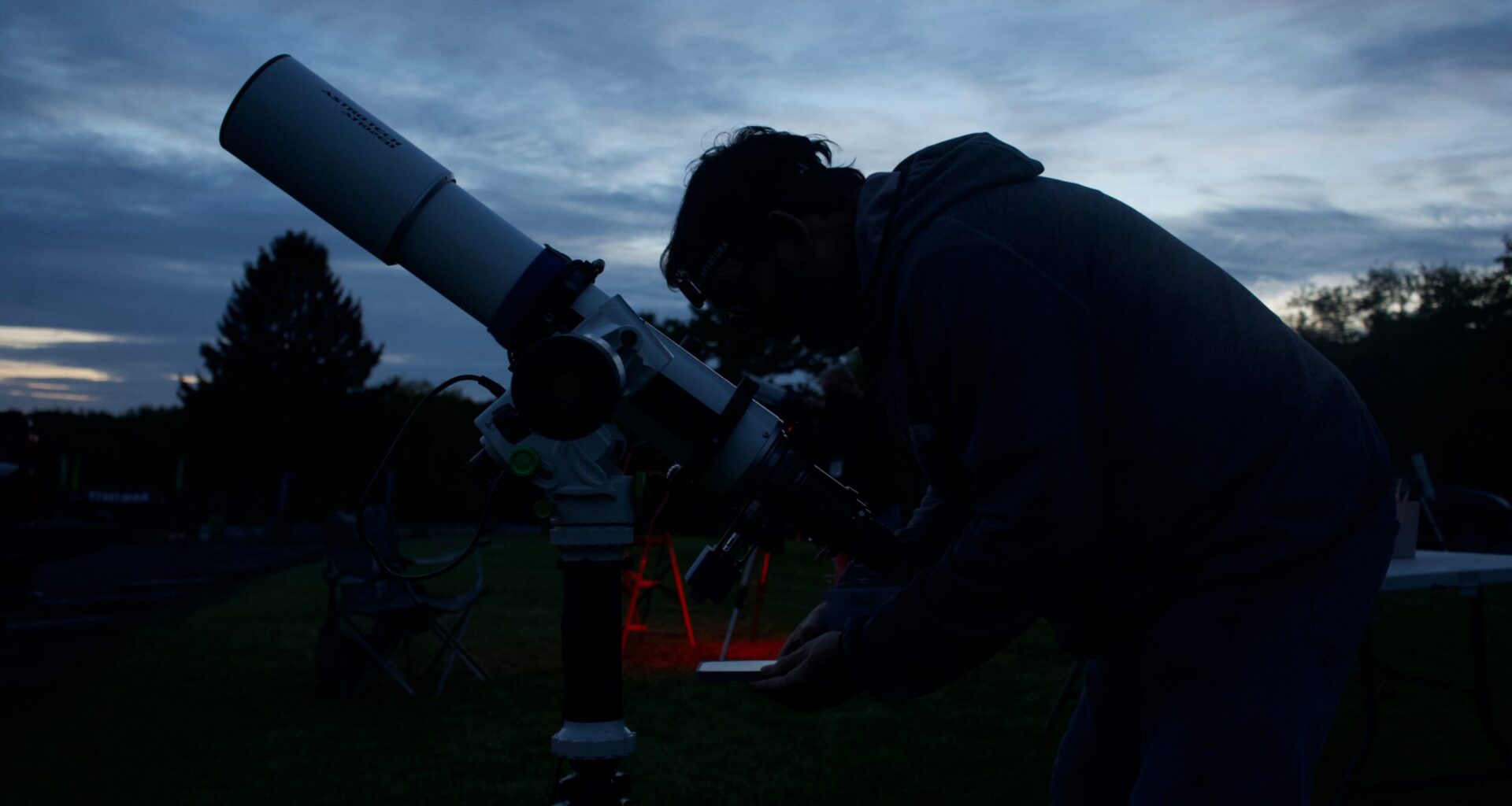
McGeeney, of Light Pollution News, grew up in Limerick in the 1980s and ‘90s. He can remember stars lighting up the night sky. He was hooked on telescopes, which he used for what he would call a “scavenger hunt in the sky.”
McGeeney, 45, now lives in the Roxborough neighborhood of Philadelphia. He was saddened by the prospect of losing the dark sky and shared sense of humanity a night of stars can bring.
If people can no longer see the stars, then what incentive do they have to look up?
“You worry,” he said, “that maybe at some point we’re not going to be as dynamic and creative and unique and curious as we’ve been.”