
Credit: Steve Knight
Sat 10 October 2026 16:30, UK
E Street Band guitarist and Sopranos actor Steven Van Zandt knows a thing or two about crime.
He even admitted that as a working class kid growing up in New Jersey, for a long while, his adulthood was looking uncertain but certainly unpromising. Then, the British Invasion came along and “saved [his] life” in the most figurative way possible. Thanks to the two acts that remained his favourites, he went from being a wayward vagabond to a kid with great drive.
Speaking to Rolling Stone, Van Zandt elaborated on just how profound the influence of the counterculture revolution proved, “In ’64, the Beatles were perfect: the hair, the harmonies, the suits. They bowed together. Their music was extraordinarily sophisticated,” he said. “The whole thing was exciting and alien but very distant in its perfection.”
But the Fab Four with their silk-like moptops weren’t alone. “The Stones were alien and exciting, too,” he added. They formed the perfect counterpoint. “With the Stones,” Van Zandt continued, “the message was, ‘Maybe you can do this.’ The hair was sloppier. The harmonies were a bit off. And I don’t remember them smiling at all.”
They seemed rugged and proto-punk in their attitude, something that Mick Jagger later affirmed when he said that “you can’t really outpunk Keith, it’s a useless gesture”. Van Zandt agreed with that before punk was even a thing, commenting, “They had the R&B traditionalist attitude: ‘We are not in show business. We are not pop music.’”
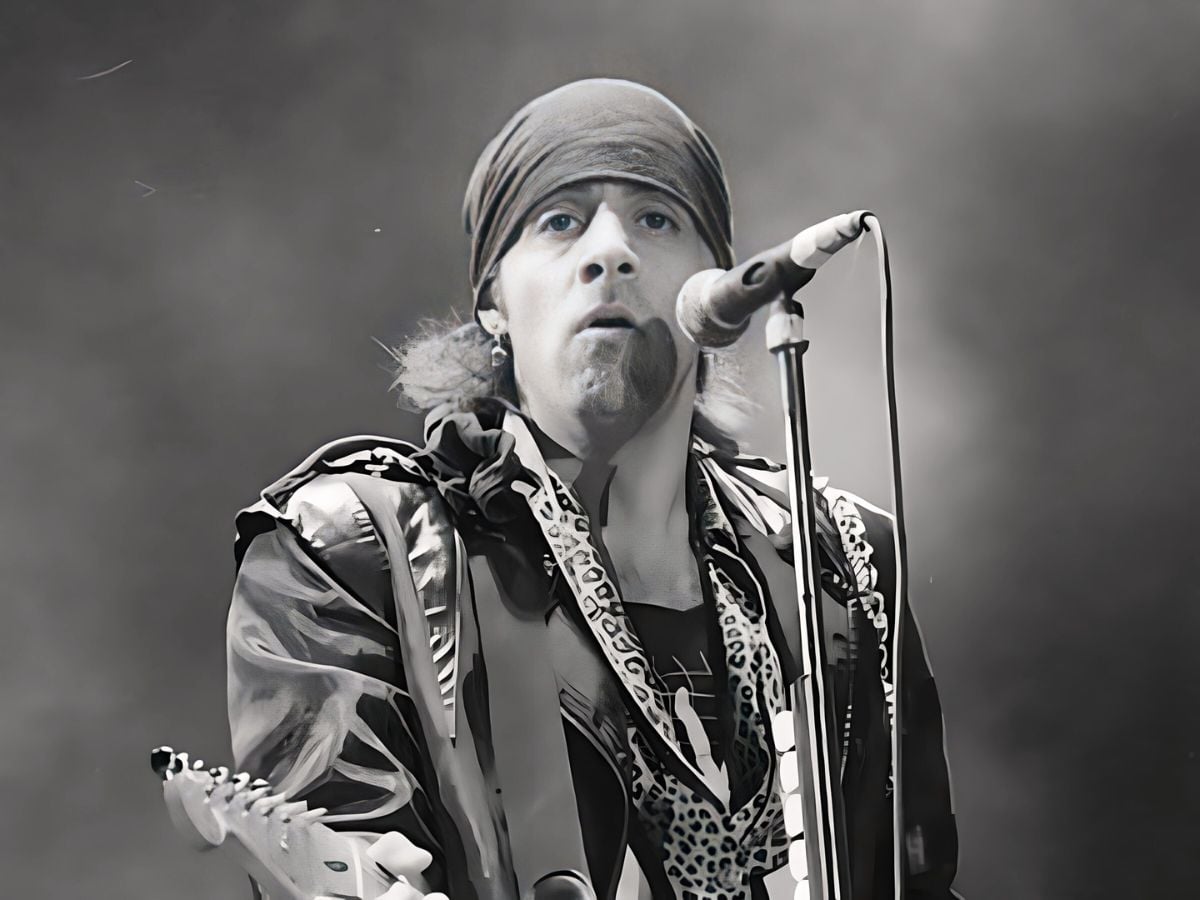
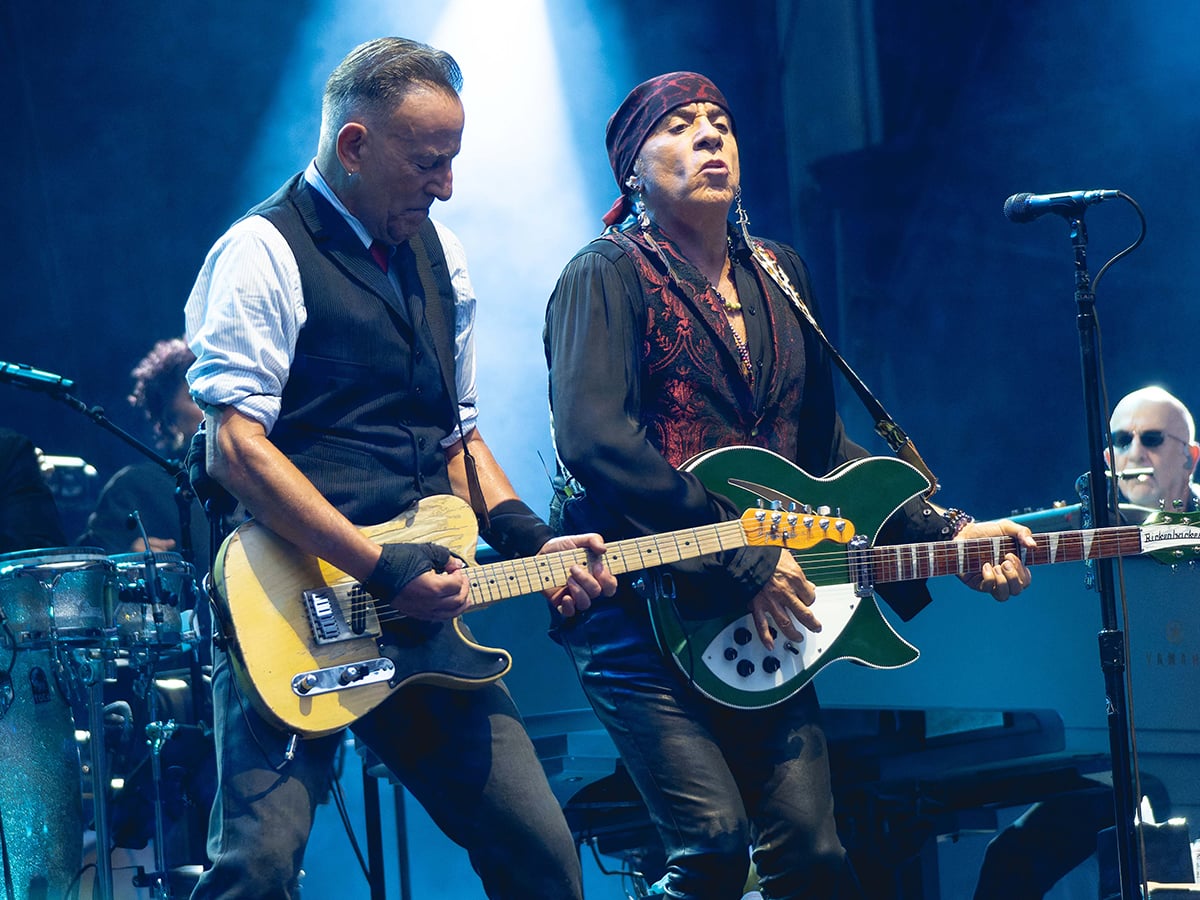
So, the young lad from New Jersey set out to join them. Alongside his buddy Bruce Springsteen, he began playing for real, and an escape from the rough and tumble streets he was raised in soon presented itself. His name resounded in the avenues not because of crime, but because he was the hip new guitarist in a headband, proving cooler than a polar bear’s toenail next to his old mate Bruce, who could wear a vest better than anyone, too.
 Credit: Raph Pour-Hashemi
The cool duo amassed a few high-fives from their old buddies. Alas, he wasn’t satisfied with just that. He didn’t get into this game for just an ounce of fame. Beyond wanting to make a difference, there was also a fleck of careerism in Van Zandt, too. This was instilled by the working class New Jersey sentiment of not wanting to land back where you started, so he began producing music for his peers as well.
This led him on a path to meeting plenty of his heroes. He was spooked by Miles Davis, equally spooked by Lou Reed, honoured by Paul McCartney, and he even jammed with Keith Richards and Pete Townshend. But there was one encounter that shook him to his core involving a pistol and a daft prat.
“Doing the Sun City album I met about 50 of my heroes,” he recalled in Classic Rock, “which did make me nervous. I avoided that for years because it worries me. If your hero turns out to be an asshole what are you gonna do? It affects you.”
He continued, “I went to see the Rolling Stones at Convention Hall in Asbury Park with a few friends years ago and afterwards they wanted to go to the hotel to get their autographs.”
Without them, he might never have had the life he has had, but as someone with a footing in the industry, he was trepidatious. “I didn’t want to go to this smart Berkeley Ocean Front place but we tripped down the hallways like a bunch of kids,” he recalled.
Then a mystic opening presented itself. Van Zandt wishes it hadn’t. “One of us noticed that Freddie King who had opened the show had his door ajar,” he continues, “so my friend pushed me inside and said: ‘Let’s go in and meet him’.” Wiser decisions have certainly been made. Freddie King wasn’t called The Texas Cannonball becasue he was soft and cuddly, that’s for sure.
“Like a fool I asked, ‘Could we have your autograph?’ He picks up a pillow off his bed, and underneath is a big fucking .45 which he grabs and gives me a fucking dirty look and tells me where to get off,” Van Zandt recalled, still with a shiver even after starring in the Sopranos.
“To this day,” he adds, “I don’t play any Freddie King licks. I won’t play his songs. See it does matter – heroes can let you down.” In his view, King was far from joking and his dark gesture sullied an evening that should have been one of celebration. As someone who was attracted to the characters in music as well as the art they make, King was quickly disowned.
Thankfully, the Stones weren’t quite so armed and hostile.
