
Credit: Far Out / Public Domain
Mon 12 October 2026 0:00, UK
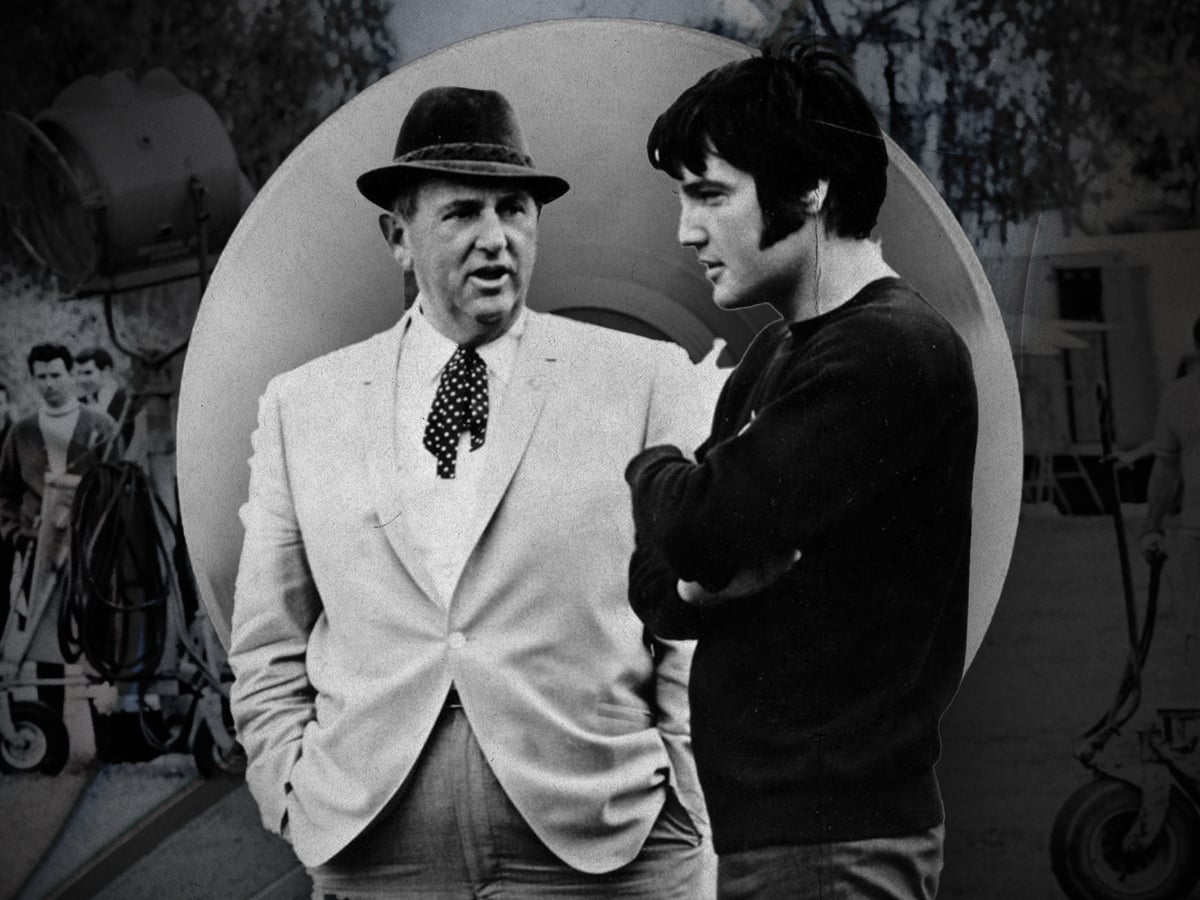
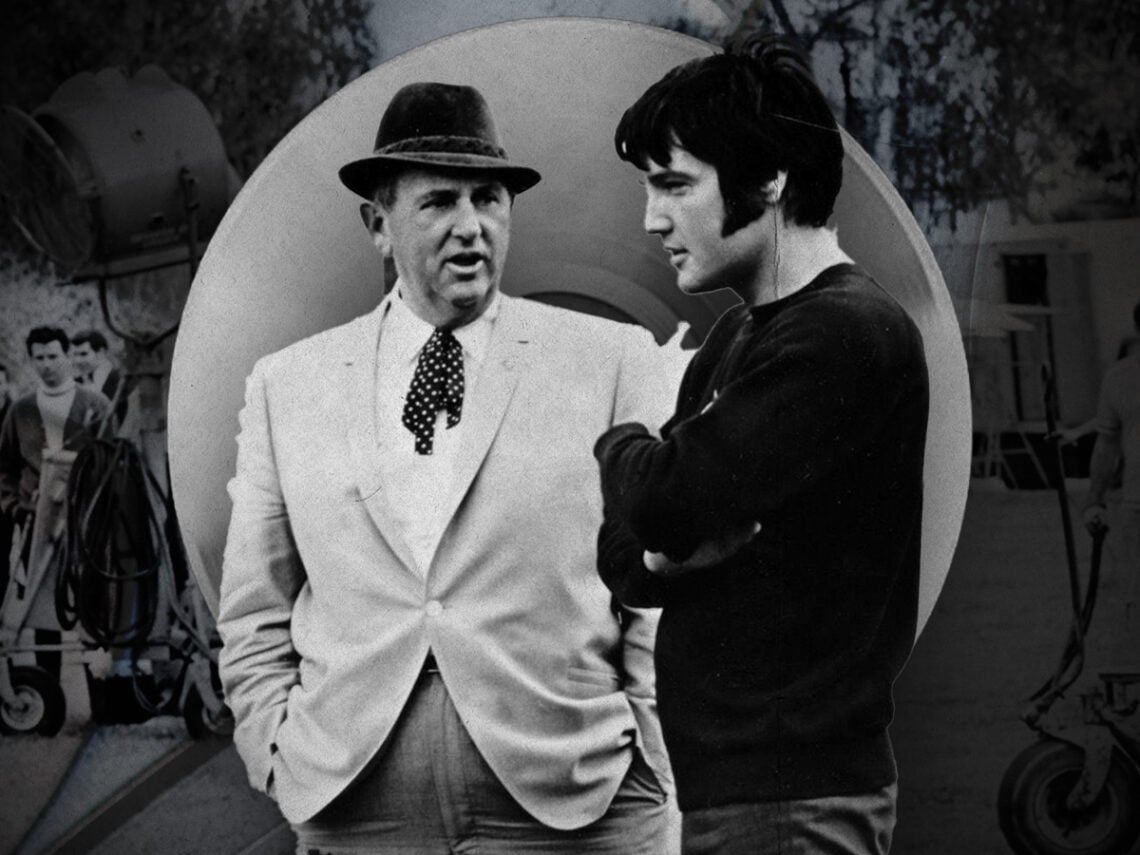
An infamous figure who changed music management forever, Colonel Tom Parker was one of Elvis Presley’s greatest assets during the rock star’s rise to fame through the 1950s and 1960s. In many ways, though, Presley’s manager was also his greatest enemy.
Even the most cursory of Tom Parker biographies gets across the idea that the rock-and-roll manager was as ruthless as he was bizarre and eccentric. Having emigrated from his native Netherlands to the United States during the late 1920s, Parker was – and remained – an undocumented immigrant, which later formed the prevailing reason why Presley never toured overseas.
That wasn’t the only issue with Parker’s management style, either. Although the Colonel did secure Presley’s deal with RCA, setting him on a path to becoming the defining rock star of the 1950s with a string of hit singles and film appearances under his belt, the manager was taking the lion’s share of Presley’s earnings throughout his career. Some might call that exploitative; the Presley estate certainly did, suing Parker after the singer’s death.
As you can imagine, then, Presley’s career is awash with ‘what-if’ moments, in which he was steered away from opportunities by the Colonel. For instance, his desire to be a serious film actor was quashed when his manager talked him out of accepting the lead role in A Star Is Born in 1976, owing to the idea that he would have to share the limelight with Barbra Streisand.
Earlier, Presley lost out on another lucrative venture thanks to the efforts of his manager. When country icon and Presley fan Dolly Parton reached the top of the country charts in 1974 with her original composition ‘I Will Always Love You’, ‘The King’ reportedly took to the song so strongly that he asked whether he could record his own version.
That was when Parker stepped in, informing Parton that if Presley were to cover her song, she would have to sign over half of the publishing rights, effectively giving the Presley camp royalties for a song he had nothing to do with. Ever the savvy businesswoman, Parton refused, and Presley didn’t record the song.
“I said, ‘I’m really sorry’, and I cried all night,” Parton once recalled of her decision to turn Presley down. “I said, ‘I can’t do that. Something in my heart says, ‘Don’t do that.’” To be fair to Parton, her single was successful enough, topping the country charts both in 1974 and upon its re-recording in 1982 for the soundtrack of The Best Little Whorehouse in Texas.
Further reading: From The Vault
More famously, though, the unmistakable voice of Whitney Houston lent itself to the song in 1992, for the soundtrack of The Bodyguard. That recording is among the best-known and most successful singles of the entire 20th century, becoming a worldwide number-one hit, spending 14 weeks at the top of the US singles charts and ten weeks at the top of the UK’s, along with earning Houston two Grammy Awards.
As Parton put it, “When Whitney came out, I made enough money to buy Graceland.” Had Presley recorded the song, his version would have stood a decent chance of being just as successful, but it would have come at the cost of Parton’s rightful share of earnings. So, once again, Colonel Parker had put a spanner in the works of ‘The King’ following his own creative desires.
Still, Parker’s meddling at least left the song free for its most famous rendition, or the world might never have known Houston’s career-defining performance.
