
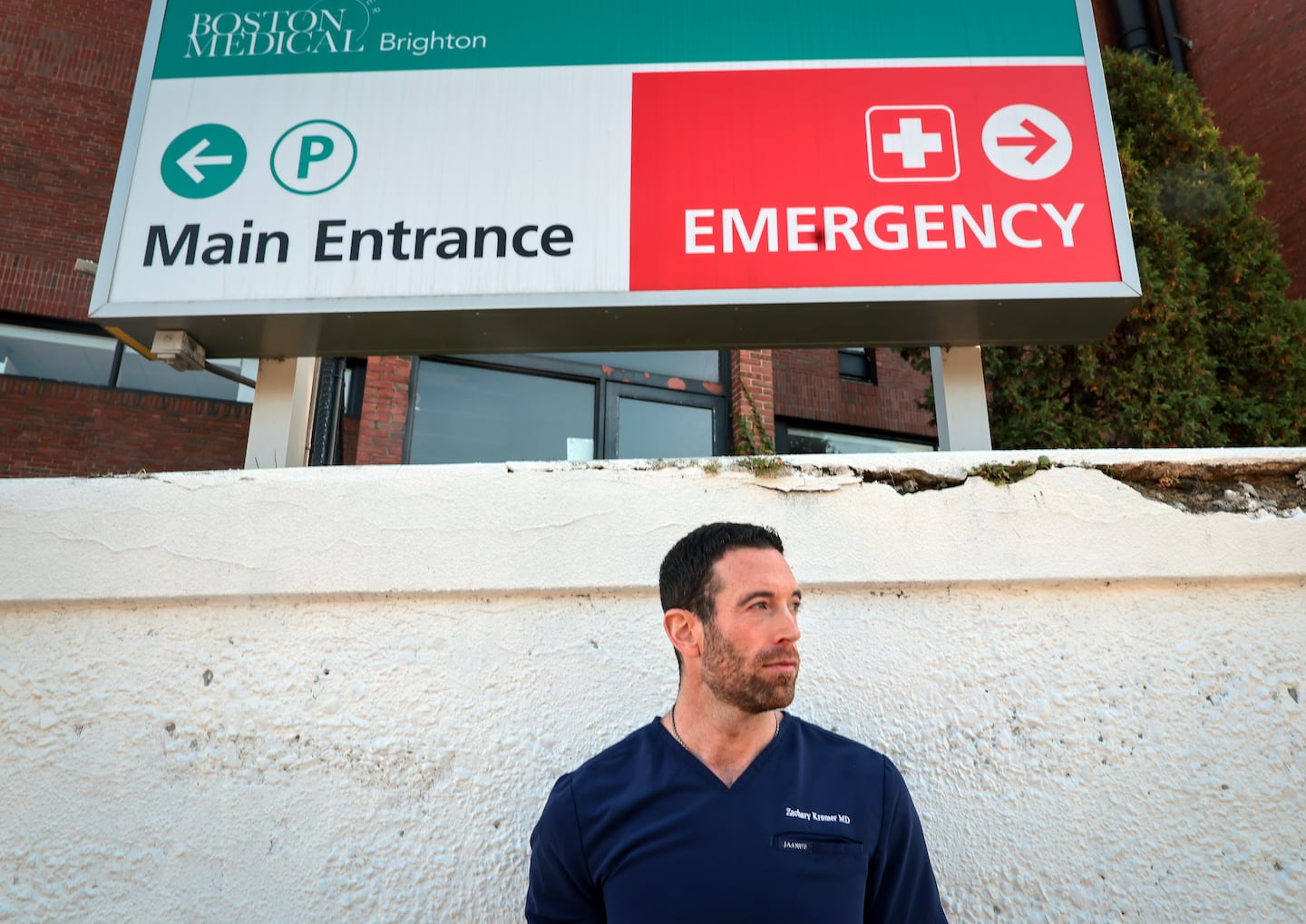
He is among the scores of former Steward doctors, nurses, and other clinicians who face the prospect of financial ruin over the implosion of TRACO, which was looted by Steward executives as the for-profit chain spiraled downward. Some medical workers are raiding savings and retirement accounts to pay for their own insurance; still others are holding the bag for hefty legal settlements TRACO had agreed to pay but failed to honor.
“They know you can’t get money from a stone, so the [malpractice] attorneys assume that rich old doctors have money and say, ‘Let’s go after them,’” said Rees, whose case is set for trial in February. “What do I do? Work until I collapse and die?”
In dozens of interviews and email exchanges, former frontline Steward clinicians describe a pervasive feeling of abandonment.
Two years ago, top Massachusetts officials lionized Steward medical workers as “true heroes” for delivering babies, performing surgeries, and holding emergency departments together through chaos. But now, many of the operators that took over Steward’s hospitals refuse to cover past malpractice claims, while the very officials who lauded their heroism and dedication have thus far offered no meaningful relief.
“It feels like a massive betrayal,” said Dr. Paresh Mane, a thoracic surgeon in Salem, N.H., who worked at Steward’s Holy Family Hospital in Methuen and St. Elizabeth’s Medical Center in Brighton. “We stepped up during a time of need and kept practicing in hospitals that Steward had starved of resources. Now we are left completely exposed.”
In response, more than 300 ex-Steward doctors, nurses, and other clinicians have formed a large coalition to lobby the Healey administration to take urgent action to backstop malpractice coverage, tighten regulatory oversight of malpractice insurers, and launch a criminal investigation into Steward’s former top executives for misleading them.
They have the backing of the Massachusetts Medical Society, the state’s powerful doctors’ lobby, which condemned the collapse of malpractice insurance as “unconscionable” and warned that it will worsen the state’s severe physician shortage.
In a written response to questions, Governor Maura Healey’s Executive Office of Health and Human Services said it is reviewing proposals from the new coalition.
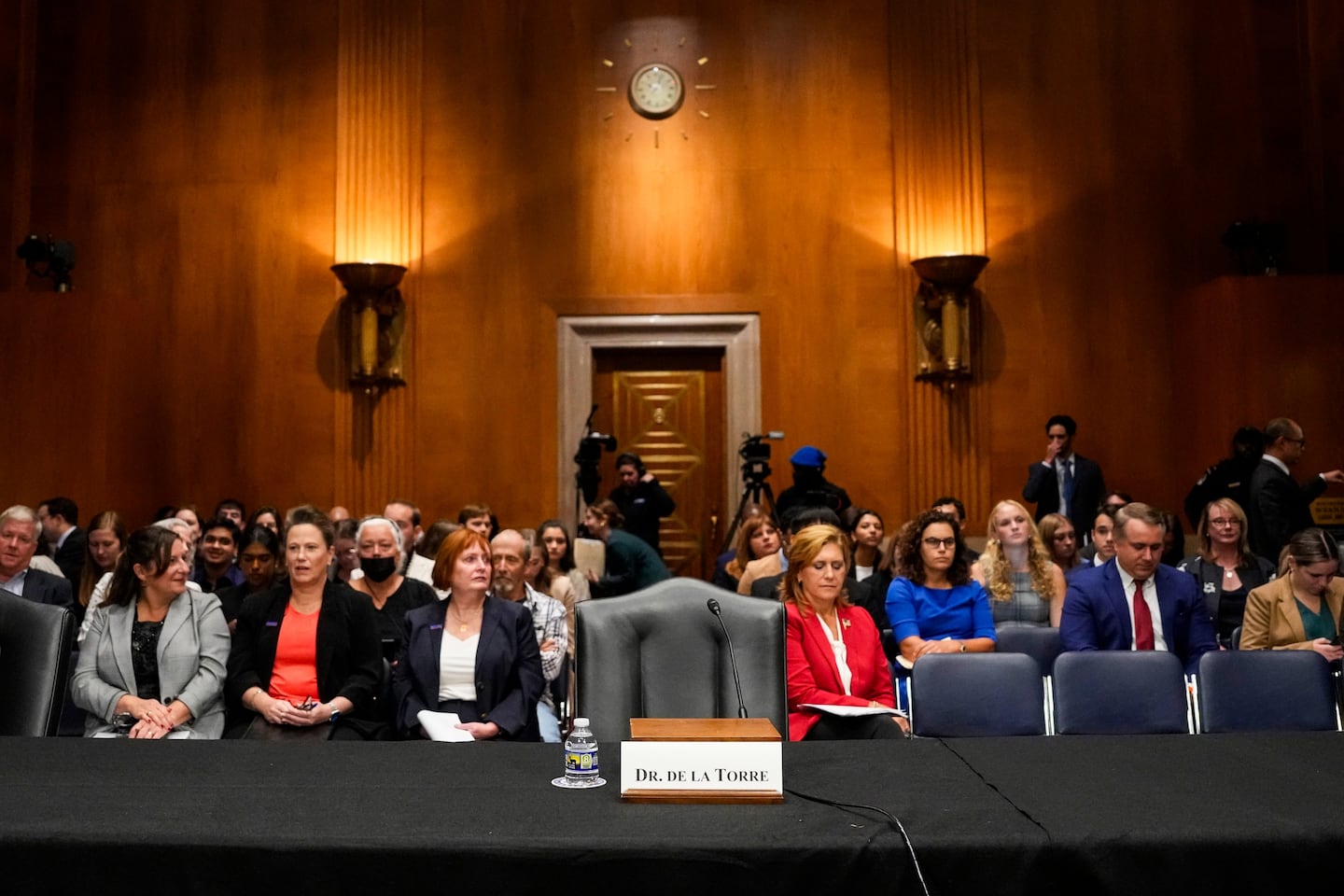 The empty chair of Steward Health Care System chief executive officer, Dr. Ralph de la Torre, who did not show up during the US Senate Committee in 2024.Kayla Bartkowski For The Boston Globe
An agency spokesperson also noted that Steward ignored its repeated demands to maintain adequate malpractice coverage and that it has asked the Texas judge overseeing the ongoing bankruptcy proceedings to step in — warning that TRACO, which still operates out of the lightly regulated jurisdiction of Panama, had “little to no independent capital” to pay claims.
“Doctors and clinicians should not continue to have to pay the price for Steward and Ralph de la Torre’s greed and mismanagement,” the spokesperson said, referring to the company’s former chief executive who had presided over the downfall.
The damage isn’t just to medical providers. Many patients harmed by Steward’s substandard care also face a grim reality: Their legal claims may never have a shot at meaningful redress thanks to TRACO’s collapse.
The demise of TRACO, which once covered 1,400 medical practitioners nationwide, has highlighted a regulatory blind spot, according to health and insurance law experts. Because the insurer is based overseas and is not licensed in Massachusetts, state regulators maintain they were powerless to intervene.
Like many hospital systems, Steward saved money by self-insuring against malpractice claims through a subsidiary, known as a captive insurer. Instead of paying a commercial carrier, Steward promised to cover legal defenses directly for clinicians facing lawsuits and pay settlements up to specified limits — typically capped at $6 million annually per clinician.
A 2024 Globe Spotlight investigation found Steward moved TRACO from the Cayman Islands to Panama in 2019 in part to take advantage of the country’s lax regulations.
Meanwhile, insurance regulators in Massachusetts maintain they were kept in the dark — and had no jurisdiction anyway. Because state law does not require foreign-based captive insurers to be licensed in Massachusetts, they do not need to submit financial statements to the state. As a result, the state Division of Insurance lacked legal authority to monitor TRACO’s solvency or determine if the company could cover claims, the agency said.
“What’s happening with TRACO is catastrophic for everyone involved, and exposes a glaring weakness in our insurance regulatory structure,” said Maria O’Brien, a professor at Boston University School of Law who specializes in insurance and contract law. “The hope that anyone will ever get anything close to compensating them for the harms caused is very remote.”
The wreckage from TRACO’s looting adds to a long toll of misery left in Steward’s wake.
Steward’s debt-fueled rise to become the nation’s largest private for-profit hospital chain generated massive payouts for its top executives and private equity investors, while starving its hospitals of resources. At least 15 Steward patients died after failing to receive professionally accepted standards of care due to equipment or staffing shortages, according to a 2024 Globe Spotlight investigation.
Yet the fallout would surely have been worse if not for frontline staffers, many of whom said they kept working in part because top Steward executives — who also ran TRACO — assured them their malpractice coverage was secure.
Dr. Michael Callum, a former Steward executive vice president who served as TRACO’s president between 2019 and 2024, and Rubén José King-Shaw Jr., current CEO and president of TRACO, told doctors in September 2024 Steward was reserving funds during the bankruptcy to cover new claims and would continue defending old ones. That summer, Callum and Steward hospital executives made similar assurances at a town hall with doctors.
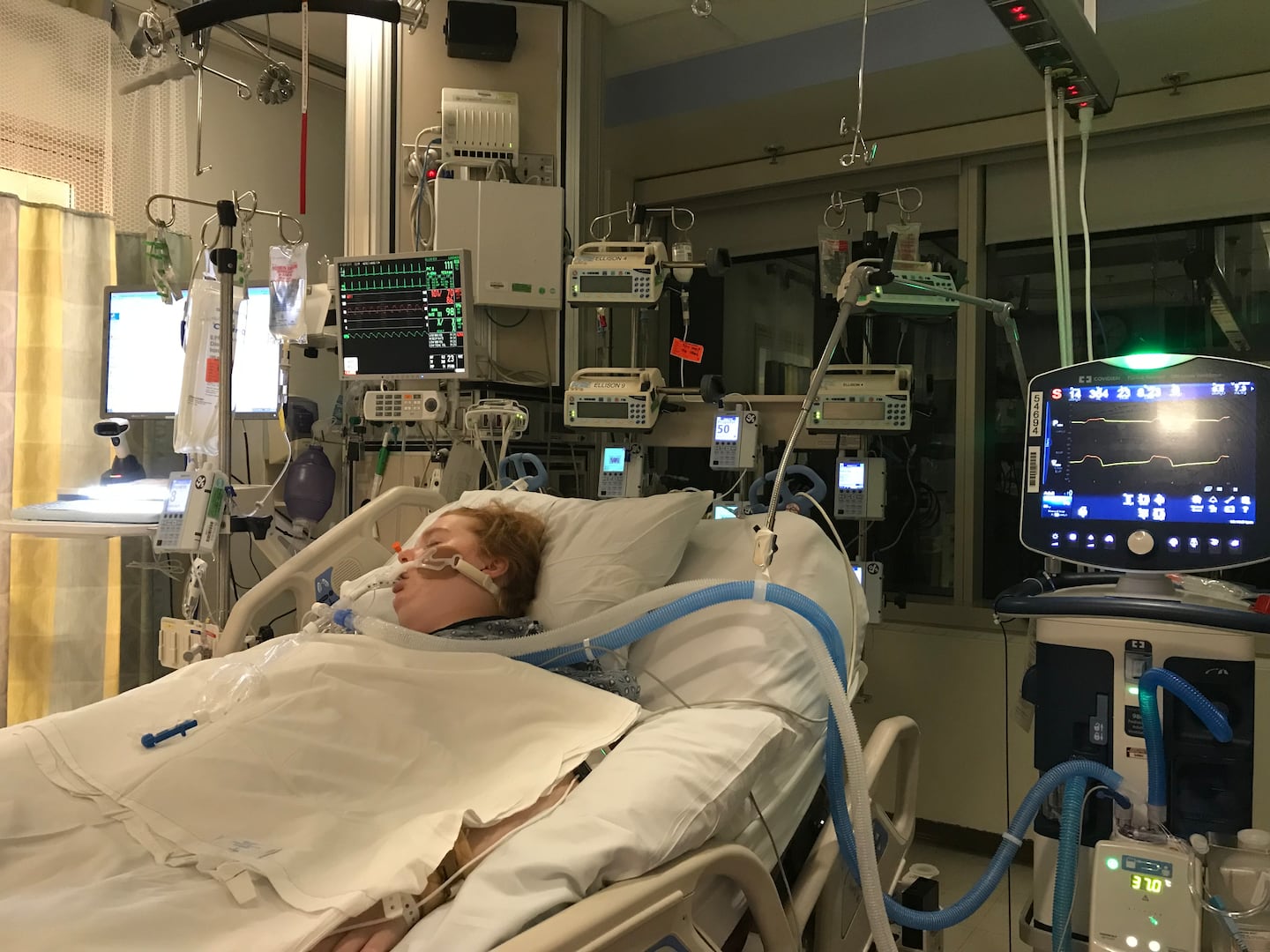 Elizabeth Gardner at a hospital intensive care unit in 2019. Her parents allege she was left permanently disabled by diagnostic failures at Steward’s Morton Hospital in Taunton, though their lawsuit has dragged on without resolution for more than four years.Family photo
In reality, Steward executives had for years been treating TRACO like a piggy bank, removing cash and leaving IOUs behind. As a result, by mid-2024, the insurer had just $3.5 million in cash — a meager sum given it faced over 500 malpractice claims.
King-Shaw and Callum, now treasurer of TRACO, did not respond to requests for comment from the Globe. De la Torre, the disgraced founder and former CEO of Steward, still sits on the insurer’s board along with Callum, who is now affiliated with a concierge men’s health business in Florida. Attempts to reach de la Torre were unsuccessful.
When Steward sold its Massachusetts hospitals in the fall of 2024 to several health care systems, doctors hoped the new owners would provide “tail” coverage for past malpractice claims during their time at Steward. But only one has: Brown University Health, which acquired Saint Anne’s in Fall River and Morton Hospital in Taunton.
Boston Medical Center Health System — which bought St. Elizabeth’s Medical Center and Good Samaritan Medical Center in Brockton — has said it will only provide tail coverage if TRACO is declared insolvent. So far, no official declaration has been made.
Merrimack Health, which bought Steward’s hospitals in Methuen and Haverhill, also declined to cover past claims. “The primary responsibility for, and any resolution of those claims, remains with TRACO with any underfunding concerns addressed through the bankruptcy courts,” the Lawrence-based company said in a statement.
In two recent cases, Massachusetts Superior Court judges have ordered former Steward doctors to personally pay six-figure malpractice settlements that they say TRACO negotiated but failed to fund.
While Dr. Chontelle Degler, an emergency medicine physician who worked at St. Elizabeth’s from 2023 to 2024, has not been sued, she dreads opening her mailbox each day, fearing a lawsuit will be waiting inside.
A tail policy would cost her at least $50,000 a year, which she does not have and refuses to borrow.
“Every day I wonder, will this be the day I get sued? You can be blindsided,” Degler said. “Whatever sacrifices we made — working without adequate supplies and staff — are not being appreciated. We are being left hung out to dry.”
Other ex-Steward physicians say insurers are marking up tail policies because of the defunct health system’s poor safety record. One physician assistant said her tail insurance quote soared from $7,000 a year ago to more than $50,000. In higher-risk specialties such as obstetrics and neurology, quotes have eclipsed $100,000 a year, according to physicians.
The anxiety over lost malpractice protection is driving some former Steward doctors to leave bedside care.
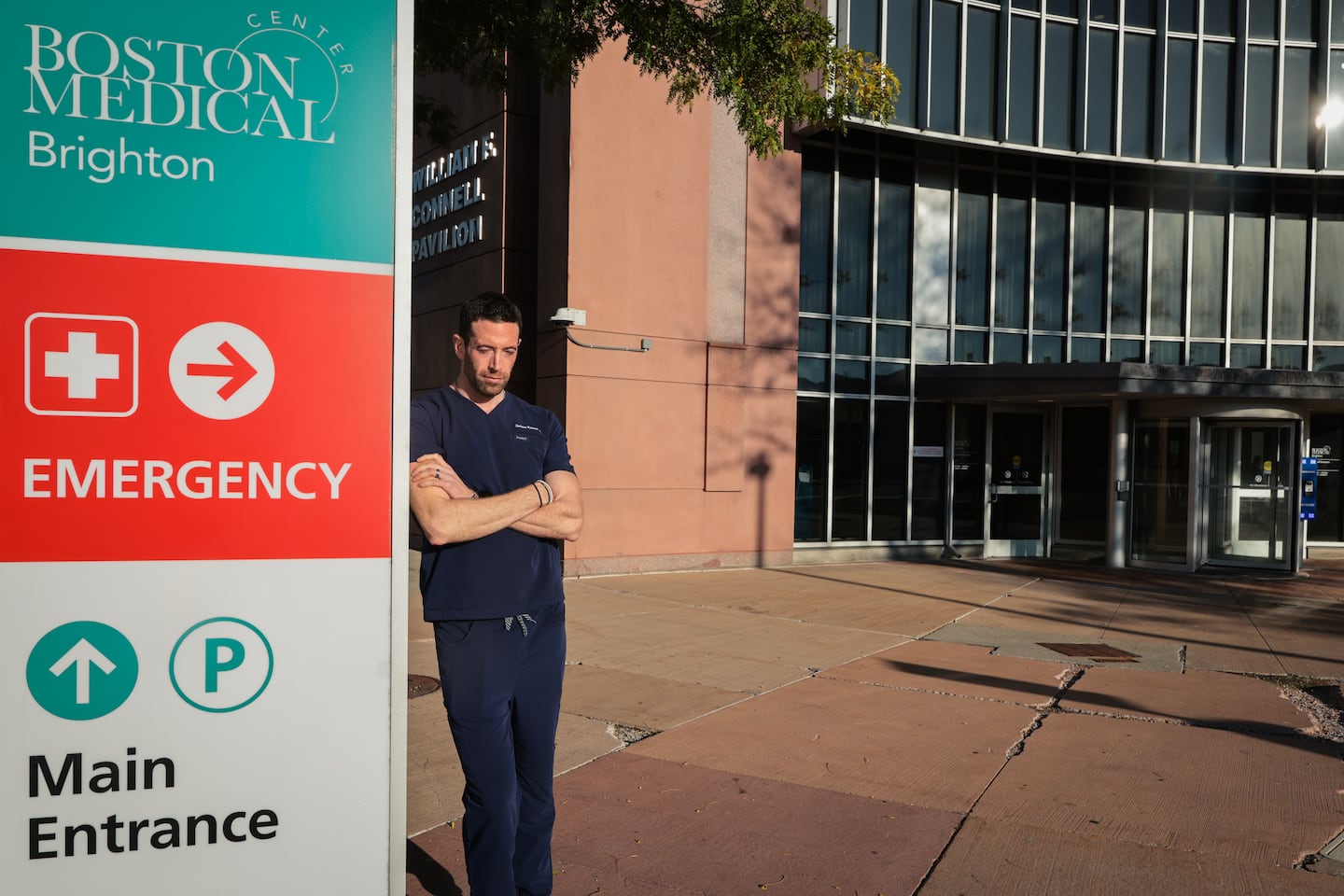 “I worked my butt off to help my community only to learn that I’m on the hook for it,” said Dr. Zachary Kramer. “It’s an awful feeling, like jumping out of a plane without a parachute.”Matthew J. Lee/Globe Staff
Dr. Zachary Kramer, former chief of emergency medicine at St. Elizabeth’s Medical Center and associate chief at Morton Hospital, willingly worked back-to-back shifts during the pandemic. However, learning he was personally liable for past claims left him feeling “used and discarded,” he said. When he looked into tail insurance, he found the cost had jumped to $80,000 from $26,000 in a year.
Disillusioned, Kramer, 42, left clinical practice last month to transition into telehealth. “I worked my butt off to help my community only to learn that I’m on the hook for it,” he said. “It’s an awful feeling, like jumping out of a plane without a parachute.”
Meanwhile, attorneys for former patients are increasingly suing clinicians personally and not naming Steward, betting they have deeper pockets than the bankrupt organization.
In one recent wrongful death suit, involving a woman who suffered a fatal heart attack in 2023 while waiting for care at Good Samaritan Medical Center’s emergency department, Steward and the hospital were not even named as defendants, despite federal health inspectors finding serious safety lapses there. Instead, the lawsuit named only a triage nurse and an emergency physician.
Hundreds of other cases have been put on hold indefinitely.
Among those stuck in legal purgatory are Donna Gardner and Catherine Griffith of Madison, Conn., who allege in a lawsuit that physicians at Morton Hospital failed to properly diagnose their 35-year-old daughter, Elizabeth Gardner, a former social worker, leading to her becoming permanently disabled. The case has dragged on for four years amid multiple delays.
 Rubén José King-Shaw Jr., a former top executive at Steward and president of its in-house insurer, TRACO, was among Steward leaders who assured clinicians that their malpractice coverage was safe. He did not respond to requests for comment.
“We want someone to be held accountable at Steward, but it doesn’t make sense for us … to experience further emotional and psychological distress trying to get money out of an empty well,” said Donna Gardner, a retired pediatric nurse, who is nevertheless pressing forward with the case.
TRACO, for its part, has repeatedly pressed a Texas bankruptcy judge to force Steward to fork over roughly $250 million to settle its IOUs, according to court filings.
Timothy Walsh, an attorney for TRACO, declined to comment on the insurer’s financial condition. The government agency in Panama that regulates captive insurers did not respond to calls and emails from the Globe.
Former Steward physicians argue the Healey administration bears some responsibility for this debacle due to past failures in oversight, and for not securing commitments from buyers of Steward’s hospitals to provide tail coverage. In recent meetings with top aides to Healey and key lawmakers, doctors presented a list of demands, including a state-backed relief fund to cover unresolved malpractice settlements and judgments from their time at Steward.
Should state leaders fail to act, they are weighing more dramatic actions, including a day of action and sit-ins outside the State House.
Chris Serres can be reached at chris.serres@globe.com. Follow him @ChrisSerres.