
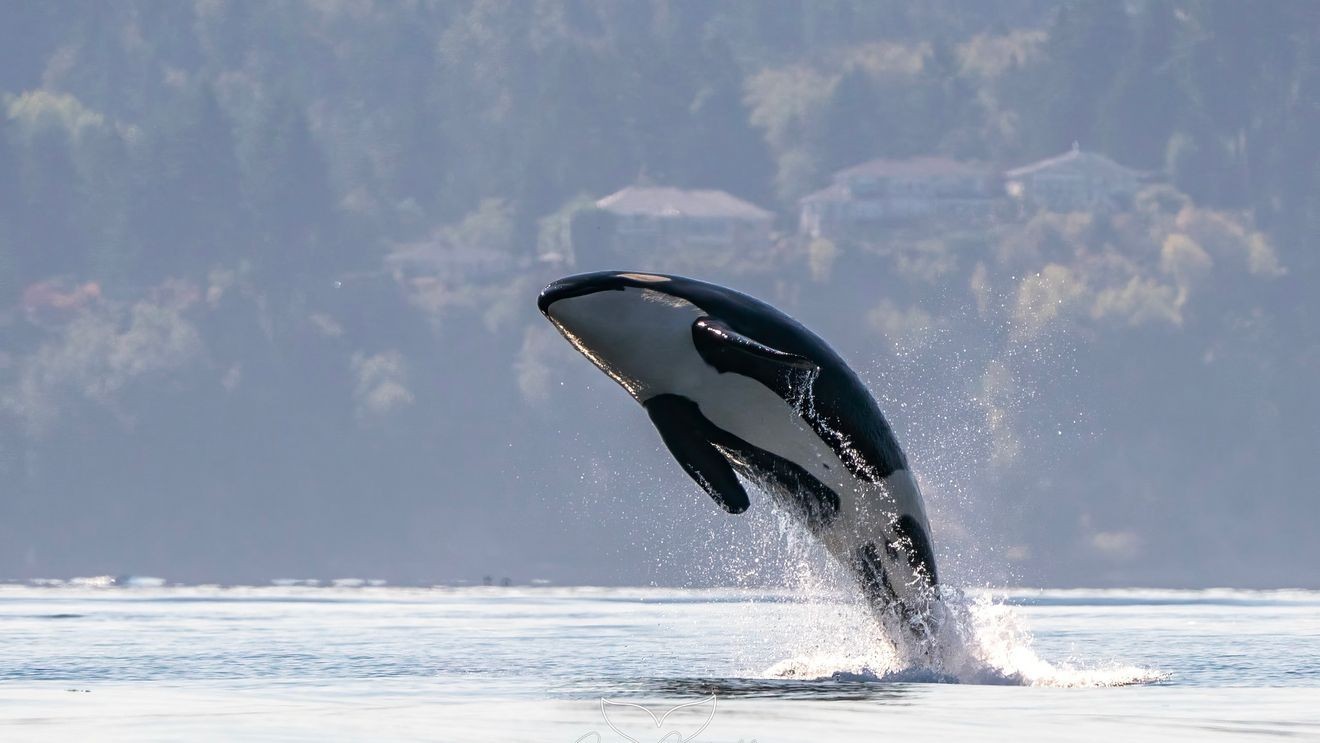
FRIDAY HARBOR, Wash. — The endangered southern resident killer whale population has grown for the second year in a row, offering a bit of encouraging news for the orcas that frequent Puget Sound and the Salish Sea.
The Center for Whale Research (CWR) announced Monday that its annual census counted 76 living southern resident killer whales, an increase of two from the previous year.
Researchers documented four births during the census period, although only two calves survived to the July 1 census date.
PHOTOS: Southern Resident orca whales, 2025-2026
The surviving calves are K47, a female born to K43, and L130, whose mother is L91. Researchers have not yet determined L130’s sex. Both calves appear to be in normal health.
The other two calves did not survive. J64 lived for less than a month, while L129 was photographed during just one encounter.
No other whales died during the census period, according to the CWR.
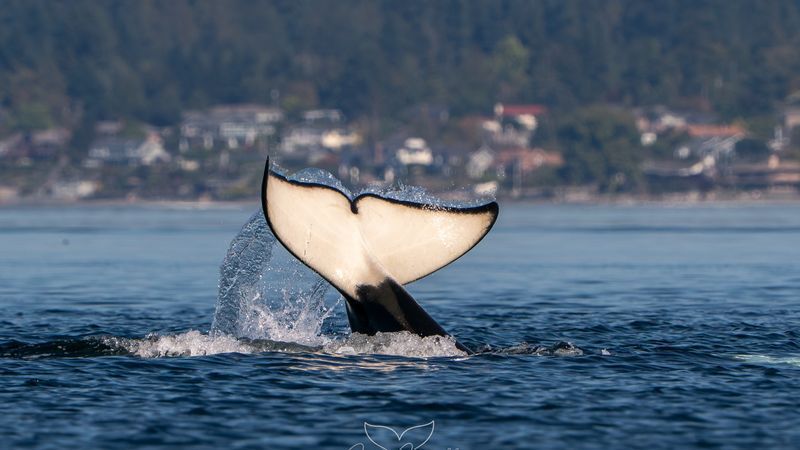
A photo showing the southern resident orcas in the south Sound in September 2025. (Photo: Jami Cantrell Photography via KOMO #SoNorthwest Photography){ }
The latest numbers mark the second consecutive year of population growth. The population increased by one whale between 2024 and 2025.
Despite the recent gains, researchers caution that the population remains far below historical levels and is reproducing more slowly than other killer whale populations.
Past periods of growth have also been followed by longer periods of decline.
Researchers say the whales continue to face several threats, including underwater noise, human disturbance, pollution, and a shortage of Chinook salmon, their primary food source.
“In order for the southern residents to grow consistently, we need to address the threats they’re facing,” said Dr. Michael Weiss, research director at the CWR.
Weiss said restoring Chinook salmon habitat, improving fisheries management and reducing noise and pollution are critical to the whales’ long-term survival.
The CWR has submitted its 2026 census findings to the National Oceanic and Atmospheric Administration.
While the population increase is welcome news, researchers say sustained recovery will require addressing the environmental challenges that continue to threaten the endangered whales.