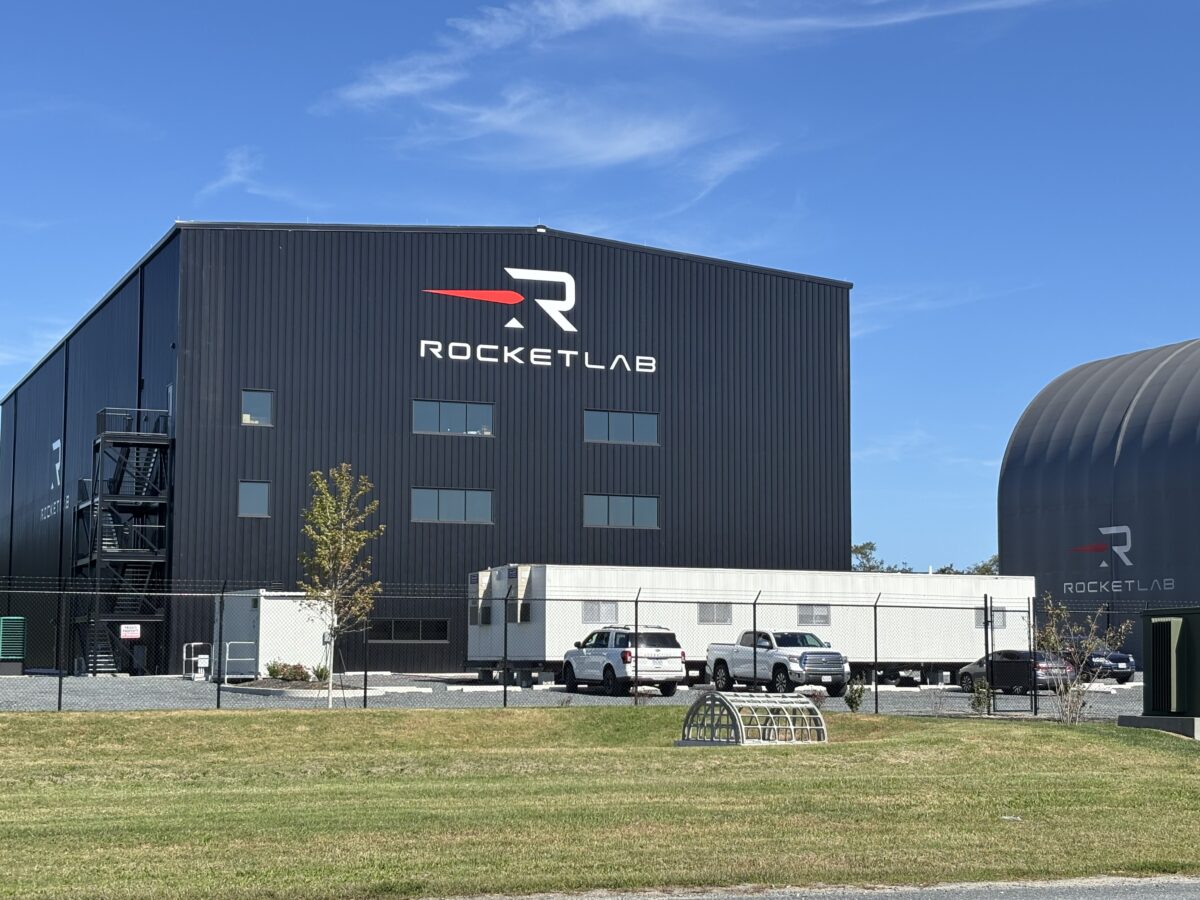
Rocket Lab is delaying the first launch of its Neutron rocket until next year, following the discovery of a manufacturing problem involving one of the rocket’s large carbon-composite fuel tank components.
The announcement comes from Rocket Lab Chief Executive Officer Sir Peter Beck, who says the company is working to correct the problem while continuing preparations for the new rocket’s eventual commercial operations.
The delay is significant for Virginia’s Eastern Shore, where NASA’s Wallops Flight Facility and the Mid-Atlantic Regional Spaceport have become important parts of the nation’s growing commercial space industry.
Rocket Lab plans to launch Neutron from Wallops, providing a new option for putting larger satellites into orbit and expanding the region’s role in commercial spaceflight.

Beck says the problem surfaced during inspections of a newly manufactured forward dome used in the rocket’s first-stage propellant tank. Engineers discovered tiny air pockets, known as voids, within the layers of carbon-composite material.
Those defects can weaken the structure and potentially affect its long-term reliability.
The company traced the problem to changes in the manufacturing process involving thicker sections of composite material. Rocket Lab says it has since modified that process and successfully produced another dome that it describes as the highest-quality composite dome yet manufactured for the program.
A replacement forward dome is now being produced.

Before establishing a new launch date, Rocket Lab must inspect the replacement component, assemble the first-stage structure, and complete a series of pressure and cryogenic tests to demonstrate that the rocket can safely withstand operating conditions.
Beck expects the initial manufacturing and inspection steps to be completed before the first quarter of next year, with first-stage assembly and testing targeted for completion during that quarter. The company says it expects to provide a more specific launch target after those milestones are reached.
The chief executive says Rocket Lab is choosing to prioritize reliability over rushing the rocket to the launch pad. The company is also using the additional development time to advance improvements planned for future Neutron flights.
Neutron is designed to carry larger payloads than Rocket Lab’s existing Electron rocket and is intended to serve commercial satellite operators and government customers.
The company is investing in manufacturing facilities and future vehicles alongside the development of its first rocket, with the goal of supporting a higher launch rate once Neutron enters service.
For the Eastern Shore, the program remains an important development to watch as Rocket Lab works toward bringing another major commercial launch vehicle to Wallops.
While the delay pushes the first flight into next year, the company says it remains confident in Neutron’s long-term potential and plans to provide additional progress reports in the coming months.