
Credit: Far Out / American Talent International / Capitol Records / Public Domain
Sat 17 October 2026 21:00, UK
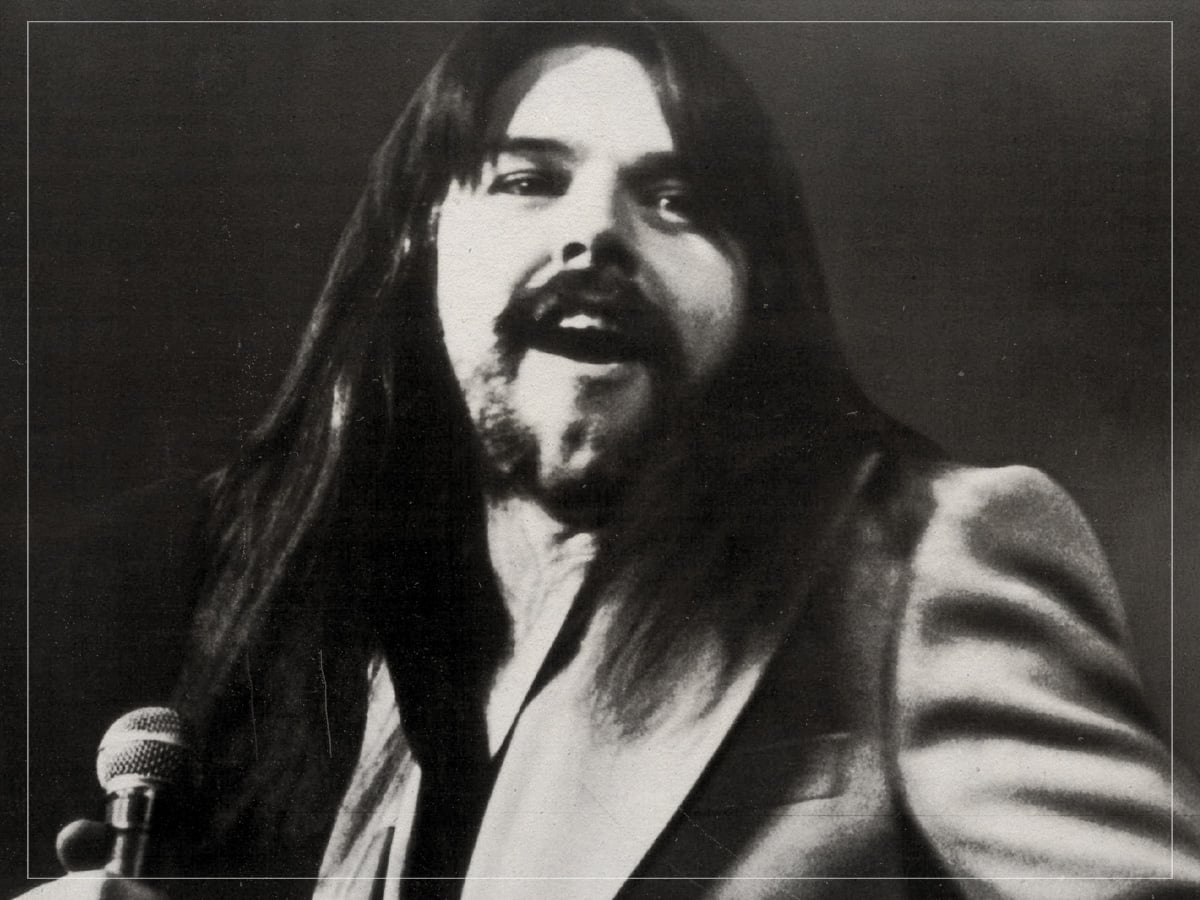
While the likes of Bruce Springsteen and Tom Petty are arguably the most celebrated proponents of the heartland rock sound, one could say that neither of them would have been as popular or successful without the groundwork having been laid down by Bob Seger.
One of the earliest artists to explore the lives of blue-collar workers in the US through the medium of rock music instead of folk, blues or country, Seger was something of a trailblazer who set himself apart from the likes of Bob Dylan and Woody Guthrie and their tales of working-class struggles, but also represented a departure from the traditional rock and roll sound that had been dominant throughout most of the 1950s and 1960s.
His first taste of chart success came in 1968, when the song ‘Ramblin’ Gamblin’ Man’ climbed as high as number 22 on the Billboard Hot 100, and throughout the 1970s, he would continue to worm his way into the charts on numerous occasions, amassing over 50million record sales over the course of his career. However, the song that is arguably his most beloved was never a hit upon its original release in 1972, with it failing to chart anywhere in the world.
Perhaps ‘Turn the Page’, despite being an incredible personal account of life as a touring musician, was never successful in the charts on account of it having only ever appeared on live albums. But its frequent airplay on album-oriented rock radio stations over the years would lead to it becoming not just a classic of his, but also a classic that has been interpreted by the likes of Waylon Jennings, Metallica and Golden Earring.
However, what none of these versions has quite captured is the magic of the saxophone solo that appears at the beginning of Seger’s version, an introduction that stands tall as one of the most instantly arresting of the entire heartland rock genre. But who exactly was responsible for having played this memorable opening?
Who plays the saxophone intro on ‘Turn the Page’?
On the best-known version of the track, which is the live rendition taken from his 1973 album Back in ‘72, Live Bullet, Seger is accompanied by many members of what would become his long-serving Silver Bullet Band, and therefore the saxophone part was played by Alto Reed, the man who served as Seger’s saxophonist for almost half a century.
Rather than being a case of fortunate nominative determinism, Reed was the chosen stage name of Thomas Cartmell, an in-demand session player who, alongside his five decades of work with Seger, contributed to recordings by and performed live with the likes of Grand Funk Railroad, Spencer Davis and Robin Gibb.
Further reading: From The Vault
Despite his impressive résumé”, the opening of ‘Turn the Page’ is perhaps what Reed remains best known for, with it being a fine representation of his ability to conjure up parts with only the smallest amount of direction from the other members of the band. According to accounts from band members, Seger’s manager, Tom Weschler, provided the largest piece of inspiration for the solo, instructing Reed to imagine himself alone in New York City at 3am on a misty, lamplit street, to which his immediate response was to launch into what he felt was the most fitting accompaniment for the song.
The likes of Clarence Clemons and David Sanborn may be seen as more decorated saxophonists in the same field as Reed, but of all his contributions, to Seger’s work and beyond, ‘Turn the Page’ may stand out as being the best saxophone part in the genre’s history.
ADD AS A PREFERRED SOURCE ON GOOGLE  The Far Out Classic Rock Newsletter
All the latest Classic Rock content from the independent voice of culture.
Straight to your inbox.