
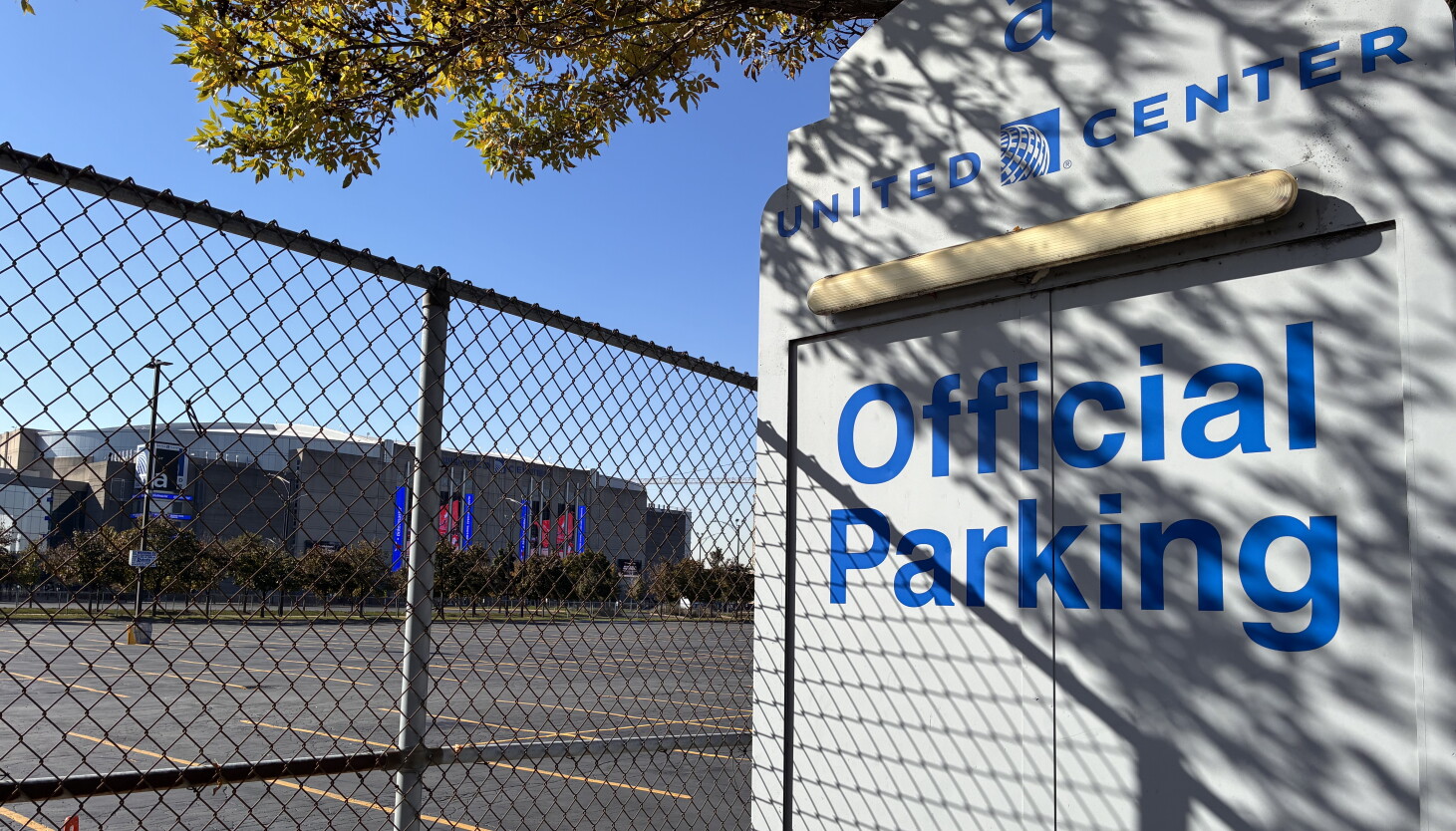
Fans drove to the United Center for the Blackhawks’ home opener Oct. 6 and discovered — amid construction south and west of the arena — what they later described as a nightmarish parking situation.
Some fans who had purchased or received parking passes in advance for specific lots arrived at those lots, only to discover they were already full. They then were redirected by misinformed employees to one lot after another in search of a vacancy.
Other fans waited in line to pay for drive-up parking in familiar lots, only to discover — once they reached the front of the line — that those lots had been converted into prepaid, coupon-only lots. Although that had been mentioned in an advance email, it wasn’t displayed on street-side signs leading up to the lots.
Many affected fans ended up missing part or all of Patrick Kane’s Chicago reintroduction ceremony and the first period of the game. And after the Hawks’ victory, fans exiting the lots and navigating nearby streets encountered heavy congestion and ineffective traffic control.
The Hawks got many complaints, but they don’t control the parking arrangement; the United Center does.
Fans have described a generally smoother experience for the four home games since the opener. Testimonials were largely positive for the game Saturday against the Stars, for example.
But the chaos Oct. 6 has left a bad taste in some fans’ mouths and has made others who heard about it secondhand wary about buying tickets and driving in themselves.
‘‘[Oct. 6] was the first regular-season gameday experience for fans with an earlier start time, new traffic patterns and changes in lot assignments resulting in some arrival disruptions,’’ a spokesperson for the United Center wrote to the Sun-Times.
‘‘We have reassessed our operations and reallocated appropriate resources. We will continue to communicate updates and changes with fans.’’
Weeknights tend to be trickier than weekends because some fans arrive earlier for weekend games. The Hawks’ decision to move weeknight start times up 30 minutes to 7 p.m. — as popular as it was — further condenses fans’ arrival window.
So with a near-capacity crowd expected Friday against the Canadiens, those reassessments and reallocations will be put to the test again. Then Bulls fans will get their first taste of the new arrangement Saturday.
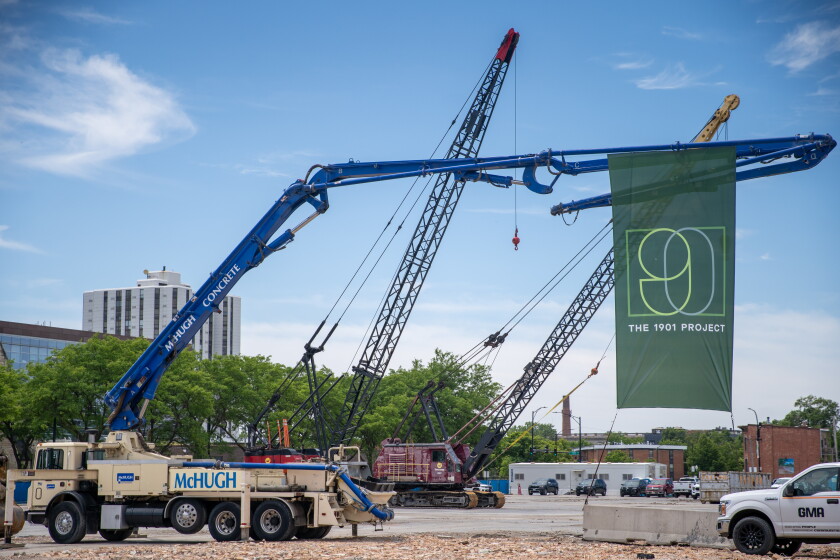
Construction began in June on the first phase of the 1901 Project.
Most of these United Center parking complications stem from construction, as the first phase of the 1901 Project began in June. A 6,000-seat music hall, 180-key hotel, retail space and two parking garages are being built on top of what used to be Lot K and Lot G.
That took more than 1,100 parking spots offline, requiring season-ticket members formerly assigned to those lots to be moved elsewhere.
The United Center prepared for this by acquiring a number of lots a few blocks east or west of the arena that used to be privately owned, which the spokesperson said ‘‘made up for the loss of spots in K and G.’’
The total number of lots near the arena (regardless of ownership) has decreased nonetheless, but total capacity never really has been an issue. Bulls president Michael Reinsdorf said in 2024 that United Center lots typically maxed out around 75% occupancy. City-dwelling fans using public transportation contributes to that.
The capacity of higher-demand lots, however, can be an issue. And then there’s the matter of drive-up parking prices, which have risen by as much as $15 to $30 at some lots.
It’s now much cheaper to purchase parking coupons online in advance (for as little as $20). Many fans don’t know that, however, and have experienced some sticker shock from their car windows. It’s also worth noting advance coupons aren’t publicly available for some closer-in lots.
The United Center spokesperson said parking prices are affected by rising operating expenses and a 35.25% tax rate paid to the city, county and state.