
Follow us
Add us as a preferred source on Google
Newsletter
Subscribe to our newsletter
Some people with depression sleep far more than average, wake up exhausted, habitually stay up late, and experience mood shifts with the seasons. A new study suggests that these symptoms may cluster in a distinct subtype of depression that’s tied to the body’s internal clock.
While research has long linked a scrambled circadian rhythm to a risk of mood disorders, neuroscientists are now proposing that these disruptions define a specific form of depression that they call “circadian depression.” First conceptualized in 2021, the body-clock subtype may affect about 1 in 4 people with severe, recurrent or persistent depression, the researchers estimate.
Latest Videos FromLive Science
You may like
More than just bad sleep
What to read next
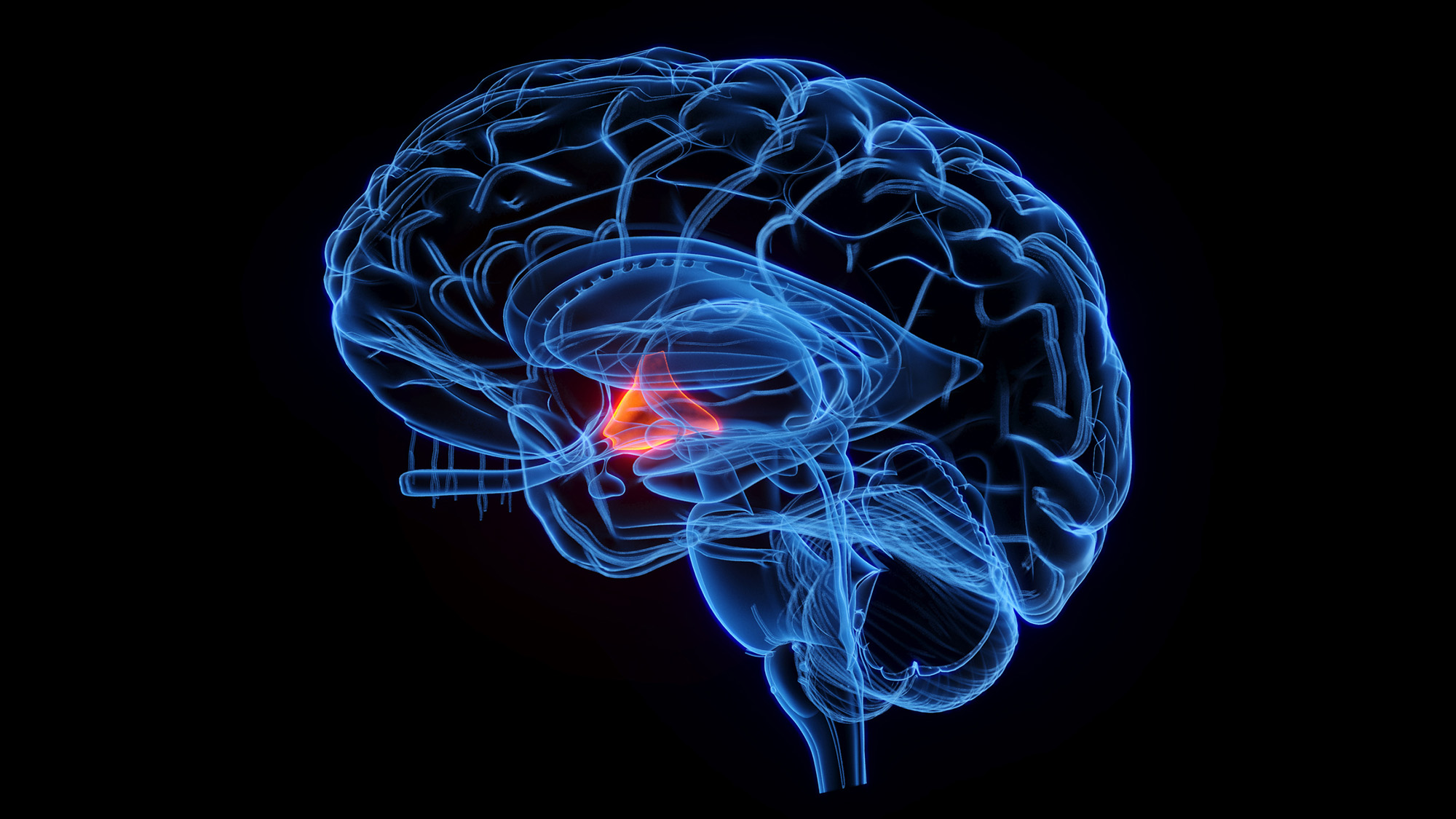
The body’s sleep-wake cycle is largely controlled by a hub of cells within the hypothalamus (red).
(Image credit: SEBASTIAN KAULITZKI/SCIENCE PHOTO LIBRARY via Getty Images)
Could this change depression treatment?
This article is for informational purposes only and is not meant to offer medical advice.
Tonini, E., Crouse, J. J., Shin, M., Carpenter, J. S., Mitchell, B. L., Byrne, E. M., Lind, P. A., Gordon, S. D., Parker, R., Hockey, S. J., To, T., Shim, A., Hill, A., Treneman, A., Scott, E., Scott, J., Merikangas, K. R., Wray, N. R., Martin, N. G., Medland, S. E., & Hickie, I. B. (2026). Clinical and genetic correlates of a circadian subtype of depression in the Australian Genetics of Depression Study. The British Journal of Psychiatry, 1–10. https://doi.org/10.1192/bjp.2026.10798