
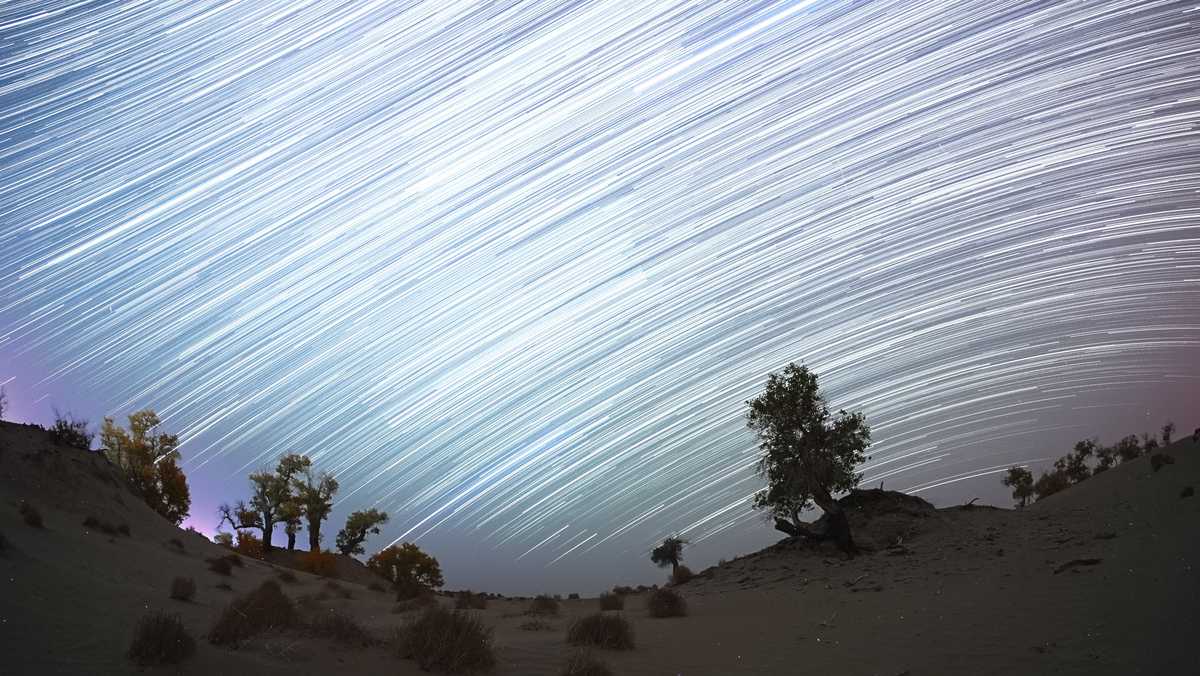

It’s your second chance to see an October meteor shower.
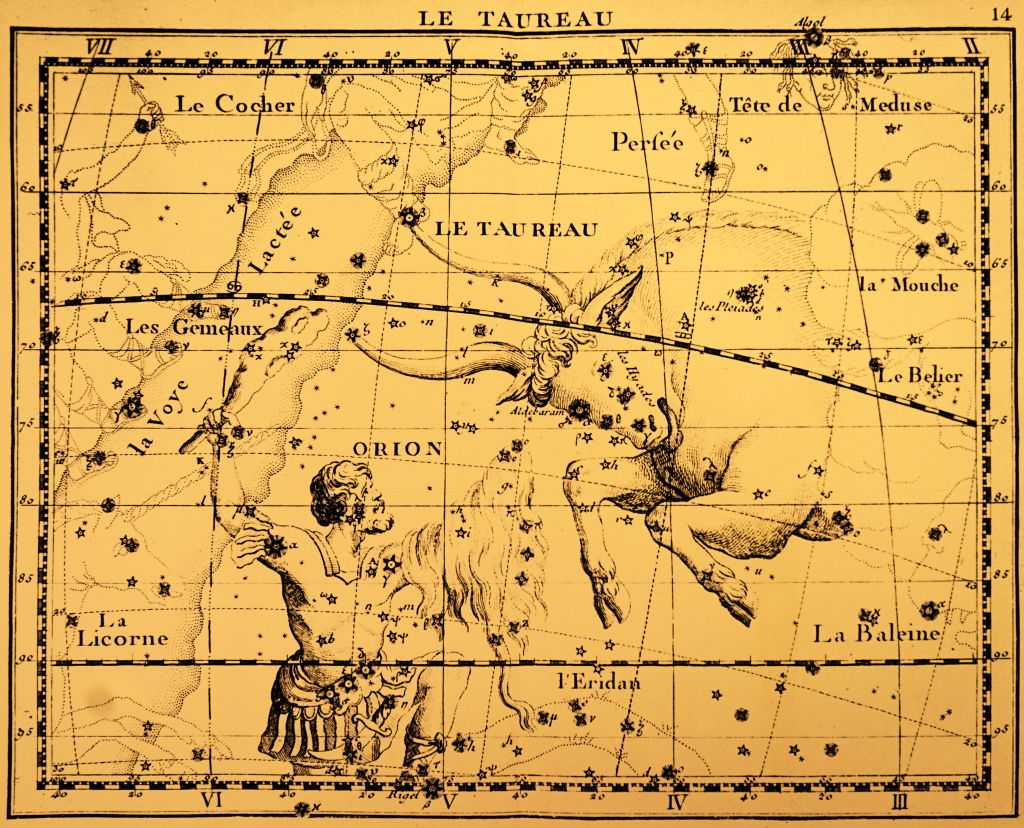
The second annual meteor shower of October, the Orionids, is a fairly dependable meteor shower. The Orionids’ radiant is the constellation Orion, specifically its bright star Betelgeuse. The meteors of the Orionids come from the debris of the comet Halley, which passes near Earth about every 76 years, but delivers two meteor showers to Earth’s atmosphere per year — the Orionids in the fall and the Eta Aquarids in May.
The previous meteor shower in October was the Draconids.
Universal History Archive
Engraving depicting the constellations of Orion and Taurus. Orion is a prominent constellation located on the celestial equator and visible throughout the world.
The Orionids are known to be bright and fast, and the fall weather usually makes for ideal conditions to view them. According to NASA, the Orionids can show up to 20 meteors per hour on a good night, though some showers have been known to reach 60-70 meteors per hour.
The evening and early morning of Oct. 21-22 is just the peak — you may be able to see this shower anytime from Oct. 2 to Nov. 7.
Anadolu
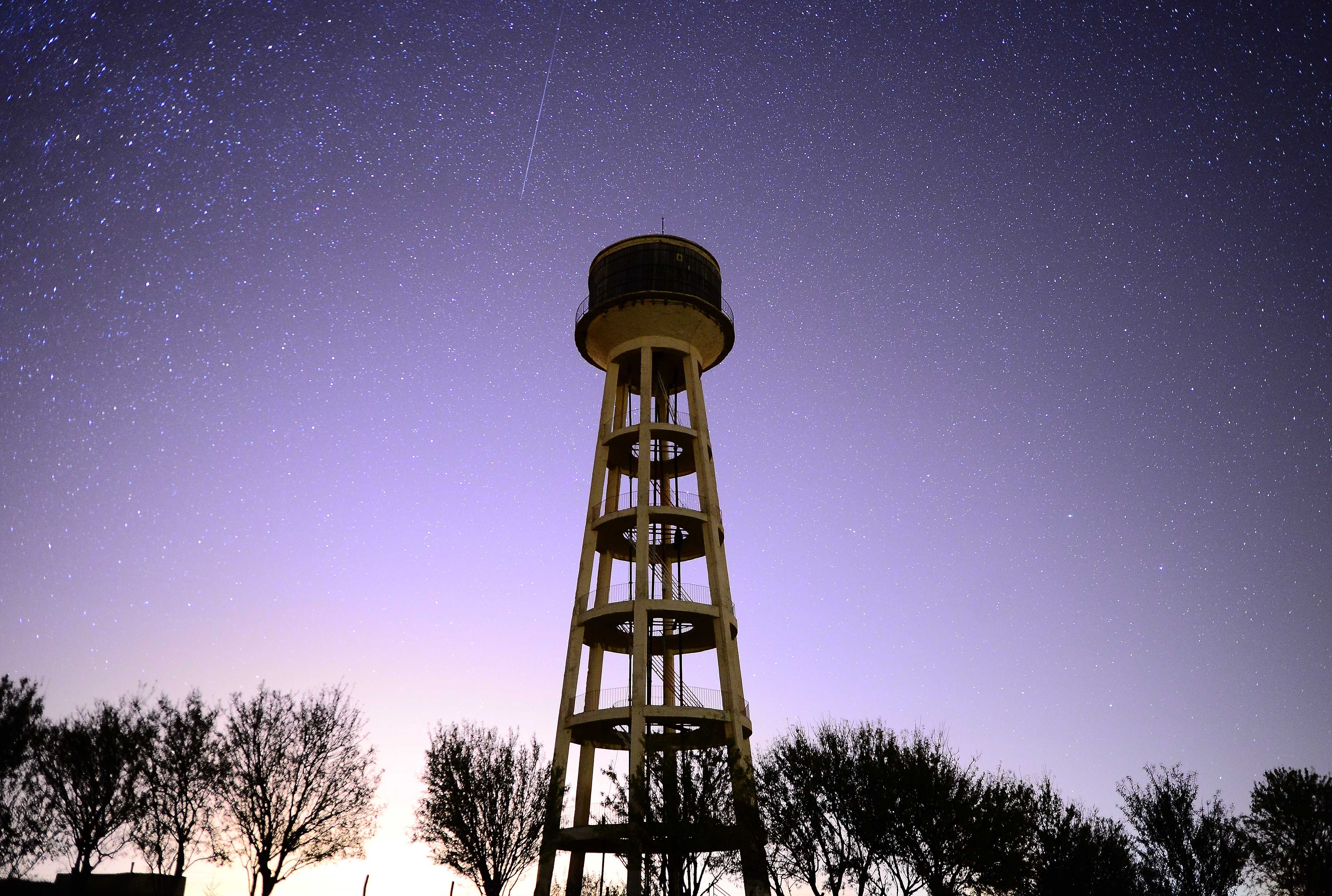
A meteor streaks across the night sky during the Orionid meteor shower in Susuzoren village of Usak, Turkey, on Nov. 08, 2018.
As with any meteor shower, you want to find a spot away from light pollution and allow your eyes to adjust to the night sky. This can usually take about 15-20 minutes.
The shower’s radiant will appear to be Orion’s left arm, in the northeast night sky, just around midnight ET. Best viewing may be between midnight and 2 a.m. ET, or after moonset, which is around 2:30 a.m. ET.
You will want a night of clear weather for the best meteor viewing. Thankfully, conditions this evening look pretty clear. Check your local forecast or check here.
Check your local light pollution here and find a dark sky area near you here.