

Listen to this article
Estimated 2 minutes
The audio version of this article is generated by AI-based technology. Mispronunciations can occur. We are working with our partners to continually review and improve the results.
The El Niño weather pattern could cause a record rise in ocean temperatures in the Pacific as it barrels around the globe like a “wrecking ball” causing floods and droughts, UN officials said on Wednesday.
The new World Meteorological Organization (WMO) seasonal outlook predicted the El Niño event would become extremely strong, with temperatures in the central Pacific rising about 3.8 C above normal between November and January, peaking around December.
“We have not seen in our records 3.8. We have seen around [3 C] in some record El Niños before, with very substantive impacts across the world. So we are beyond that limit,” WMO Secretary-General Celeste Saulo said.
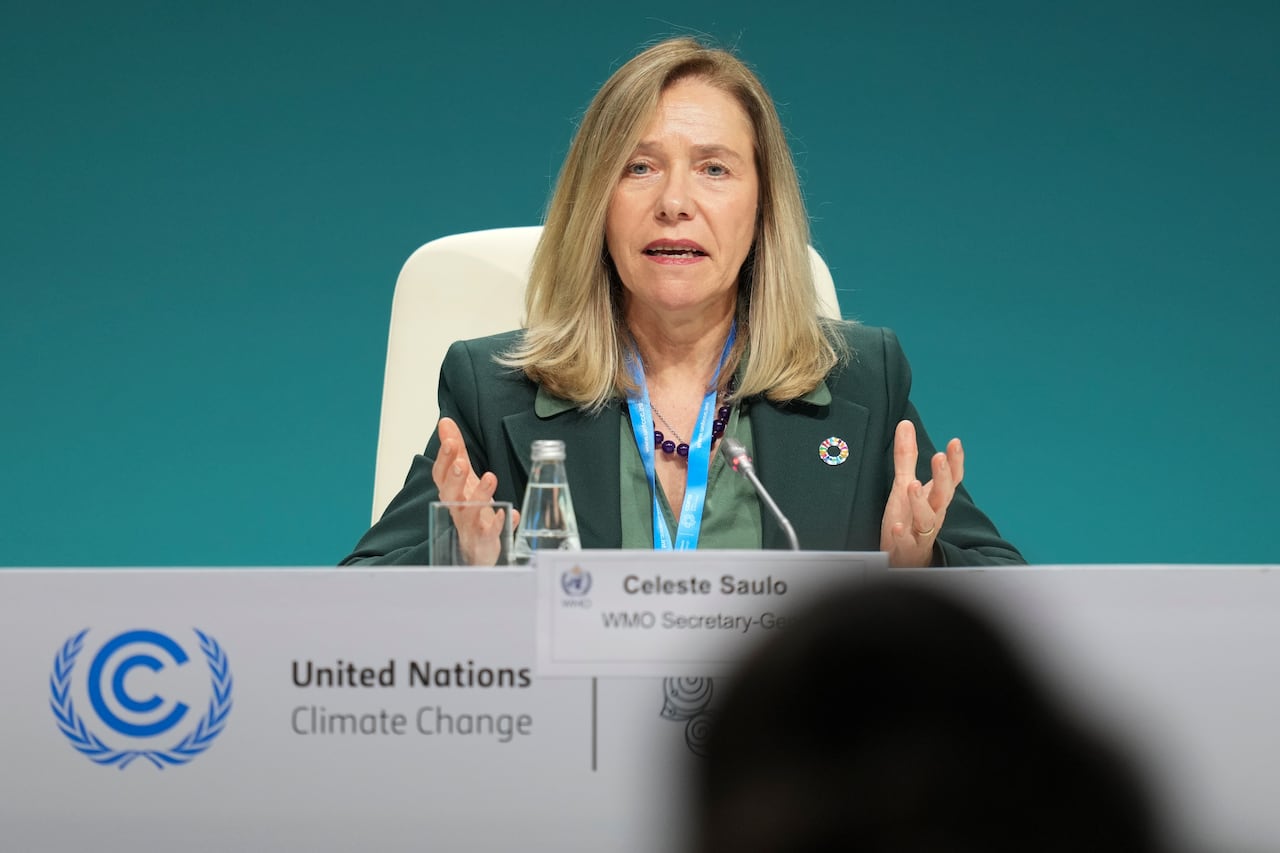
Celeste Saulo, World Meteorological Organization secretary-general, is warning of record temperatures during this El Niño. (Sergei Grits/The Associated Press)
El Niño is the warm phase of the naturally occurring El Niño-Southern Oscillation cycle — a climate pattern that influences weather around the world. It tends to cause higher global temperatures and disrupt rainfall patterns across large regions, meaning drought in some areas and heavy rains in others.
It is a natural climate pattern and is not caused by climate change. However, global warming can make El Niños more intense because the baseline temperature is already higher.
El Niño-linked weather extremes could worsen pressure on housing, water, sanitation and health services, with flooding risks rising in southern Africa from November, the WMO said.
In Southeast Asia, warmer conditions and a lack of rainfall could impact agriculture and water supplies, while Latin America could see increased rainfall, according to the WMO.
The WMO and the UN under-secretary-general for humanitarian affairs and emergency relief coordinator, Tom Fletcher, called for urgent action to get ready.
“This El Niño is the behemoth, it is a wrecking ball. It will tear through Latin America, Eastern and Southern Africa, Asia and the Pacific with extreme heat, droughts and flood,” Fletcher said, warning of massive humanitarian consequences.
Some 50 million people could face increased hunger, he said.
WATCH | Understanding this year’s El Niño: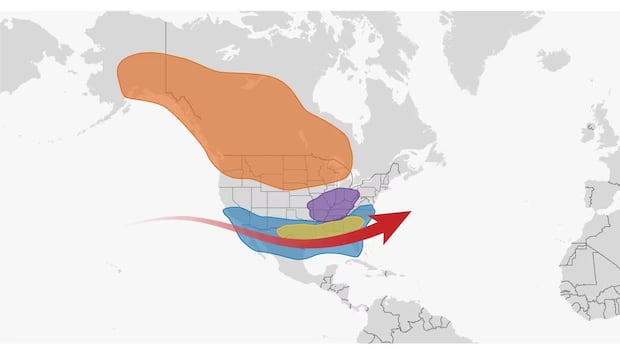
What exactly is a ‘super’ El Niño? And what does it mean for you?
Some climate models predict 2026 will be an El Niño year — and that it’ll be a particularly strong one. CBC’s Nick Logan breaks down what that means, and what Canadians can expect.